
Introduction
Soil is a vital natural resource that supports agriculture and environmental stability. It supplies nutrients, stores water, and provides the foundation needed for plant growth. Unsustainable land use practices such as deforestation, excessive grazing, and poor farming methods can damage soil quality and cause erosion. Soil conservation refers to the practices used to protect soil from degradation, preserve its fertility, and maintain long-term land productivity.
Importance of Soil Conservation
Maintaining healthy soil is necessary for sustainable food production and environmental balance. Soil conservation helps retain nutrients, improves water absorption, minimizes flooding, and increases crop productivity. Proper soil management also promotes biodiversity and ensures that farmland remains useful for future generations.
Causes of Soil Degradation
Soil deterioration can result from several factors, including:
- Strong rainfall and wind erosion
- Clearing of vegetation and forests
- Excessive grazing by animals
- Continuous farming without restoring nutrients
- Inefficient irrigation systems
- Overuse of chemical fertilizers and pesticides
Recognizing these causes allows farmers to apply effective conservation measures.
Soil Conservation Methods
Contour Farming
This technique involves ploughing and planting along the natural contours of the land rather than up and down slopes. It slows water movement, reduces soil loss, and increases water infiltration.
Terracing
Terracing is practiced on sloped land by creating step-like structures that reduce the speed of water runoff and prevent soil erosion.
Crop Rotation
Crop rotation involves planting different crops in sequence on the same field. This improves soil fertility, disrupts pest cycles, and maintains soil structure.
Cover Cropping
Cover crops are grown during periods when the main crops are not cultivated. They protect the soil surface, add organic matter, and improve nutrient content.
Mulching
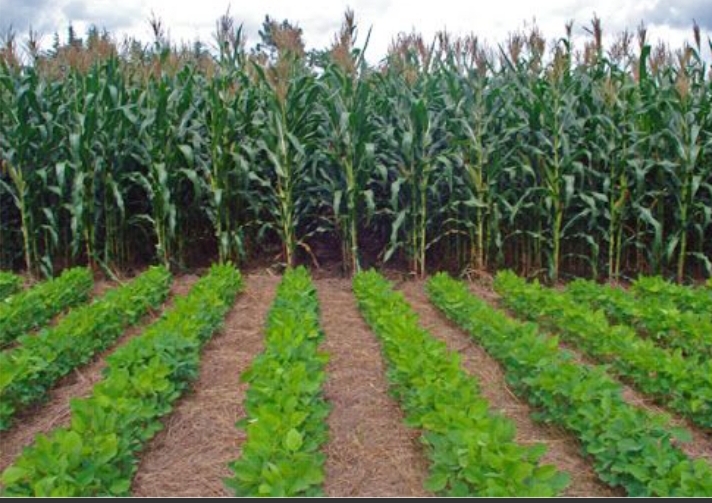
Mulching consists of covering the soil with plant materials such as leaves or crop residues. This helps retain moisture, control weeds, and protect soil from erosion.
Conservation Tillage
This approach reduces the amount of soil disturbance during cultivation. Leaving crop residues on the surface helps protect soil from erosion and enhances soil health.
Agroforestry
Agroforestry integrates trees with crop or livestock farming systems. Trees stabilize the soil, reduce wind impact, and improve fertility through organic matter addition.
Windbreaks and Shelterbelts
Rows of trees or shrubs planted around farms act as barriers against strong winds, helping to reduce soil loss, especially in dry or open areas.
Efficient Irrigation Practices
Proper irrigation management prevents soil erosion and waterlogging. Methods such as drip irrigation help conserve water while maintaining soil structure.
Benefits of Soil Conservation
Adopting soil conservation practices results in:
- Enhanced soil fertility
- Higher crop yields
- Reduced erosion and land degradation
- Improved water conservation
- Greater environmental sustainability
Challenges in Soil Conservation
Some obstacles to soil conservation include limited awareness, financial constraints, and lack of access to improved farming technologies. Climate change and increasing population pressure also contribute to soil degradation.
Conclusion
Soil conservation is essential for sustainable agriculture and environmental protection. Practices such as contour farming, mulching, crop rotation, and agroforestry help preserve soil quality and prevent erosion. Protecting soil resources today ensures continued agricultural productivity and ecological balance in the future.