
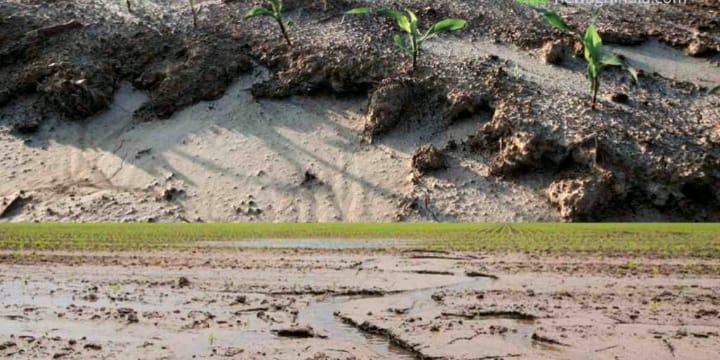
Soil is essential for agriculture and ecosystem health. It nurtures plant growth, maintains water quality, and helps regulate climate. Unfortunately, soil is vulnerable to erosion a natural process worsened by human activities. Erosion removes fertile topsoil, leading to decreased crop yields and environmental damage.
Understanding Soil Erosion
Soil erosion refers to the removal of the upper layer of soil by natural elements like water, wind, or ice, as well as by human actions such as deforestation, overgrazing, and poor farming techniques. Since the topsoil contains most nutrients needed for plants, its loss can have lasting effects on food production and environmental stability.
Main Types of Soil Erosion
Water Erosion – caused by rainfall, rivers, or surface runoff, including:
Sheet Erosion – gradual removal of a thin layer of soil.
Rill Erosion – formation of small channels on slopes.
Gully Erosion – deep channels that can make land unusable.
Wind Erosion – occurs in dry regions when strong winds blow loose soil away.
Tillage Erosion – results from frequent plowing or improper land management, moving soil downslope.
Causes of Soil Erosion
Deforestation – tree removal leaves soil exposed to elements.
Overgrazing – livestock consume vegetation faster than it can grow back.
Unsustainable Farming – continuous cropping, monoculture, and poor irrigation practices.
Urban Expansion – construction and land clearing disturb the soil.
Climate Factors – extreme rainfall or drought intensifies erosion.
Consequences of Soil Erosion
Nutrient Loss – removal of fertile soil lowers crop productivity.
Water Contamination – eroded soil can pollute rivers and lakes.
Land Degradation – formation of gullies and barren areas reduces usable land.
Desertification – prolonged erosion can turn fertile areas into deserts.
Methods for Soil Conservation
Protecting soil requires a mix of vegetative, structural, and farming strategies:
Vegetative Approaches
Tree Planting – forests reduce runoff and wind impact.
Cover Crops – plants like clover protect soil between main crops.
Grass Barriers – grass along slopes slows water flow and traps sediment.
Structural Techniques
Terracing – creating steps on hillsides to reduce runoff speed.
Contour Farming – plowing along natural land contours prevents soil wash-off.
Check Dams – small barriers in gullies slow water and capture soil.
Agricultural Practices
Crop Rotation – alternating crops to maintain soil fertility.
Minimal Tillage – limiting soil disturbance preserves structure.
Mulching – covering soil with organic material reduces erosion and water loss.
Conclusion
Soil erosion is a serious challenge affecting agriculture, water quality, and ecosystems. Adopting effective soil conservation measures ensures land remains productive and ecosystems stay balanced. Combining modern farming techniques with reforestation, sustainable practices, and public awareness can help protect this critical resource for future generations.