
Introduction
Soil is a vital natural resource that supports plant growth, agriculture, and ecosystems. Different soils have different properties, meaning they are not equally suitable for all crops or land uses. Soil testing and analysis is the scientific examination of soil to determine its composition, fertility level, and suitability for specific purposes. This process enables farmers, engineers, and environmental scientists to make informed decisions that promote productivity and sustainable land management.
Meaning of Soil Testing
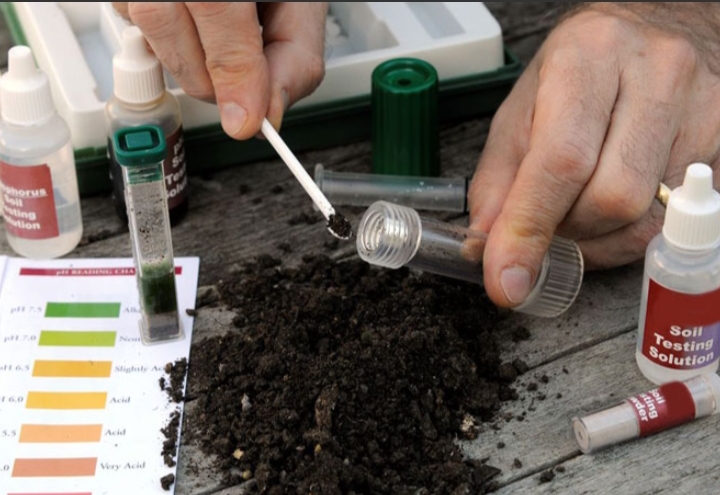
Soil testing involves collecting soil samples and examining them in a laboratory to evaluate their physical, chemical, and biological characteristics. The purpose is to understand soil conditions and identify factors that may influence plant growth or land performance.
Soil analysis provides information about:
- Availability of nutrients
- Soil acidity or alkalinity
- Organic matter content
- Soil texture and structure
- Possible contaminants
Importance of Soil Testing
Improves Crop Yield
Identifying nutrient deficiencies allows farmers to apply appropriate fertilizers, resulting in healthier crops and higher productivity.
Prevents Excess Fertilizer Use
Proper testing helps avoid unnecessary fertilizer application, reducing costs and environmental pollution.
Maintains Soil Quality
Regular soil analysis helps monitor soil health and prevents long-term degradation.
Protects the Environment
Testing can reveal harmful substances such as heavy metals or chemical residues that may affect ecosystems.
Assists Land Use Decisions
Engineers and planners rely on soil analysis to determine land suitability for construction and irrigation projects.
Types of Soil Analysis
Physical Analysis
This focuses on soil’s physical characteristics, including:
- Texture (proportions of sand, silt, and clay)
- Structure
- Porosity
- Water retention capacity
- Bulk density
These properties affect drainage, aeration, and root development.
Chemical Analysis
Chemical testing measures:
- Soil pH level
- Macronutrients such as nitrogen, phosphorus, and potassium
- Secondary nutrients including calcium, magnesium, and sulfur
- Micronutrients like iron, zinc, copper, and manganese
These elements determine soil fertility and nutrient availability.
Biological Analysis
Biological analysis examines soil organisms such as bacteria, fungi, and earthworms that contribute to nutrient cycling and organic matter decomposition.
Soil Sampling Procedure
Accurate soil analysis depends on correct sampling techniques:
- Divide the land into uniform sections.
- Remove surface materials such as leaves or stones.
- Collect soil from multiple locations within the area.
- Take samples from a depth of approximately 15–20 cm for crop production.
- Mix collected samples thoroughly to create a composite sample.
- Air-dry the sample and place it in a clean container.
- Label properly before laboratory submission.
Common Soil Testing Methods
- pH testing: Determines whether soil is acidic or alkaline.
- Nutrient analysis: Measures essential plant nutrients through chemical methods.
- Texture testing: Identifies the proportion of sand, silt, and clay particles.
- Electrical conductivity testing: Assesses soil salinity levels.
- Organic matter testing: Estimates decomposed plant and animal material in soil.
Applications of Soil Testing
Soil testing is applied in several areas:
- Agriculture for fertilizer recommendations and crop selection
- Environmental monitoring and pollution assessment
- Construction for foundation evaluation
- Landscaping and gardening management
- Forestry and sustainable land use planning
Benefits of Regular Soil Analysis
- Increased agricultural productivity
- Reduced input costs
- Efficient nutrient management
- Environmental protection
- Sustainable soil conservation
Challenges in Soil Testing
Some limitations associated with soil testing include:
- Limited access to laboratories in certain regions
- Incorrect sampling methods leading to unreliable results
- Low awareness among farmers
- Financial constraints
Conclusion
Soil testing and analysis are essential practices for effective land management and sustainable agriculture. Understanding soil characteristics helps improve productivity, protect environmental quality, and ensure responsible use of land resources. Regular soil evaluation supports long-term soil health and contributes to food security and environmental sustainability.