
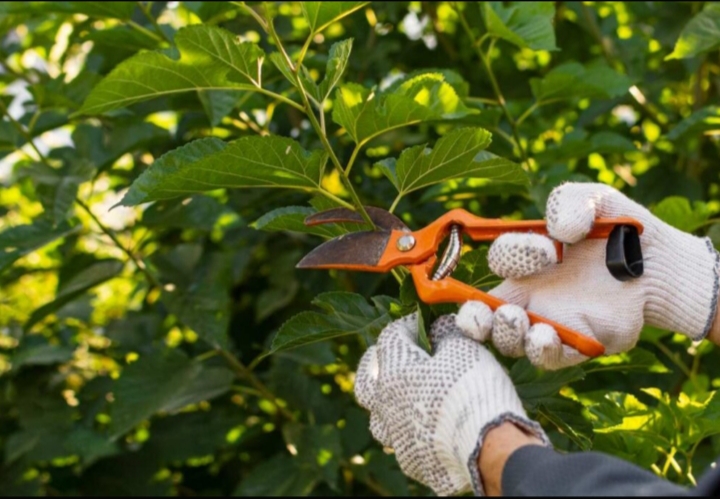
Achieving a healthy and productive vegetable garden requires more than just good soil, water, and sunlight. Effective pruning and training techniques play a crucial role in boosting growth, increasing yield, and preventing diseases. Knowing how and when to prune or train vegetables is important for both home gardeners and commercial growers.
1. Importance of Pruning and Training
Pruning involves selectively removing parts of a plant, such as leaves, stems, or roots, to encourage better growth. Training guides plants to grow in a desired direction or shape using supports like stakes, cages, or trellises. Together, these practices:
- Enhance air circulation and light exposure.
- Reduce risks of pests and diseases.
- Improve fruit size and quality.
- Simplify harvesting.
- Promote stronger, more productive plants.
2. Common Pruning Techniques
Different vegetables need different pruning methods:
a. Pinching or Topping:
- Often used for herbs like basil or vegetables like tomatoes.
- Removing the growing tip encourages bushier growth and more lateral branches.
b. Thinning:
- Eliminates overcrowded or weak stems.
- Reduces competition for nutrients, light, and water.
c. Suckering:
- Common for tomatoes.
- Removes shoots from leaf axils to channel energy toward main stems and fruit.
d. Deadheading:
- In crops such as peppers or eggplants, removing spent flowers stimulates new blooms and fruit formation.
e. Leaf Pruning:
- Trimming old or diseased leaves in cucumbers, melons, and other crops improves airflow and lowers fungal risks.
3. Training Techniques for Vegetables
a. Staking:
- Supports vertical growth for tomatoes, peppers, and peas.
- Keeps fruits off the ground, reducing rot and pest problems.
- Common materials include bamboo, wood, or metal stakes.
b. Trellising:
- Ideal for climbing crops like beans, cucumbers, and squash.
- Vertical growth saves space and improves yield.
- Can use strings, nets, or lattice frameworks.
c. Caging:
- Tomato cages or similar structures keep plants upright and contained.
- Makes maintenance and harvesting easier.
d. Espalier and Horizontal Training:
- Guides crops such as melons along horizontal or vertical planes.
- Maximizes sunlight exposure and air circulation.
4. Timing and Frequency
- Early growth: Remove weak seedlings and thin overcrowded plants.
- Vegetative stage: Pinch or top plants to encourage lateral growth.
- Flowering stage: Focus on removing unproductive shoots and guiding vines.
- Fruit development: Maintain plant structure, trim diseased leaves, and ensure adequate support for heavy fruits.
5. Practical Tips
- Always use clean, sharp tools to prevent infections.
- Observe plant growth carefully and adjust pruning as needed.
- Avoid over-pruning, which can stress plants.
- Apply mulch and water after pruning to reduce shock.
- Combine pruning with proper fertilization and pest control for best results.
Conclusion
Pruning and training are key to nurturing healthy, productive vegetable plants. By using appropriate techniques for each crop, gardeners can enjoy stronger plants, higher yields, and easier maintenance. With careful attention and consistent care, these practices can transform your vegetable garden into a highly rewarding venture.