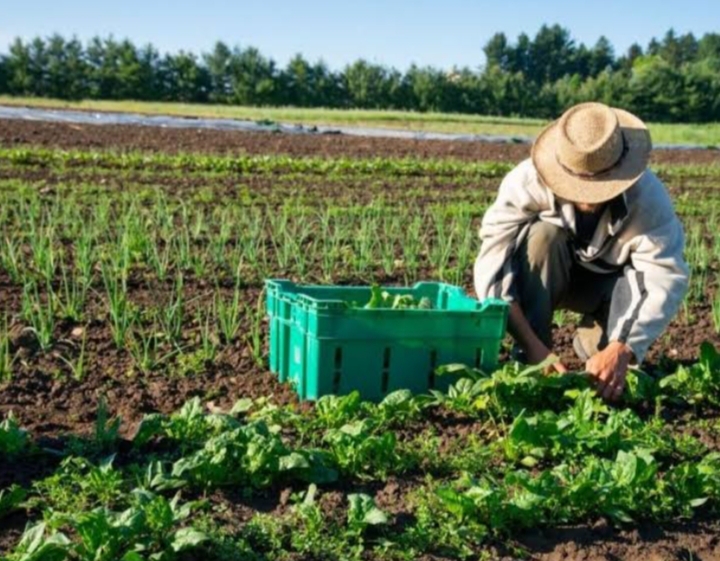
Organic agro farming is becoming increasingly popular as farmers and consumers alike embrace sustainable and eco-friendly agricultural practices. Unlike conventional methods, organic farming relies on natural processes, promotes soil health, and maintains environmental balance. For anyone venturing into this field, familiarity with essential terms is crucial. These foundational concepts help farmers apply organic principles effectively.
A – Agroecology
Agroecology focuses on farming in harmony with nature. It emphasizes the interaction between crops, animals, humans, and the environment to create a balanced and productive system while preserving natural resources.
B – Biodiversity
Biodiversity refers to the wide range of living organisms within a farm, including plants, animals, insects, and microbes. Greater diversity improves resilience against pests, diseases, and environmental changes.
C – Composting
Composting involves converting organic waste, such as plant residues and animal manure, into nutrient-rich material that enhances soil fertility and structure.
D – Drip Irrigation
Drip irrigation is an efficient watering method that delivers water directly to the roots of plants, minimizing waste and ensuring consistent moisture levels.
E – Ecological Balance
Ecological balance means maintaining harmony among all components of the farming environment, including soil, water, plants, and beneficial organisms.
F – Soil Fertility Management
This refers to maintaining and improving soil nutrients through natural methods like compost application, green manure, and crop rotation.
G – Green Manure
Green manure involves growing specific crops that are later incorporated into the soil to improve its nutrient content and structure.
H – Humus
Humus is the rich, organic portion of soil formed from decomposed materials. It plays a vital role in retaining moisture and nutrients.
I – Integrated Pest Management (IPM)
IPM is an eco-friendly approach to controlling pests using biological methods, resistant crops, and proper farm practices instead of harmful chemicals.
J – Organic Certification
Organic certification verifies that farm products meet established organic standards, helping farmers gain consumer trust and access better markets.
K – Soil Knowledge
Understanding soil properties such as pH, texture, and nutrient levels helps farmers make informed decisions to maintain productivity.
L – Livestock Integration
Incorporating livestock into farming systems allows for natural fertilization through manure and promotes efficient resource use.
M – Mulching
Mulching involves covering the soil with organic materials to conserve moisture, control weeds, and regulate temperature.
N – Natural Inputs
Organic farming depends on natural substances like compost, biofertilizers, and plant-based pesticides instead of synthetic chemicals.
O – Organic Matter
Organic matter consists of decomposed plant and animal materials that improve soil structure, fertility, and water retention.
P – Permaculture
Permaculture is a sustainable farming design approach that mimics natural ecosystems to create self-sufficient agricultural systems.
Q – Quality Assurance
Ensuring product quality involves proper handling, storage, and adherence to organic standards to maintain market value.
R – Crop Rotation
Crop rotation is the practice of growing different crops in sequence on the same land to maintain soil health and reduce pests.
S – Sustainable Agriculture
Sustainability focuses on using farming practices that protect the environment while meeting current and future food needs.
T – Traceability
Traceability enables tracking the origin and production process of farm products, ensuring transparency for consumers.
U – Biofertilizer Use
Biofertilizers contain beneficial microorganisms that enhance soil fertility and promote plant growth naturally.
V – Vermicomposting
Vermicomposting uses earthworms to convert organic waste into nutrient-rich compost that improves soil quality.
W – Water Management
Efficient use and conservation of water through methods like rainwater harvesting and drip systems are essential in organic farming.
X – Xeriscaping
Xeriscaping involves designing farms or gardens with drought-resistant plants to reduce water consumption.
Y – Yield Optimization
In organic farming, yield management focuses on achieving a balance between quality and quantity using natural methods.
Z – Zero Waste Farming
Zero waste farming aims to recycle all farm by-products, creating a system where nothing is wasted and resources are fully utilized.
Conclusion
Understanding these key concepts provides a strong foundation for successful organic farming. By applying these principles, farmers can build sustainable, productive systems that benefit both the environment and future generations.