
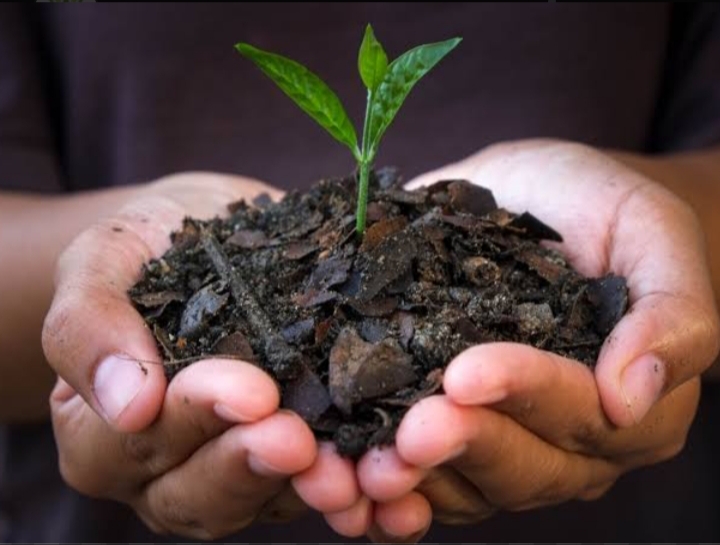
Achieving sustainable agricultural production is vital for meeting the food demands of a growing population while conserving environmental resources. One innovative approach gaining global attention is the use of biochar. Biochar is a stable, carbon-rich substance produced by heating organic materials such as crop residues, wood waste, or animal manure in a low-oxygen environment through a process called pyrolysis. In addition to its environmental advantages, biochar significantly improves soil fertility, boosts crop yields, and supports long-term soil sustainability.
Understanding Biochar
Biochar is formed when biomass is exposed to high temperatures with limited oxygen, which converts it into a stable form of carbon. Unlike fresh organic matter that decomposes quickly, biochar persists in soil for decades or even centuries.
The practice of enriching soil with charred materials dates back thousands of years. Indigenous communities in the Amazon Basin created fertile dark soils known as Terra Preta by incorporating charcoal, organic waste, and other materials into the soil. These soils remain highly productive today, demonstrating the lasting benefits of biochar application.
Ways Biochar Enhances Soil Fertility
Biochar improves soil quality through a combination of physical, chemical, and biological processes.
- Improvement of Soil Structure
Because of its porous nature and large surface area, biochar enhances soil aggregation and aeration. This results in:
- Easier root development
- Improved water movement through soil
- Reduced soil compaction
In sandy soils, it increases water-holding capacity, while in clay soils, it promotes better drainage and reduces excess moisture retention.
- Increased Water-Holding Capacity
Biochar’s sponge-like structure enables it to retain significant amounts of water within its pores. This stored moisture becomes available to plants during dry conditions, making biochar particularly useful in arid and drought-prone regions.
- Better Nutrient Retention
With its high cation exchange capacity (CEC), biochar can attract and hold essential nutrients such as potassium, calcium, magnesium, and ammonium. This reduces nutrient leaching, improves fertilizer efficiency, and ensures nutrients remain accessible to plants for longer periods.
- Support for Soil Microbial Life
Biochar provides a favorable habitat for beneficial soil microorganisms. These organisms contribute to nutrient cycling, decomposition of organic matter, and nitrogen fixation. By encouraging microbial activity, biochar strengthens soil biological health and resilience.
- Regulation of Soil Acidity
Many types of biochar are alkaline and can help neutralize acidic soils. By increasing soil pH, biochar enhances nutrient availability and reduces harmful effects of aluminum toxicity, which is common in highly weathered tropical soils.
Environmental Advantages
1.Beyond improving soil fertility, biochar offers additional environmental benefits:
2.Long-term carbon storage, helping mitigate climate change
3.Reduction in greenhouse gas emissions from soils
4.Productive use of agricultural and forestry waste materials
These advantages make biochar an important component of sustainable land management systems.
Limitations and Considerations
Although biochar has many benefits, its effectiveness depends on factors such as feedstock type, production temperature, soil characteristics, climate conditions, and application rates. Improper use or excessive application may temporarily affect nutrient availability. Therefore, proper research and site-specific management practices are necessary.
Biochar is a valuable amendment for enhancing soil fertility and promoting sustainable agriculture. By improving soil structure, increasing water and nutrient retention, supporting beneficial microorganisms, and stabilizing carbon, it contributes to both short-term productivity and long-term soil health. Inspired by traditional systems such as Terra Preta, modern agriculture can adopt biochar to develop resilient soils, strengthen food security, and address environmental challenges.