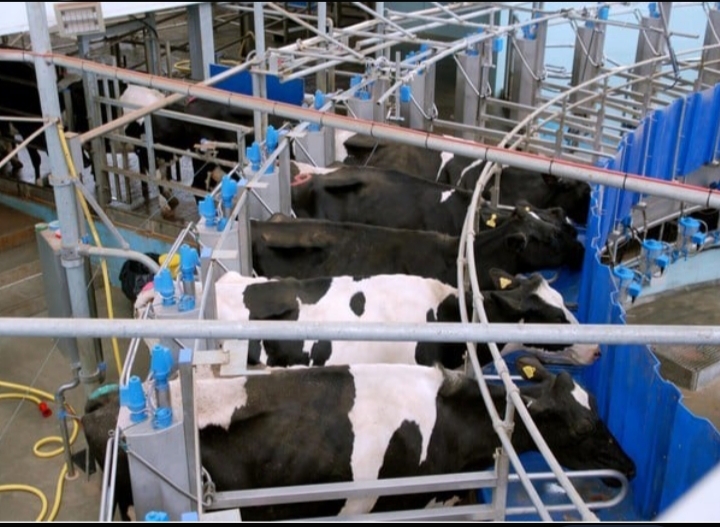
Climate change is one of the most urgent challenges facing the world today, impacting ecosystems, economies, and public health. Agriculture, particularly dairy farming, is especially vulnerable to these environmental shifts. Dairy milk production, a crucial part of the global food system, is directly affected by climate-related changes. Rising temperatures, erratic weather patterns, and extreme events all present serious risks to milk production, potentially threatening food security and the livelihoods of millions of farmers.
Climate Variability and Dairy Farming
Dairy farming depends on consistent weather patterns for the health and productivity of cows, the quality of pastures, and the availability of water. As climate change alters these factors, it introduces unpredictability and challenges that farmers must navigate to maintain milk production.
- Heat Stress on Cows
Heat stress is one of the most immediate effects of climate change on dairy farming. Cows are highly sensitive to heat, and extreme temperatures can lead to a significant decrease in milk production. When cows experience heat stress, their body temperature rises, which reduces their appetite and overall metabolic efficiency, directly impacting milk yield. Additionally, prolonged heat stress can affect their reproductive health, further reducing the long-term productivity of dairy herds.
In regions with consistently high temperatures, cows become more susceptible to diseases, adding extra costs for farmers and leading to lower-quality milk. Managing heat stress is becoming an increasingly difficult challenge for dairy farmers.
- Fluctuations in Feed Availability and Quality
Shifting weather patterns, such as irregular rainfall and prolonged droughts, affect the growth of essential forage crops like alfalfa, clover, and silage. When these crops fail to grow as expected, the availability and nutritional quality of feed diminish, which can result in reduced milk production. Farmers may face higher feed costs as they struggle to find alternative sources of nutrition for their herds.
Furthermore, higher temperatures can degrade the protein and fiber content of forage crops, leading to lower-quality feed. This reduction in nutritional value can affect cows’ digestion and health, further reducing milk output.
- Water Shortages
Water is a critical resource for dairy farming, not only for cows to drink but also for growing the crops that feed them. Climate change is exacerbating water scarcity in many regions through more frequent droughts and unpredictable rainfall. Reduced water availability directly affects both livestock and crop production.
Farmers may face escalating costs for water access or be forced to relocate their operations to areas with more reliable water sources. Water shortages could also lead to increased competition for this vital resource, creating economic and social strain in farming communities.
- Increased Extreme Weather Events
Climate change is linked to more frequent and intense extreme weather events, including storms, floods, and wildfires, all of which can damage dairy farms. Flooding can destroy infrastructure, including barns and milking facilities, while also washing away crops and contaminating water sources. Wildfires can devastate pasturelands and create air pollution that harms cow health.
Extreme weather also disrupts supply chains, making it harder for farmers to access the necessary resources, such as feed, water, and veterinary services, required to sustain their herds. These disruptions can lead to substantial financial losses for dairy producers.
Economic Implications of Climate Change on Dairy Production
The consequences of climate change on milk production are not just environmental but also economic. Lower milk yields caused by heat stress, poor-quality feed, and water shortages lead to increased costs for farmers. If these challenges persist, many small and medium sized dairy farms may struggle to stay afloat, while larger, more resource-rich operations may thrive, resulting in a consolidation of the dairy industry.
This shift could have widespread social and economic implications, especially in rural areas where dairy farming is a primary source of income. If smaller farms are forced out of business, it could exacerbate rural poverty and food insecurity. Additionally, the resulting disruptions in dairy production could affect global milk prices, influencing food affordability worldwide.
Regional Variations in the Impact
While climate change affects the dairy industry globally, the severity of its impact varies by region. In countries with less access to resources or infrastructure, such as parts of Africa and Asia, climate change may exacerbate existing challenges, making it even harder for small-scale dairy farmers to survive. On the other hand, more developed countries with stronger dairy industries, such as the United States, the European Union, and New Zealand, may be better equipped to adapt, but they still face significant disruptions and losses in productivity.
Even in regions with the resources to mitigate the effects of climate change, the dairy sector faces pressures. Increased costs for feed, water, and cooling systems, as well as rising insurance premiums for extreme weather events, are all contributing to higher operational costs.
Adaptation and Mitigation Strategies for Dairy Farmers
To cope with the challenges posed by climate change, dairy farmers must adopt both adaptation and mitigation strategies.
- Improved Animal Management
Farmers can invest in technologies and practices to manage heat stress and improve cow health. Cooling systems, such as fans and misters, can help lower cows’ body temperatures during hot periods, while adjusting feeding schedules can ensure cows get the nutrients they need. Breeding programs focused on heat-tolerant breeds may also help reduce the impact of high temperatures on milk production.
- Sustainable Feed and Water Practices
Dairy farmers should prioritize water efficiency and sustainable feed management practices. This could include using drought-resistant crops, optimizing irrigation methods, and recycling water to reduce overall consumption. Finding alternative, climate-resilient feed sources will also be important in ensuring a stable food supply for cows, especially as traditional forage crops become less reliable.
- Diversification and Technological Innovation
Diversifying farming practices can help spread risks and improve resilience to climate related disruptions. For example, integrating livestock with crop production or adopting agroforestry practices can create more diverse and resilient farm systems. Additionally, utilizing precision agriculture, which uses data and automation to optimize farming practices, can help improve efficiency and minimize the environmental footprint of dairy production.
- Policy Support and Innovation
Government policies that support research into climate resilient farming practices and provide financial support to farmers during extreme weather events are essential. Public private partnerships and international cooperation will be crucial to help farmers implement adaptive strategies. Efforts to support sustainable practices and invest in new technologies will help dairy farmers stay competitive and resilient in the face of climate change.
Moreover, Climate change poses a significant threat to global dairy milk production, with rising temperatures, water shortages, and extreme weather events all impacting dairy farming. These challenges not only threaten milk yields but also pose economic risks to farmers, especially those in vulnerable regions. As dairy farmers face increasing difficulties, adopting sustainable practices and technologies, along with adequate policy support, will be essential to ensuring the long-term viability of the dairy industry.
By addressing the environmental and economic challenges posed by climate change, the dairy sector can mitigate the impact on milk production and ensure a stable food supply for future generations. The need for climate adaptation in dairy farming is urgent, and efforts must be made at local, national, and global levels to safeguard the future of this critical industry