
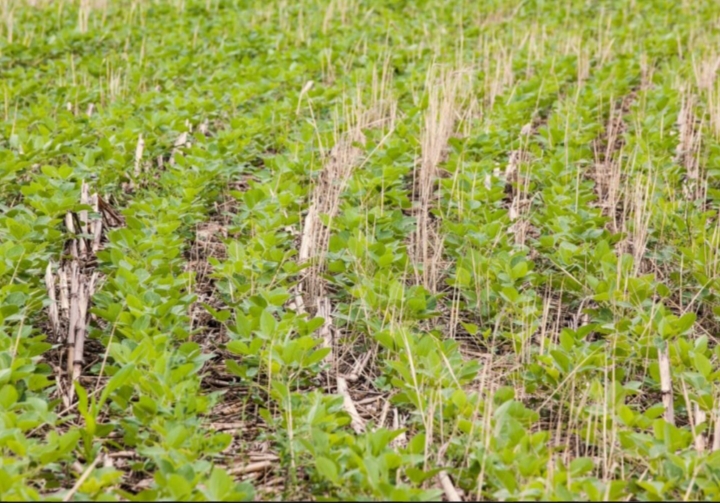
Healthy soil is essential for productive agriculture, yet it can easily become degraded due to constant cultivation, heavy rainfall, and strong winds. One effective and environmentally friendly method farmers use to protect and improve soil is the planting of cover crops. These crops are grown mainly to benefit the soil rather than to be harvested. By shielding the soil and enriching its nutrients, cover crops play a key role in sustainable farming practices.
Understanding Cover Crops
Cover crops are plants cultivated during periods when farmland might otherwise remain bare between growing seasons. Farmers plant them to protect the soil surface, maintain soil structure, and enhance overall soil quality. Examples of common cover crops include grasses, legumes, and certain flowering plants. They are usually planted after the main crop is harvested and are later removed or mixed into the soil before the next crop is planted.
Enhancing Soil Fertility
A major advantage of cover crops is their ability to improve soil fertility. Their root systems help break up compacted soil, allowing water and air to circulate more effectively. Some cover crops, particularly legumes, work together with soil bacteria to add nitrogen naturally through a process known as Nitrogen fixation. This natural enrichment reduces the need for chemical fertilizers.
As these plants grow and eventually decompose, they contribute organic matter to the soil. This organic material improves soil structure, increases water retention, and supports beneficial microorganisms that help maintain soil health.
Preventing Soil Erosion
Soil erosion happens when wind or water removes the nutrient-rich top layer of soil. Cover crops act as a protective barrier that shields the soil from these forces. Their foliage softens the impact of raindrops, while their roots anchor the soil firmly in place.
This plant cover also slows the movement of water across the land during rainfall, allowing more moisture to soak into the ground rather than carrying soil away.
Environmental Advantages
Cover crops provide several environmental benefits beyond soil protection. They help control weeds by competing for resources such as sunlight, nutrients, and water. Some varieties can also reduce pest and disease problems by disrupting pest life cycles.
Additionally, cover crops help capture and store carbon in the soil, contributing to efforts that address climate change and promote sustainable agricultural systems.
Benefits for Farmers
Although planting cover crops requires extra effort and planning, they often provide economic benefits over time. Improved soil fertility can lead to higher crop productivity, while reduced reliance on fertilizers lowers production costs. Stronger soil structure also helps farmland better withstand drought conditions and heavy rainfall.
Cover crops are an important component of sustainable agriculture. By enriching soil nutrients, preventing erosion, and supporting environmental health, they offer long term benefits for both farmers and the planet. As more farmers adopt sustainable farming methods, the use of cover crops will continue to play a vital role in protecting soil and ensuring productive agriculture for the future.