
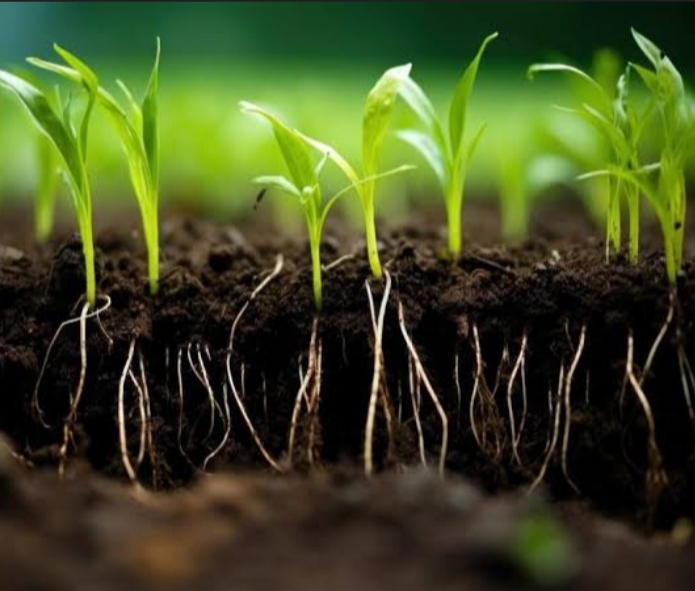
As agriculture faces increasing pressure to produce more food sustainably, attention has turned to natural biological systems that support plant growth. Among the most important of these are mycorrhizae—beneficial fungi that form close associations with plant roots. These underground partnerships significantly improve nutrient absorption, strengthen plant resilience, and promote healthier soils, ultimately contributing to higher crop yields.
Understanding Mycorrhizae
Mycorrhizae are mutually beneficial relationships between soil fungi and plant roots. In this symbiosis, plants supply the fungi with sugars generated through photosynthesis. In exchange, the fungi assist plants in absorbing water and essential nutrients from the soil.
There are two main types:
1.Arbuscular mycorrhizae (AMF): These fungi enter root cells and form specialized structures that facilitate nutrient exchange. They are common in most agricultural crops such as wheat, maize, rice, and soybeans.
2.Ectomycorrhizae: These fungi surround root surfaces and are typically associated with forest trees rather than field crops.
In farming systems, arbuscular mycorrhizal fungi are particularly significant.
Greater Nutrient Availability
One of the primary benefits of mycorrhizal fungi is improved nutrient acquisition. Their thread-like structures, called hyphae, extend deep and wide into the soil, effectively enlarging the plant’s root system.
Phosphorus Efficiency
Phosphorus is vital for plant development but is often difficult for roots to access due to its limited movement in soil. Mycorrhizal fungi are highly effective at locating and transporting phosphorus to plants, especially in soils where this nutrient is scarce.
Uptake of Micronutrients
These fungi also aid in the absorption of trace elements such as zinc, iron, and copper, supporting healthier plant growth and potentially enhancing the nutritional value of harvested crops.
Better Water Use and Drought Resistance
Mycorrhizal associations help plants draw water from small soil spaces that roots alone cannot reach. This expanded network improves moisture absorption and increases water-use efficiency.
Consequently, plants linked with mycorrhizae often demonstrate:
Increased tolerance to drought
Reduced stress during dry conditions
More stable growth in challenging climates
Such benefits are especially valuable in regions affected by irregular rainfall and climate change.
Enhanced Protection Against Diseases
Mycorrhizal fungi can also help defend plants against certain soil-borne pathogens. They contribute by:
Competing with harmful organisms
Strengthening root tissues
Activating natural defense mechanisms within the plant
This protective effect may reduce dependence on chemical pesticides and support healthier crop systems.
Improvement of Soil Quality
Beyond plant nutrition, mycorrhizae play an important role in maintaining soil structure. They produce substances that bind soil particles together, leading to improved aggregation.
Healthy soil structure promotes:
Better air circulation
Increased water infiltration
Reduced erosion
Greater long-term fertility
These improvements contribute to sustainable agricultural productivity over time.
Influence on Crop Yields
Research has shown that crops benefiting from strong mycorrhizal partnerships often achieve higher yields, particularly under nutrient-limited or stressful conditions. Yield gains are more noticeable when fertilizer use is moderate and soil biodiversity is maintained.
However, factors such as excessive tillage, high phosphorus applications, and certain agrochemicals may limit the effectiveness of mycorrhizal colonization.
Role in Sustainable Farming Systems
Mycorrhizae are central to many sustainable and regenerative farming practices. Farmers can encourage their development through:
Reduced soil disturbance
Crop rotation
Cover cropping
Lower chemical inputs
Application of commercial mycorrhizal inoculants
By supporting these natural fungal networks, farmers can enhance productivity while reducing environmental impacts.
Conclusion
Mycorrhizae offer a powerful, nature-based approach to increasing crop yields and strengthening agricultural systems. Through improved nutrient uptake, enhanced drought tolerance, disease suppression, and better soil structure, these fungi help create resilient and productive farming environments. As agriculture shifts toward more sustainable methods, integrating mycorrhizal management strategies may become essential for meeting global food demands while preserving soil health.