
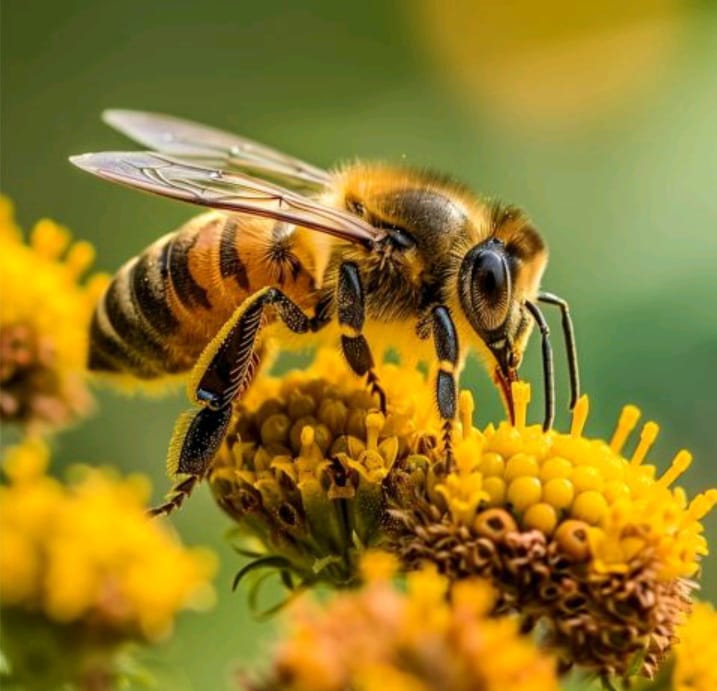
Pollinators are essential to the growth and sustainability of agriculture in Nigeria. With a rapidly expanding population and rising food demand, their contribution to crop production, environmental balance, and rural income generation has become increasingly significant.
Understanding Pollinators
Pollinators are organisms that transfer pollen from the male parts of flowers to the female parts, enabling fertilization and the formation of fruits and seeds. In Nigeria, common pollinators include:
Bees (both wild species and managed honeybees)
Butterflies and moths
Flies
Beetles
Birds and bats
Among these, bees are considered the most effective and economically valuable for agricultural production.
Contributions of Pollinators to Nigerian Agriculture
- Improving Crop Production and Quality
A large number of Nigeria’s food crops rely partially or fully on animal pollination. These include fruits such as mangoes, citrus, watermelon, and pawpaw; vegetables like okra and cucumber; oil-producing crops such as oil palm; and legumes like cowpea.
Effective pollination increases harvest quantity and enhances produce quality. Well-pollinated crops tend to be larger, better shaped, tastier, and more attractive in the market. Insufficient pollination can result in lower yields and inferior produce.
- Strengthening Food Security
Agriculture remains a key sector of the economy in Nigeria, providing employment for a significant portion of the population, particularly in rural communities. Pollinators play a direct role in sustaining food supplies by ensuring the successful reproduction of many crops. In major farming areas such as Kaduna State and Benue State, pollination activities greatly influence agricultural output.
By boosting crop productivity and stability, pollinators help combat hunger and improve nutrition nationwide.
- Supporting Biodiversity and Environmental Stability
Pollinators contribute to the reproduction of wild plants, helping maintain plant diversity and healthy ecosystems. These ecosystems provide essential services such as soil improvement, water conservation, and climate regulation.
Across forest and savannah regions of Nigeria, pollinators sustain both cultivated crops and natural vegetation, preserving ecological balance.
- Enhancing Rural Incomes
Beekeeping has emerged as a valuable economic activity in many Nigerian communities. Products such as honey and beeswax are sold locally and internationally, generating income for farmers. In addition, crops benefit from increased yields due to pollination by bees.
Agricultural development programs and non-governmental organizations continue to promote apiculture as a sustainable business opportunity.
Threats to Pollinators in Nigeria
Despite their vital role, pollinators face numerous challenges, including:
- Deforestation and habitat destruction
- Overuse and misuse of pesticides
- Climate change affecting flowering cycles
- Bush burning and land degradation
The widespread use of agrochemicals poses a major threat, as it often harms beneficial insects along with targeted pests.
Measures for Conservation
Protecting pollinators is crucial for sustainable agricultural development. Key strategies include:
- Adopting integrated pest management to minimize harmful chemical use.
- Planting flowering vegetation around farms to provide food sources for pollinators.
- Encouraging environmentally responsible farming practices.
- Supporting and training farmers in beekeeping.
- Developing policies aimed at pollinator protection.Increasing awareness of the economic and environmental value of pollinators is vital for ensuring long-term agricultural productivity.
Pollinators are fundamental to agricultural success in Nigeria. They improve crop yield and quality, promote food security, conserve biodiversity, and support rural livelihoods. Prioritizing their protection through sustainable practices and conservation initiatives will help secure Nigeria’ agricultural environment