
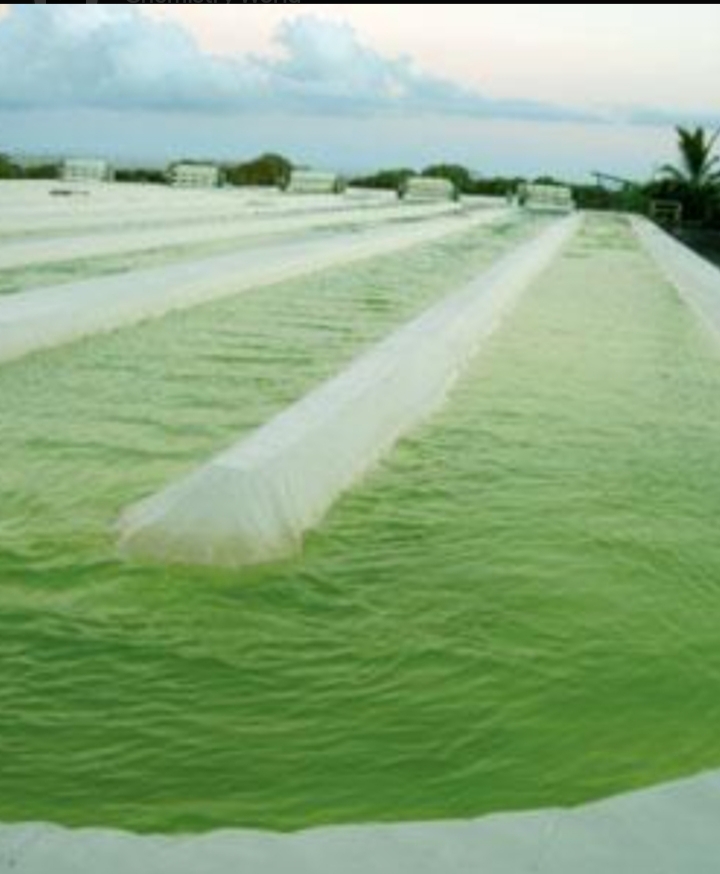
As global populations rise and pressure on land, water, and energy systems intensifies, algae farming is gaining recognition as a highly versatile and sustainable solution. With applications spanning human nutrition, animal feed, and renewable fuels, algae cultivation offers a pathway toward a more resilient bioeconomy.
Unlike conventional crops, algae grow quickly, do not require fertile soil, and can thrive in freshwater, seawater, or even wastewater. These advantages make them especially attractive in regions facing land scarcity and climate stress.
- Algae for Human Nutrition
Algae have long been part of traditional diets in various parts of the world. Today, microalgae such as Spirulina and Chlorella are widely consumed as dietary supplements and functional food ingredients.
Nutritional Value
Algae are exceptionally nutrient-dense. They contain:
High levels of protein, often exceeding those of many plant crops
Essential amino acids
Omega-3 fatty acids, including DHA and EPA
Vitamins such as B-complex
Important minerals like iron
Bioactive compounds and antioxidants
Because algae can produce more protein per hectare than traditional crops, they offer a promising alternative for meeting global protein demand with fewer environmental inputs.
Expanding Food Uses
Food manufacturers are increasingly incorporating algae into:
Plant-based meat substitutes
Health drinks and smoothies
Nutrition bars and snacks
Fortified processed foods
As interest in sustainable and plant-based nutrition grows, algae-derived ingredients are becoming more mainstream.
- Algae as Sustainable Animal Feed
Modern livestock and aquaculture systems rely heavily on soy and fishmeal, both of which have environmental consequences. Algae present a viable and more sustainable alternative.
Aquaculture Applications
Fish require omega-3 fatty acids for healthy growth. Traditionally sourced from wild fish stocks, these nutrients can instead be derived directly from algae—the original producers of marine omega-3s—helping reduce pressure on ocean ecosystems.
Livestock Benefits
Certain types of red seaweed added to cattle diets have been shown to lower methane emissions from digestion. This has significant implications for reducing greenhouse gases associated with livestock production.
Algae-based feed can also:
Improve animal nutrition
Support immune health
Enhance feed conversion efficiency
By partially replacing conventional feed ingredients, algae can help make animal agriculture more environmentally responsible.
- Algae for Renewable Fuel
Algae are also being explored as a source of biofuel. Some microalgae species accumulate substantial amounts of oil, which can be processed into biodiesel, aviation fuel, and other renewable fuels.
Advantages Over Traditional Biofuel Crops
Compared to crops like corn or oilseed plants, algae:
Grow much faster
Yield more oil per unit area
Do not compete directly with food crops for arable land
Can capture carbon dioxide from industrial emissions
In some systems, algae cultivation is integrated with industrial facilities, where CO₂ waste streams are reused to stimulate growth.
Barriers to Commercialization
Despite strong potential, challenges remain:
High production costs
Energy-intensive harvesting and processing
Need for technological improvements
Ongoing research into cultivation systems and biorefinery approaches aims to make algae-based fuels more economically competitive.
Environmental Advantages
Algae farming offers several ecological benefits:
Absorption of carbon dioxide through photosynthesis
Ability to grow on non-arable land
Use in wastewater treatment by removing excess nutrients
Reduced need for pesticides and freshwater in some systems
These features make algae cultivation compatible with circular economy models and climate mitigation strategies.
Algae farming represents a multifaceted opportunity to address food security, agricultural sustainability, and clean energy production simultaneously. Although large-scale fuel production still faces technical and financial hurdles, progress in biotechnology and system design continues to improve feasibility.
As global systems shift toward sustainability, algae may become an increasingly important resource supporting healthier diets, lower-emission livestock systems, and renewable energy solutions for the future.