
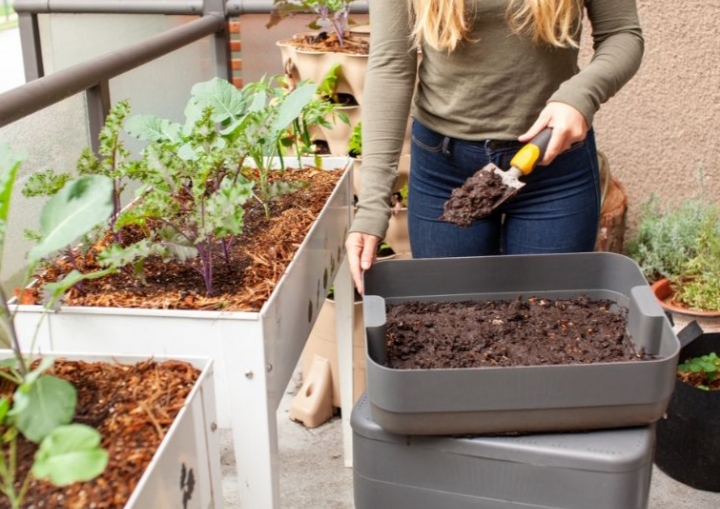
Healthy crops begin with fertile soil. Instead of depending on synthetic fertilizers, many gardeners choose homemade organic alternatives that enrich the soil naturally, improve plant health, and increase yields. These fertilizers are affordable, environmentally friendly, and easy to prepare using common household materials.
1. Compost : The All-Purpose Soil Builder
Compost is one of the most effective organic fertilizers. Made from decomposed kitchen scraps, garden waste, and dry leaves, it provides a balanced supply of nutrients. Compost improves soil structure, enhances water retention, and supports beneficial microorganisms. Apply it before planting or use it as a top dressing during the growing season.
2. Compost Tea : Quick Nutrient Boost
Compost tea is created by steeping mature compost in water for 24–48 hours. This liquid fertilizer delivers nutrients in an easily absorbable form and promotes strong root development. It can be poured directly into the soil or sprayed on leaves to enhance plant resistance and vitality.
3. Banana Peel Fertilizer : Potassium Rich
Banana peels are rich in potassium and phosphorus, essential for flowering and fruit formation. Chop and bury peels near plant roots, or soak them in water to create a simple liquid fertilizer. This is particularly beneficial for tomatoes, peppers, and flowering plants.
4. Eggshell Fertilizer: Natural Calcium Source
Eggshells provide calcium, which strengthens cell walls and helps prevent blossom-end rot in crops like tomatoes. Wash, dry, and crush the shells into a fine powder before mixing them into soil or compost. Over time, they slowly release calcium to plants.
5. Epsom Salt Solution : Magnesium Supplement
Epsom salt (magnesium sulfate) supplies magnesium and sulfur, which support chlorophyll production and overall plant health. Dissolve one tablespoon in a gallon of water and apply once a month to boost green growth and improve nutrient uptake.
6. Coffee Grounds : Nitrogen Enrichment
Used coffee grounds are a good source of nitrogen and organic matter. They help improve soil texture and encourage microbial activity. Sprinkle them lightly around plants or add them to compost. They are especially helpful for leafy vegetables and some acid-loving plants.
7. Wood Ash: Potassium and MineralsWood ash from untreated wood contains potassium and trace minerals that support flowering and fruiting. It can also help raise soil pH slightly. Apply sparingly and avoid using it on alkaline soils.
Homemade organic fertilizers transform everyday waste into valuable plant nutrients. By using compost, kitchen scraps, and natural mineral sources, gardeners can improve soil fertility, encourage strong plant growth, and achieve healthier, higher yields in a sustainable and environmentally friendly way