
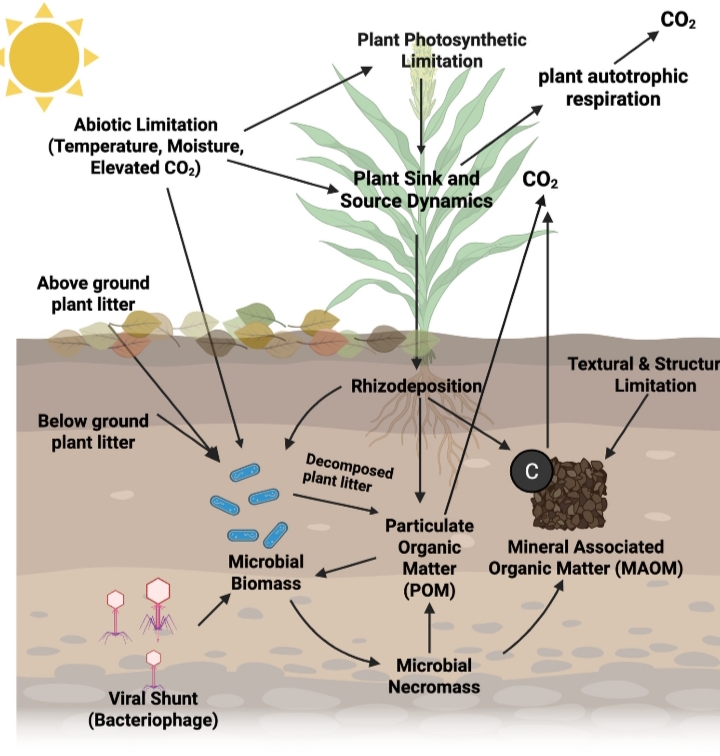
Soil carbon sequestration is a natural process that helps lower the concentration of carbon dioxide in the atmosphere by storing carbon in the soil for long periods. This process is considered an effective way to combat climate change while also enhancing soil quality and agricultural productivity. Scientists and environmental researchers regard soil carbon sequestration as an important nature-based strategy for reducing greenhouse gas emissions.
Carbon exists in many forms within the environment, including in the atmosphere, living organisms, and soil. Through photosynthesis, plants absorb carbon dioxide from the atmosphere and convert it into organic carbon that becomes part of their tissues, such as roots, stems, and leaves. When plants shed their leaves, die, or release organic materials into the ground, soil microorganisms decompose this material. During this decomposition process, some of the carbon becomes stored in the soil as soil organic carbon.
The mechanisms involved in soil carbon sequestration are influenced by biological, chemical, and physical interactions within the soil. Microorganisms like bacteria and fungi are responsible for breaking down plant residues and converting them into more stable organic compounds. Some of this carbon becomes integrated into the soil structure and may remain stored for decades or even centuries. The ability of soil to retain carbon is affected by factors such as climate, soil composition, vegetation type, and land management practices.
Soils that are properly managed can hold significant amounts of carbon. Agricultural practices that increase plant biomass and organic matter generally enhance carbon storage in soils. Methods such as conservation farming, planting cover crops, rotating crops, minimizing soil disturbance, and integrating trees with farming systems can significantly boost soil carbon levels. These practices also protect the soil from erosion and support beneficial microbial activity.
In addition to helping mitigate climate change, soil carbon sequestration offers many benefits for agriculture and the environment. Higher levels of soil organic carbon improve soil fertility, increase its ability to retain water, and enhance nutrient availability for plants. This leads to healthier crops and greater resilience to drought conditions. Moreover, carbon-rich soils support diverse communities of microorganisms that contribute to overall ecosystem stability.
Despite its advantages, soil carbon sequestration can be reversed if land is poorly managed. Activities such as intensive tillage, deforestation, and excessive grazing can disturb the soil and release stored carbon back into the atmosphere. For this reason, sustainable land management practices are necessary to maintain and increase soil carbon storage over time.
In summary, soil carbon sequestration is a scientifically recognized process that captures atmospheric carbon and stores it in the soil. By promoting sustainable farming and land use practices, it is possible to strengthen this natural process, improve soil health, increase agricultural productivity, and contribute to the global effort to address climate change.