
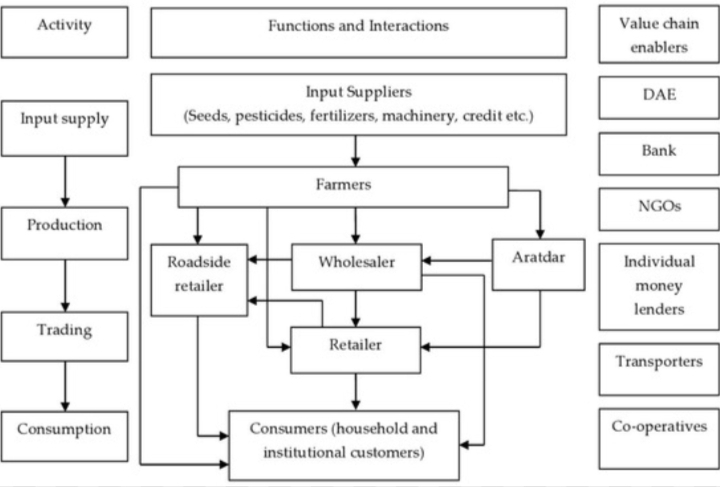
The value chain of fresh vegetables involves a series of interconnected activities that ensure produce moves efficiently from farms to consumers. Understanding this chain is essential for improving productivity, reducing losses, and increasing profitability within the agricultural sector.
The process begins with input supply, where farmers acquire essential resources such as seeds, fertilizers, water, and farming equipment. The quality and availability of these inputs play a significant role in determining the overall yield and standard of the vegetables produced.
Next is the production stage, where farmers cultivate and harvest vegetables. This phase requires proper land preparation, irrigation, pest control, and careful harvesting techniques to maintain quality. Efficient farming practices at this stage directly influence both quantity and freshness.
Once harvested, vegetables move into the post-harvest handling stage. This includes sorting, cleaning, grading, and packaging. Proper handling is crucial to minimize spoilage and maintain the visual and nutritional quality of the produce. Inadequate storage or poor handling can lead to significant losses.
Transportation and distribution follow, linking producers to markets. Fresh vegetables are highly perishable, making timely and efficient transportation essential. Cold chain systems, though not widely available in many regions, can greatly enhance shelf life and reduce waste during transit.
Marketing and retail form another important segment of the value chain. Vegetables are sold through various channels such as local markets, supermarkets, and street vendors. Pricing, demand, and consumer preferences all influence how products are marketed and sold.
Finally, the consumption stage completes the chain, where consumers purchase and use the vegetables. Their preferences for quality, freshness, and price ultimately shape the entire value chain, influencing decisions made at every previous stage.
Several challenges affect the fresh vegetable value chain, including post-harvest losses, poor infrastructure, limited access to markets, and price fluctuations. Addressing these issues requires investment in storage facilities, better transportation systems, and improved market access for farmers.
In summary, the value chain of fresh vegetables is a complex system that connects multiple stakeholders, from input suppliers to consumers. Strengthening each stage of this chain can lead to improved efficiency, reduced waste, and better returns for all participants involved.