
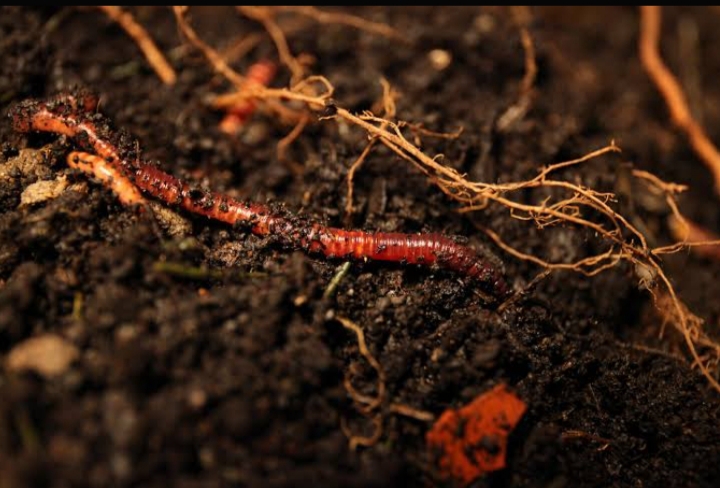
Soil is far more than just a surface to walk on it is a dynamic, living ecosystem filled with a vast array of organisms. Soil biodiversity encompasses the variety of life within the soil, including bacteria, fungi, earthworms, insects, and other microorganisms. These creatures play a vital role in maintaining healthy ecosystems and supporting sustainable agriculture, making soil biodiversity essential for both environmental and human well-being.
One of the primary benefits of soil biodiversity is its role in nutrient cycling. Microorganisms and soil dwelling animals break down organic material, such as plant debris and animal waste, into nutrients that plants can readily absorb. This natural process replenishes soil fertility and reduces the need for synthetic fertilizers. A diverse soil community ensures that essential nutrients are efficiently recycled and available to support crops and natural vegetation.
Soil organisms also improve soil structure. Earthworms and burrowing insects create channels that enhance aeration and water movement, while fungi help bind soil particles together, preventing erosion. These activities create healthier, more resilient soils that can better withstand extreme weather events, including heavy rainfall or prolonged drought.
Another crucial function of soil biodiversity is natural pest and disease control. Many soil organisms prey on harmful insects or compete with disease causing microbes, helping to keep pest populations in check. This biological regulation reduces the need for chemical pesticides, supporting safer and more sustainable farming practices.
Soil biodiversity also plays a role in carbon storage and climate regulation. Microbes and fungi decompose organic matter, capturing carbon in the soil instead of releasing it into the atmosphere. Soils rich in biodiversity act as carbon sinks, helping mitigate climate change while supporting plant growth.
Human activities, however, can threaten soil biodiversity. Practices such as intensive farming, deforestation, overuse of chemical fertilizers and pesticides, and soil compaction disrupt soil ecosystems. Loss of biodiversity weakens soil fertility, decreases resilience to environmental stresses, and diminishes critical ecosystem services that support agriculture and natural habitats.
Protecting soil biodiversity requires adopting sustainable land management practices. Crop rotation, cover cropping, reduced tillage, organic amendments, and agroforestry encourage soil life to thrive. Diversifying plant species and minimizing chemical inputs create favorable conditions for organisms to maintain a healthy, balanced ecosystem.
In summary, soil biodiversity is fundamental to the health of ecosystems, food production, and climate stability. The variety of life in the soil drives nutrient cycling, enhances soil structure, regulates pests, and sequesters carbon, all of which are essential for sustainable agriculture and environmental resilience. Preserving and promoting soil biodiversity is not only an ecological responsibility but also an investment in the future sustainability of our planet.