
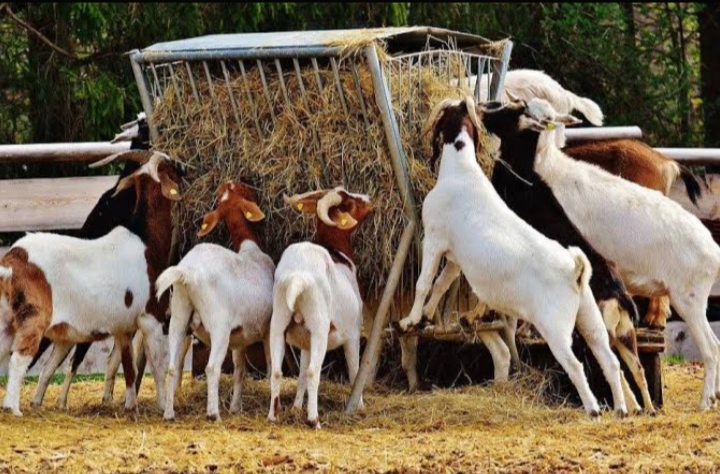
Goat farming is a highly flexible and sustainable livestock activity, particularly well-suited to tropical climates. Goats can perform well under hot and humid conditions where many other farm animals struggle. This article highlights the essential aspects of raising goats in the tropics, including breed choice, housing, feeding, health care, and profitability.
1. Role of Goat Farming in Tropical Areas
In many tropical regions, goats are an important part of farming systems and household livelihoods. They provide meat, which is a key source of animal protein, milk especially for small-scale farmers, income due to their quick reproduction and steady demand, and resilience as they can survive harsh conditions and low quality feed. Because of their small size and relatively low cost of upkeep, goats are accessible to many farmers.
2. Choosing the Right Breeds
Selecting breeds that can handle tropical conditions is essential. The best options are those that can tolerate heat, resist diseases, and utilize local feed efficiently. Examples include the West African Dwarf, known for strong disease resistance and adaptability to humid environments; Red Sokoto (Maradi), valued for both meat and skin production; Sahelian goats, which are well adapted to dry tropical regions; and Boer goats and their crosses, which are used to improve meat yield. Crossbreeding local and improved breeds can increase productivity while retaining environmental adaptability.
3. Housing Requirements
Although goats are tough animals, proper housing helps improve their health and performance. Important features include good airflow to reduce heat and moisture buildup, dry elevated floors to limit parasite infections, shelter from rain and intense sunlight, and regular cleaning to maintain hygiene. Housing structures can be simple and built with locally available materials.
4. Feeding Practices
Goats naturally browse on a wide range of plants, but proper feeding is still necessary for good production. Common feed options include pasture grasses and shrubs, farm residues such as cassava peels and maize stalks, by-products from agro-processing, and protein-rich legumes. Farmers should provide a balanced diet with adequate nutrients, ensure access to clean water, offer supplements during dry seasons, and avoid harmful or poisonous plants.
5. Health Management
Warm and humid conditions in the tropics can increase the risk of diseases and parasites. Common issues include worm infestations, ticks and mites, PPR (Peste des Petits Ruminants), and foot infections in wet environments. Preventive strategies involve routine vaccination and deworming, maintaining clean housing conditions, isolating sick animals, and ensuring regular veterinary care. Good hygiene and biosecurity are essential for preventing disease outbreaks.
6. Breeding and Reproduction
Goats reproduce quickly, making them ideal for expanding herds in a short time. They have a gestation period of about five months, often give birth to twins, and reach reproductive maturity early. Good practices include selecting strong and healthy breeding animals, preventing inbreeding, feeding pregnant and nursing goats properly, and keeping accurate breeding records.
7. Economic Benefits
Goat farming can be a profitable venture in tropical regions due to its low initial investment, strong market demand for meat and milk, opportunities for processing products like cheese and leather, and quick financial returns from rapid reproduction. It is suitable for both small-scale and commercial farming.
8. Challenges
Despite its advantages, goat farming in tropical areas faces some difficulties such as lack of feed during dry seasons, disease and parasite problems, limited veterinary support in some areas, and unstable market prices. These challenges can be managed with proper planning and farmer education.
Conclusion
Raising goats in tropical environments can be both productive and profitable when managed effectively. By choosing appropriate breeds, ensuring good nutrition and housing, and maintaining strong health practices, farmers can improve their yields and income. With increasing demand for goat products, the future of goat farming in tropical regions remains promising.