
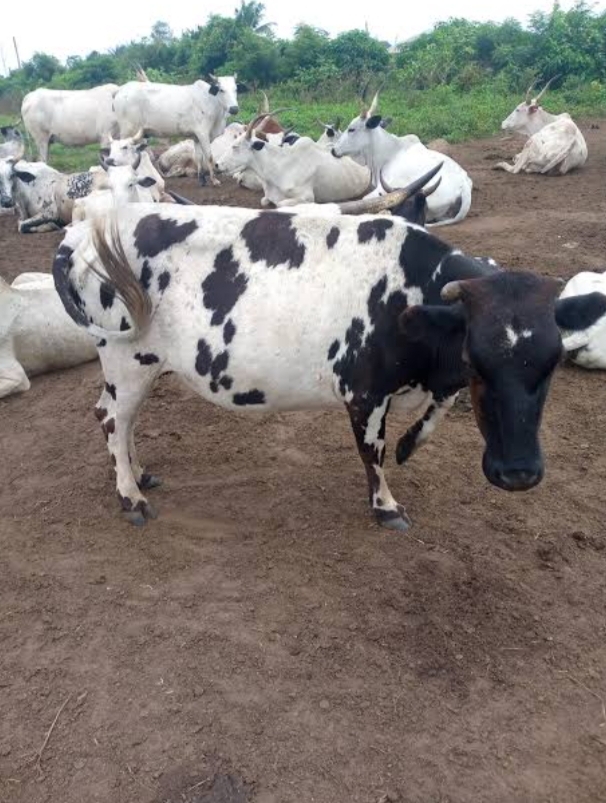
White Fulani cattle, commonly referred to as Bunaji, are among the most widely distributed cattle breeds in West Africa, particularly in Nigeria. They are mainly kept under traditional systems and serve both meat and milk purposes. Although they contribute to milk production, their performance in dairy farming comes with both strengths and drawbacks.
General Characteristics
White Fulani cattle typically have a white or light-grey coat, long curved horns, and a prominent hump, which are common features of zebu breeds. They are usually raised under extensive or semi-intensive systems where they depend largely on natural pasture.
Strengths in Dairy Production
1. Strong Environmental Adaptation
These cattle are highly adapted to tropical conditions. They can endure extreme heat, scarcity of feed, and long distances in search of water and grazing land.
2. Good Heat Resistance
Their ability to cope with high temperatures makes them suitable for dairy farming in hot climates where exotic breeds may not perform well.
3. Natural Disease Resistance
White Fulani cattle show resistance to many local diseases and parasites, which helps reduce treatment costs and improves survival rates.
4. Low Input Requirements
They can survive on poor-quality forage and require less intensive management, making them suitable for small-scale farmers.
5. Socioeconomic Value
Beyond milk production, they are important for cultural practices and serve as a source of income and wealth in many communities.
Weaknesses in Dairy Production
1. Low Milk Output
A major disadvantage is their relatively low milk yield compared to specialized dairy breeds such as Holstein-Friesians and Jerseys, limiting their commercial dairy potential.
2. Short Lactation Duration
They generally produce milk for a shorter period, reducing total milk yield over time.
3. Slow Genetic Progress
Lack of organized breeding programs and reliance on traditional methods hinder improvements in milk production.
4. Delayed Maturity
They tend to reach reproductive age later, which can slow down productivity and herd expansion.
5. Limited Response to Improved Management
Even with better feeding and care, the increase in milk production may not be as significant as seen in exotic dairy breeds.
Prospects for Improvement
Improving the dairy potential of White Fulani cattle can be achieved through crossbreeding with high-yielding breeds, along with better feeding, healthcare, and breeding management practices.
Conclusion
White Fulani cattle remain an important resource for dairy production in West Africa due to their hardiness and adaptability. However, their low milk yield and other limitations make them less suitable for intensive dairy farming. With proper management and genetic improvement strategies, they can continue to contribute meaningfully to sustainable livestock production.