
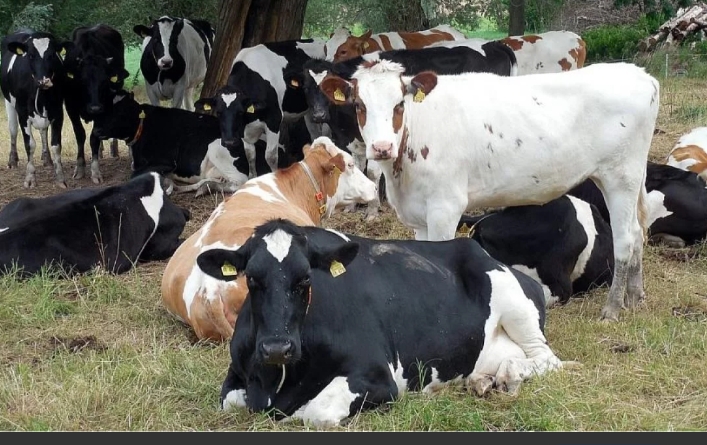
In many regions of the world, particularly in tropical and subtropical areas, livestock farmers face the challenge of increasing milk production while maintaining animals that can survive high temperatures. Crossbreeding has proven to be an effective method for achieving both improved productivity and environmental adaptability.
Understanding Crossbreeding
Crossbreeding is the practice of mating animals from different breeds to combine their desirable characteristics. In dairy farming, this usually involves breeding high-producing exotic cattle with local breeds that are naturally adapted to harsh environmental conditions.
Why Crossbreeding is Important
Local cattle breeds are typically well suited to their environments. They can tolerate heat, resist diseases, and survive on limited or low-quality feed. However, their milk production is often low. In contrast, exotic breeds like Holstein-Friesians and Jerseys produce large quantities of milk but are less tolerant of heat and require more intensive care.
Crossbreeding combines the strengths of both, aiming to produce animals that are both productive and resilient.
Advantages of Crossbreeding
1. Increased Milk Production
Crossbred animals generally produce more milk than indigenous breeds due to the influence of high-yielding parents.
2. Better Heat Tolerance
By inheriting traits from local breeds, crossbred cattle can better withstand high temperatures and environmental stress.
3. Hybrid Vigor (Heterosis)
Crossbreeding often results in offspring that perform better than their parents in terms of growth, fertility, and overall productivity.
4. Greater Disease Resistance
Local breeds contribute resistance to common diseases and parasites, helping crossbred animals stay healthier.
5. Improved Adaptability
Crossbred cattle are more capable of adjusting to difficult conditions such as drought and feed shortages.
Types of Crossbreeding Systems
1. Two-Breed Crossing
This involves mating one local breed with one exotic breed to combine their traits.
2. Backcrossing
In this method, crossbred animals are bred again with one of the parent breeds to strengthen specific characteristics.
3. Rotational Crossing
This system uses multiple breeds in rotation to maintain performance and genetic diversity over time.
Challenges Associated with Crossbreeding
Despite its benefits, crossbreeding can present some difficulties:
- Higher Management Needs: Crossbred animals may need better care, feeding, and health management.
- Risk of Losing Local Traits: Uncontrolled breeding can reduce valuable characteristics of indigenous breeds.
- Variable Results: Without proper planning, performance outcomes may be inconsistent.
Guidelines for Effective Crossbreeding
- Choose breeds that complement each other in productivity and adaptability.
- Keep accurate records of breeding and animal performance.
- Provide sufficient nutrition to support higher productivity.
- Use planned and controlled breeding systems.
- Seek guidance from animal breeding professionals when necessary.
Conclusion
Crossbreeding is a valuable strategy for improving dairy production, especially in hot climates. By combining the high milk yield of exotic breeds with the hardiness of local breeds, farmers can develop animals that are both productive and resilient. However, achieving the best results requires careful planning, proper management, and informed decision-making.