
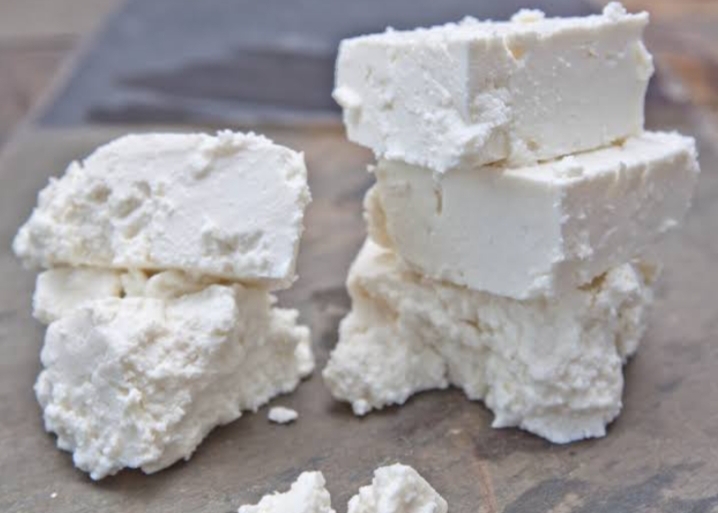
Making cheese at home for sale can be both a profitable and fulfilling business if it is done correctly. It requires a good understanding of basic cheese-making techniques, strict hygiene practices, and simple business management skills. Success depends largely on maintaining quality, cleanliness, uniformity, and attractive packaging.
1. Basic Principles of Cheese Production
Cheese is produced by causing milk to coagulate, separating it into solid curds and liquid whey. This is usually achieved by adding a starter culture and a coagulant such as rennet or natural acids like lemon juice or vinegar. The method used determines whether the cheese will be soft, semi-hard, or hard.
Beginners are advised to start with easy-to-make varieties like fresh cheese or cottage cheese, which require minimal equipment and less time.
2. Required Equipment and Ingredients
Cheese making at home requires simple tools such as:
- Stainless steel pots
- A thermometer
- Cheesecloth or clean fabric
- A sieve or colander
- Stirring utensils
- Molds (if needed)
All equipment must be thoroughly cleaned and sanitized before use.
Key ingredients include fresh milk (from cows, goats, or sheep), starter cultures where necessary, and a coagulant like rennet, lemon juice, or vinegar.
3. Cheese Making Procedure
Start by gently heating the milk to an appropriate temperature, usually between 30°C and 40°C, depending on the type of cheese. Add the starter culture if required and allow it to activate.
Then, introduce the coagulant and let the milk sit undisturbed until curds form, which may take about 30 minutes to an hour. Once formed, cut the curds into smaller pieces to help release the whey.
Next, stir and slightly heat the curds to make them firmer. Pour the mixture into a cheesecloth-lined sieve to drain off the whey.
After draining, salt the curds for taste and preservation. For certain cheese types, press the curds into molds to remove excess moisture and give them shape.
4. Hygiene and Quality Control
Maintaining cleanliness is essential when producing cheese for sale. Hands should always be washed properly, and all equipment must be sanitized.
Use only fresh milk from healthy animals, as poor-quality milk can negatively affect the safety and flavor of the cheese.
Controlling temperature during processing is also important to ensure consistent results.
5. Packaging and Storage
Finished cheese should be packed using clean, food-safe materials such as plastic wraps, sealed bags, or containers.
Proper labeling is important for commercial purposes. Information such as the product name, date of production, and expiry date should be clearly indicated.
Cheese should be stored in a cool environment or refrigerated to preserve its quality. Soft cheeses generally spoil faster than harder varieties.
6. Legal and Business Requirements
Before selling homemade cheese, it is important to understand and comply with local food safety regulations. This may involve obtaining permits or undergoing inspections.
Starting on a small scale is advisable. Selling within your community or at local markets can help you build a steady customer base.
7. Promoting Your Product
Maintaining good quality and consistency helps attract and retain customers. Marketing can be done through word of mouth, social media platforms, or local advertising.
Providing samples, using appealing packaging, and offering good customer service can give your product a competitive edge.
Conclusion
Producing cheese at home for sale is a practical way to earn income while supplying a valuable food product. By following proper methods, ensuring high standards of hygiene, and focusing on quality and presentation, you can successfully establish a small-scale cheese-making business.