
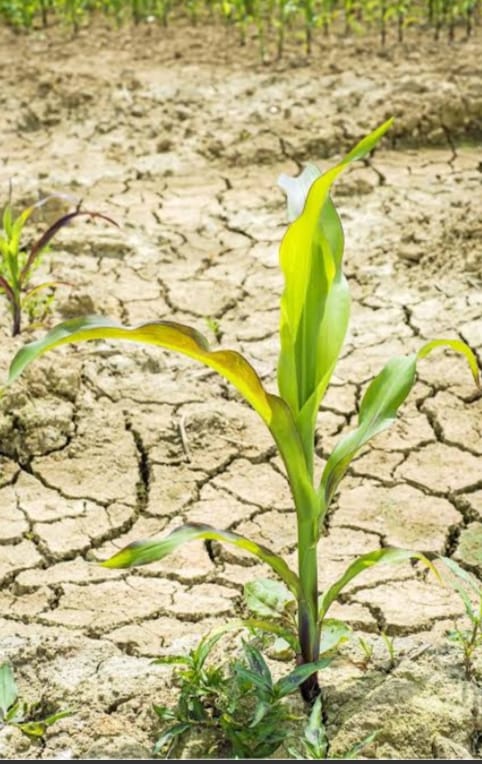
West Africa is experiencing more frequent dry spells, unpredictable rainfall, and rising temperatures due to climate change. These conditions make farming increasingly difficult, especially in semi-arid regions like Niger, northern Nigeria, Mali, Burkina Faso, and Senegal. One major solution is the use of drought-tolerant crops that can grow and yield even when water is limited.
What Are Drought-Resistant Crops?
Drought-resistant crops are plant varieties that can survive and produce food under low-water conditions. They are adapted to withstand heat, poor soils, and long dry periods better than conventional crops.
While they still need some water, they are far more resilient during drought stress.
Major Drought-Resistant Crops in West Africa
1. Millet
Millet is a key staple in dry parts of West Africa.
- Requires very little rainfall
- Grows well in sandy, low-fertility soils
- Has a short growing cycle
It is widely cultivated in areas such as Niger and northern Nigeria because of its reliability in harsh climates.
2. Sorghum
Sorghum is another important cereal known for its ability to survive dry conditions.
- Highly tolerant to drought
- Used for food, livestock feed, and local beverages
- Can grow in various soil types
It is often used as a substitute for maize in areas with low rainfall.
3. Cowpea
Cowpea (commonly called beans) is a widely grown legume in the region.
- Performs well in hot, dry climates
- Enriches soil by fixing nitrogen
- Serves as an affordable protein source
It is often intercropped with cereals to improve farm productivity.
4. Cassava
Cassava is a root crop that is very resilient in difficult conditions.
- Survives in poor soils and low rainfall areas
- Can remain underground until needed
- Provides a major source of carbohydrates
It is a crucial food security crop across many West African countries.
5. Groundnuts
Groundnuts are both drought-tolerant and economically important.
- Adapt well to semi-arid regions
- Improve soil fertility
- Used for oil production, food, and animal feed
They are widely grown in countries like Nigeria and Senegal.
6. Fonio
Fonio is an ancient grain native to West Africa and known for its resilience.
- Grows in very poor soils
- Requires minimal rainfall
- Matures quickly, often within two months
It is increasingly valued for its nutrition and adaptability.
7. Bambara Groundnut
This underutilized legume thrives in tough growing conditions.
- Grows where many other crops cannot
- Rich in nutrients and protein
- Helps improve soil quality
It is sometimes referred to as a highly nutritious “complete food.”
Importance of These Crops
Drought-tolerant crops are essential for:
- Improving food security in drought-prone areas
- Reducing dependence on rainfall-sensitive crops
- Supporting smallholder farmers
- Preventing total harvest failure during dry seasons
- Strengthening climate resilience in agriculture
Challenges to Widespread Use
Despite their advantages, several issues limit their adoption:
- Limited availability of improved seed varieties
- Low awareness among farmers
- Preference for popular staples like rice and maize
- Weak agricultural extension systems
- Limited market demand for some traditional crops
Moving Toward Climate-Smart Farming
Efforts by governments and international organizations, including the Food and Agriculture Organization, are helping promote climate-resilient agriculture and improve access to drought-tolerant seeds across West Africa.
Conclusion
Crops like millet, sorghum, cowpea, cassava, groundnuts, fonio, and bambara groundnut are essential for farming in West Africa’s changing climate. Although challenges exist in adoption and awareness, these crops offer a strong path toward improved food security and agricultural resilience in the region.