
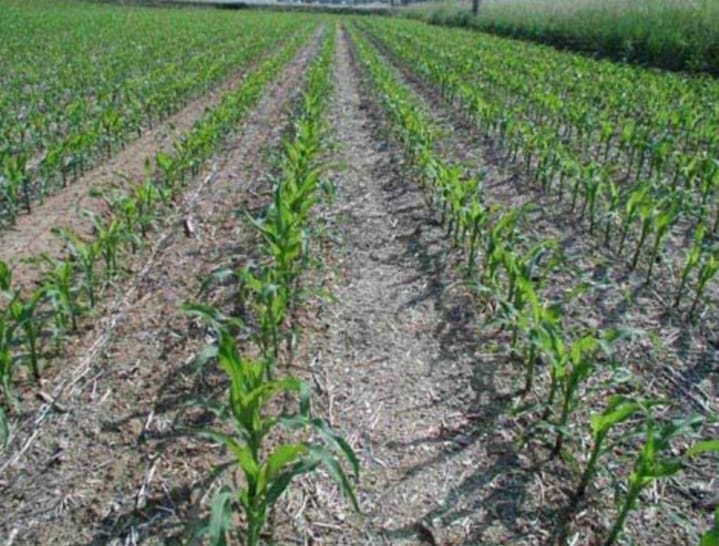
No-till farming is an agricultural practice where crops are grown without ploughing or disturbing the soil. Instead of turning the soil each season, seeds are planted directly into leftover crop residue. This method is increasingly seen as a sustainable alternative to conventional farming, though it also comes with limitations and misunderstandings.
What Is No-Till Farming?
No-till farming is a form of conservation agriculture that avoids soil tillage. Rather than ploughing the land, farmers leave plant residues on the surface and plant directly into the soil using specialized equipment.
It is often combined with techniques like crop rotation and cover cropping to improve soil quality and long-term productivity.
Advantages of No-Till Farming
1. Enhances Soil Quality
One major benefit is improved soil structure. Since the soil is not repeatedly disturbed, natural organisms such as earthworms and microbes can thrive more easily, improving fertility over time.
2. Reduces Soil Erosion
Crop residues left on the surface protect the soil from being washed or blown away by rain and wind, helping to preserve farmland.
3. Improves Water Retention
Because the soil surface remains covered, moisture is conserved more effectively, reducing water loss through evaporation and helping crops survive dry conditions.
4. Lowers Production Costs
With fewer field operations required, farmers spend less on fuel, machinery use, and labour, which can reduce overall farming expenses.
5. Supports Carbon Storage
Minimizing soil disturbance helps keep carbon trapped in the soil, which may contribute to reducing greenhouse gas emissions.
Disadvantages of No-Till Farming
1. Difficult Weed Control
Without ploughing to remove weeds, farmers often depend more on herbicides or other weed management methods, which may increase costs or raise environmental concerns.
2. Higher Risk of Pests and Diseases
Leftover crop residues can sometimes become a breeding ground for pests and plant diseases if not properly managed.
3. Adjustment Period Challenges
Farmers transitioning from traditional methods may experience lower yields at first as the soil adapts to the new system.
4. Need for Specialized Equipment
No-till farming requires specific planting machinery, which can be expensive, especially for small-scale farmers.
5. Limited Suitability in Some Soils
In certain soil types, especially heavy or poorly drained soils, no-till practices may lead to compaction or reduced productivity if not carefully managed.
Common Misconceptions About No-Till Farming
Myth 1: It Requires No Effort
A common misunderstanding is that no-till farming is effortless. In reality, it requires careful management, particularly for weeds and soil health.
Myth 2: It Fixes All Agricultural Problems
While beneficial, no-till farming does not automatically solve all issues such as nutrient deficiencies or pest outbreaks.
Myth 3: Yields Improve Immediately
Some assume yields increase instantly, but in many cases, farmers experience a transition period where results may be unstable before improvements appear.
Myth 4: It Eliminates the Need for Chemicals
Although some systems reduce chemical use, many no-till farms still rely on fertilizers and herbicides depending on conditions and scale.
Myth 5: It Is Only for Large Farms
No-till practices can be used on both large commercial farms and smallholder farms, though access to tools and training may vary.
Conclusion
No-till farming offers several important benefits, including better soil health, reduced erosion, and lower operational costs. However, it also presents challenges such as weed control difficulties, equipment requirements, and an adjustment period for farmers.
Rather than being a universal solution, it is a flexible farming method that works best when adapted to local conditions and supported by proper management practices.