
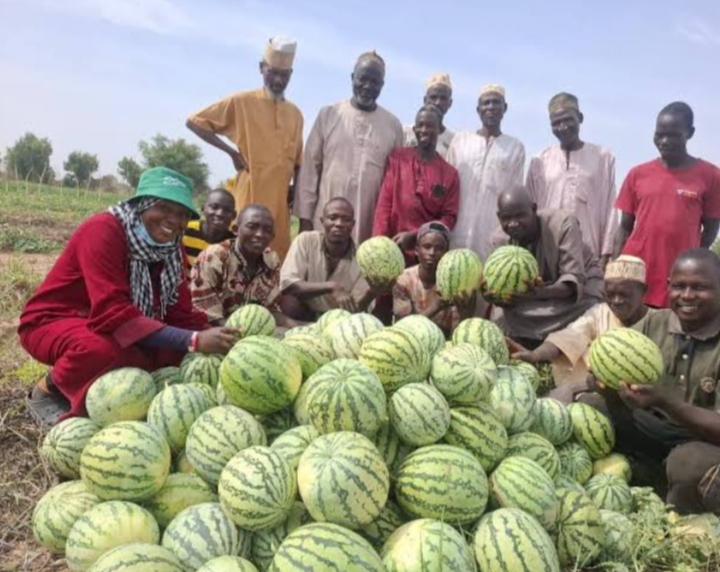
Watermelon cultivation can thrive in dry regions when farmers apply appropriate agricultural techniques. Since watermelon is a warm season crop that performs well under high temperatures and abundant sunlight, it is well suited to semi-arid and dry environments. However, successful production depends heavily on proper moisture management because the crop still requires sufficient water during growth and fruit development.
By using efficient irrigation systems, conserving soil moisture, and maintaining proper crop management, farmers can obtain high yields and quality fruits even in areas with limited rainfall.
Climate Requirements for Watermelon
Watermelon grows best in hot climates with temperatures between 22°C and 35°C. Dry environments with long periods of sunshine are favorable because excessive rainfall and humidity often encourage diseases and reduce fruit quality.
Suitable conditions include:
- Warm temperatures
- Low to moderate rainfall
- Plenty of sunlight
- Minimal frost occurrence
Excessive rain may lead to fungal infections, fruit decay, and reduced sweetness.
Soil Requirements
The crop performs best in fertile, well-drained sandy loam soils that support healthy root growth and prevent waterlogging.
Ideal soil characteristics include:
- Sandy loam texture
- Good drainage capacity
- Soil pH ranging from 6.0 to 7.5
- Adequate organic matter content
Heavy clay soils are generally unsuitable because they retain too much moisture and may promote root diseases.
Land Preparation
Proper field preparation helps improve soil structure and supports vigorous plant development.
The process usually involves:
- Removing weeds and crop residues
- Ploughing and harrowing the soil
- Incorporating compost or organic manure
- Forming ridges or raised beds
Raised beds are especially beneficial in dry areas because they improve water management and reduce moisture loss.
Water Conservation and Irrigation
Efficient water use is essential for watermelon farming in dry environments. Farmers should adopt irrigation methods that reduce wastage and ensure adequate moisture supply.
Drip Irrigation
Drip irrigation is highly recommended because it delivers water directly to the plant roots while minimizing evaporation losses.
Advantages include:
- Better water efficiency
- Reduced weed growth
- Lower disease risk
- Improved fruit quality
Mulching
Mulching helps retain soil moisture and suppress weed growth.
Materials commonly used include:
- Straw
- Dry grass
- Plastic mulch
Mulching also protects the soil from excessive heat and reduces evaporation.
Proper Irrigation Timing
Adequate watering is most important during:
- Seed germination
- Flowering
- Fruit development
Reducing irrigation close to harvest can improve fruit sweetness and prevent cracking.
Selection of Suitable Varieties
Farmers should choose watermelon varieties that are well adapted to dry conditions.
Preferred varieties are those that:
- Mature early
- Resist pests and diseases
- Tolerate heat and drought
- Produce high-quality fruits
Hybrid varieties are often favored for commercial farming because they provide better yields and uniform fruits.
Planting Techniques
Watermelon seeds are usually sown directly in the field.
Important planting practices include:
- Planting during the dry season when irrigation is available
- Using healthy and treated seeds
- Maintaining proper spacing between plants
Recommended spacing often ranges between:
- 1–1.5 meters between plants
- 2–3 meters between rows
Adequate spacing reduces competition for nutrients and water.
Nutrient Management
Watermelon plants require balanced nutrients for healthy growth and fruit formation.
Key nutrients include:
- Nitrogen for leafy growth
- Phosphorus for root development
- Potassium for fruit quality and sweetness
Both organic manure and inorganic fertilizers can be applied depending on soil fertility levels.
Weed Control
Weeds compete with watermelon plants for water, nutrients, and sunlight, especially in dry areas where moisture is limited.
Effective weed management methods include:
- Mulching
- Manual weeding
- Shallow cultivation
- Controlled herbicide use
Pest and Disease Management
Despite the dry climate, watermelon crops can still be affected by pests and diseases.
Common pests include:
- Aphids
- Whiteflies
- Beetles
- Melon flies
Common diseases include:
- Powdery mildew
- Anthracnose
- Fusarium wilt
Farmers can reduce these problems through:
- Crop rotation
- Good field sanitation
- Use of resistant varieties
- Proper pesticide application
Harvesting
Depending on the variety, watermelons are usually ready for harvest within 70 to 100 days after planting.
Indicators of maturity include:
- Dry tendrils near the fruit
- Cream-yellow underside of the fruit
- Dull hollow sound when tapped
- Full external color development
Fruits should be harvested carefully to prevent physical damage.
Challenges of Farming Watermelon in Dry Areas
Farmers operating in dry regions may encounter challenges such as:
- Limited water supply
- High evaporation rates
- Extreme heat conditions
- Pest infestations
- Poor soil fertility
These challenges can be addressed through efficient irrigation, mulching, soil improvement, and proper crop management.
Economic Benefits of Watermelon Farming
Watermelon farming can be highly profitable because the fruits are widely consumed and often command good market prices.
Its benefits include:
- Income generation for farmers
- Employment opportunities
- High demand in local markets
- Nutritional value for consumers
During dry seasons, watermelon prices may increase, providing farmers with better returns.
Conclusion
Watermelon cultivation in dry areas can be successful when farmers use appropriate farming practices. Proper irrigation, moisture conservation, good soil management, and the selection of drought-tolerant varieties are key factors for high productivity.
Although dry conditions pose certain difficulties, farmers who adopt modern agricultural techniques can achieve quality yields and make substantial profits from watermelon farming.