
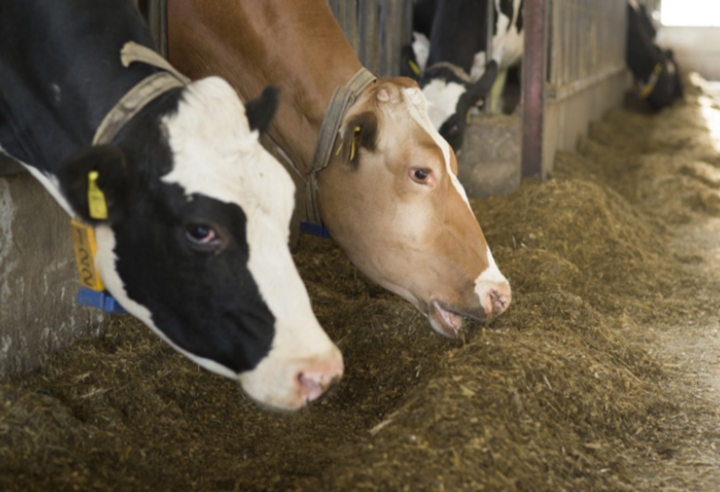
Livestock farming plays a vital role in providing food, income, and employment for many families around the world. Healthy animals produce more meat, milk, eggs, and offspring, which improves farmers’ livelihoods. However, diseases can spread rapidly among animals and lead to serious economic losses. In areas where veterinary services are unavailable or too costly, farmers must rely on effective management practices to keep their animals healthy.
Preventing disease is more affordable and effective than treating sick animals. By maintaining cleanliness, providing proper nutrition, and observing animals regularly, farmers can lower the chances of disease outbreaks.
Understanding Animal Diseases
Livestock diseases may result from bacteria, viruses, parasites, poor feeding, fungi, or unclean surroundings. Farmers should pay attention to warning signs such as:
- Reduced appetite
- Weight loss
- Fever
- Diarrhea
- Coughing
- Weakness
- Swelling
- Skin infections
- Lower milk or egg production
Regular monitoring helps farmers identify problems early before they spread.
Maintain Clean Housing
A clean environment is essential for preventing disease. Dirty shelters encourage the growth of harmful germs and parasites.
Farmers should:
- Remove animal waste frequently
- Clean feeding and drinking containers often
- Keep bedding dry
- Improve drainage around shelters
- Ensure proper airflow inside housing areas
Animals should also have enough space because overcrowding increases the spread of infections.
Ensure Access to Clean Water
Safe drinking water is necessary for animal health. Polluted water sources can transmit dangerous diseases.
To maintain water quality:
- Wash water troughs regularly
- Replace dirty water immediately
- Prevent access to stagnant water
- Protect water sources from contamination
Clean water supports healthy growth and strong immunity.
Provide Nutritious Feed
Proper feeding strengthens animals and helps them resist infections naturally.
Farmers should provide:
- Balanced diets containing proteins, vitamins, and minerals
- Fresh grazing areas where available
- Mineral supplements or salt blocks
- Dry, fresh feed free from mold
Spoiled or contaminated feed can make animals seriously ill.
Separate Sick Animals
Animals showing signs of illness should be isolated from the rest of the herd or flock immediately. This helps stop diseases from spreading.
Separate feeding equipment should be used for sick animals, and handlers should clean their hands and tools after contact.
Quarantine Newly Purchased Animals
New animals may carry diseases without showing symptoms. Farmers should keep them apart from existing livestock for at least two weeks before mixing them together.
During this period, farmers should closely observe the animals for any unusual signs or behavior.
Control Parasites
Parasites such as worms, ticks, and lice can weaken animals and spread infections.
Farmers can manage parasites by:
- Rotating grazing fields
- Keeping shelters clean and dry
- Cutting grass around animal houses
- Removing ticks manually when necessary
- Using safe traditional methods where appropriate
Healthy environments reduce parasite infestations.
Use Vaccines When Available
Even if veterinarians are not nearby, farmers should take advantage of vaccination programs offered by agricultural agencies or community animal health workers.
Vaccines can protect livestock from deadly diseases such as:
- Newcastle disease in poultry
- Foot-and-mouth disease in cattle
- PPR in goats and sheep
Preventive vaccination reduces the risk of major outbreaks.
Minimize Animal Stress
Stress weakens the immune system and increases the likelihood of disease.
Stress may be caused by:
- Lack of food or water
- Harsh weather conditions
- Rough handling
- Long-distance transportation
- Overcrowding
Providing proper shelter, shade, and gentle handling helps animals remain healthy.
Improve Farm Biosecurity
Biosecurity involves protecting the farm from disease-causing organisms.
Farmers can improve biosecurity by:
- Restricting unnecessary visitors
- Cleaning equipment regularly
- Keeping rodents and wild animals away
- Disinfecting animal shelters
- Avoiding shared equipment with infected farms
These steps help prevent the introduction of diseases.
Observe Livestock Regularly
Daily observation allows farmers to notice early signs of illness and respond quickly.
Farmers should monitor:
- Feeding behavior
- Body condition
- Breathing patterns
- Movement
- Production levels
Early detection often prevents severe outbreaks.
Use Traditional Remedies Wisely
Some farmers use herbal and traditional treatments for minor livestock problems. While certain methods may help, others may be ineffective or harmful.
Traditional remedies should be used carefully and supported with reliable knowledge whenever possible.
Keep Farm Records
Good record-keeping helps farmers monitor animal health and improve farm management.
Useful records include:
- Vaccination dates
- Illness history
- Birth records
- Feed changes
- Deaths and treatments
Accurate records help farmers identify recurring health problems.
Conclusion
Farmers can successfully reduce livestock diseases without constant veterinary assistance by focusing on prevention. Clean housing, safe water, proper feeding, parasite control, isolation of sick animals, and strong farm hygiene are key practices for maintaining healthy livestock.
Although veterinary care remains valuable, preventive measures can greatly improve animal health, increase productivity, and reduce financial losses for farmers and their communities.