
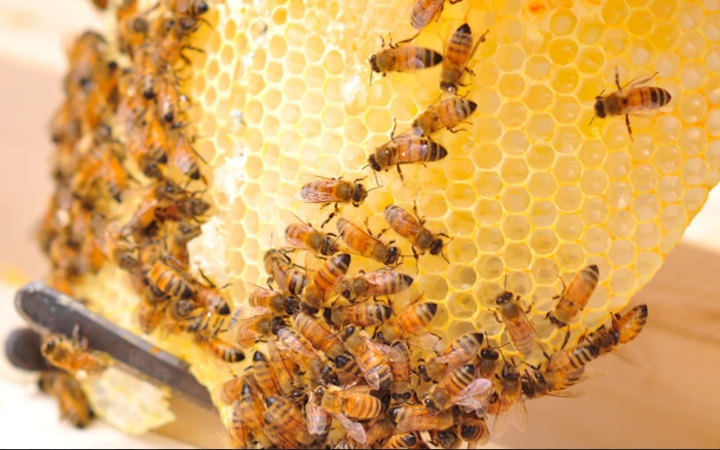
Beekeeping, also called apiculture, is the process of raising and caring for bees mainly for honey production and other useful products such as beeswax, royal jelly, pollen, and propolis. In recent years, the practice has become increasingly popular because it offers good profit opportunities, supports the environment, and can be started with moderate investment.
Honey production remains the primary reason many farmers and entrepreneurs enter the beekeeping business. As demand for natural and organic products continues to grow, honey has become highly valuable in both local and international markets.
Understanding Beekeeping
Beekeeping involves managing colonies of honeybees inside specially designed hives. Beekeepers monitor the bees to maintain healthy colonies, encourage reproduction, and improve honey yield.
The European honeybee is one of the most commonly used species because it adapts easily to different environments and produces large amounts of honey.
Beekeeping can be practiced:
- On small backyard farms
- In rural communities
- On large commercial farms
- Even in some urban areas
Depending on the scale, it can serve as either a side business or a full-time occupation.
Importance of Honey Production
Honey is widely consumed because of its nutritional and medicinal benefits. It is commonly used:
- As a natural sweetener
- In food preparation
- For medicinal purposes
- In skincare and beauty products
Honey contains important nutrients, antioxidants, and antibacterial properties, making it attractive to health-conscious consumers.
The increasing interest in healthy lifestyles has also contributed to the growing demand for pure and organic honey.
Advantages of Beekeeping
1. Affordable Startup Costs
Compared to many agricultural businesses, beekeeping does not require huge capital to begin. Basic tools such as hives, smokers, gloves, and protective clothing are often affordable for beginners.
2. Strong Income Potential
Honey and other bee products have good market value. Apart from selling honey, beekeepers can earn money from:
- Beeswax
- Propolis
- Royal jelly
- Bee pollen
Some also generate income by selling bee colonies or offering pollination services to farmers.
3. Environmental Contributions
Bees are essential pollinators that help improve crop production and support biodiversity. Their activities contribute to the growth of fruits, vegetables, and flowering plants.
As a result, beekeeping benefits both the environment and agricultural productivity.
4. Minimal Space Requirement
Beekeeping does not require large areas of land. Several hives can be kept in a small garden or open space, making it suitable for both rural and urban environments.
How to Start Beekeeping
1. Gain Proper Knowledge
Before beginning, aspiring beekeepers should learn about bee behavior, hive care, and honey harvesting techniques. Training programs, workshops, and online resources can provide valuable information.
2. Select a Good Location
An ideal location for beekeeping should:
- Be peaceful and secure
- Have plenty of flowering plants nearby
- Provide access to clean water
- Be protected from harsh weather
A suitable environment helps improve colony health and honey production.
3. Buy Necessary Equipment
Important beekeeping tools include:
- Beehives
- Protective suits
- Gloves
- Smokers
- Hive tools
- Honey extraction equipment
Using quality equipment improves safety and efficiency.
4. Acquire Healthy Bee Colonies
Beekeepers can obtain bees by:
- Purchasing colonies from experienced farmers
- Capturing swarms
- Buying packaged bees
Healthy colonies are important for successful honey production.
5. Maintain the Hives Properly
Regular hive inspections help monitor:
- Bee health
- Honey production levels
- Queen bee performance
- Pest and disease problems
Good hive management increases productivity and reduces losses.
Process of Harvesting Honey
Honey is usually harvested when the honeycombs are fully sealed with wax by the bees. The process typically involves:
- Removing honey-filled frames
- Carefully separating bees from the frames
- Extracting the honey
- Filtering and storing the product properly
Maintaining cleanliness during harvesting is important to preserve honey quality.
Challenges in Beekeeping
Although beekeeping can be profitable, it also presents certain difficulties, such as:
- Diseases and pests
- Extreme weather conditions
- Exposure to pesticides
- Colony collapse
- Risk of bee stings
Proper training and effective management practices can help reduce these challenges.
Marketing Honey and Bee Products
To achieve success, beekeepers must also focus on marketing their products effectively. Honey and other bee products can be sold through:
- Local markets
- Grocery stores
- Online platforms
- Restaurants
- Health and organic product shops
Good packaging and strong branding can help attract more customers.
Future of Beekeeping
The future of beekeeping appears promising due to the increasing demand for natural food products and growing awareness of environmental conservation.
Many governments and agricultural organizations now encourage beekeeping because it can:
- Create employment opportunities
- Improve food production
- Support rural development
- Promote environmental sustainability
Conclusion
Beekeeping for honey production is a rewarding agricultural activity that offers both economic and environmental benefits. It provides income through honey and other bee products while also supporting pollination and biodiversity.
With proper training, effective hive management, and good marketing strategies, beekeeping can become a successful venture for both small-scale and commercial farmers. As global demand for organic and natural products continues to rise, apiculture remains a valuable opportunity for sustainable business growth.