
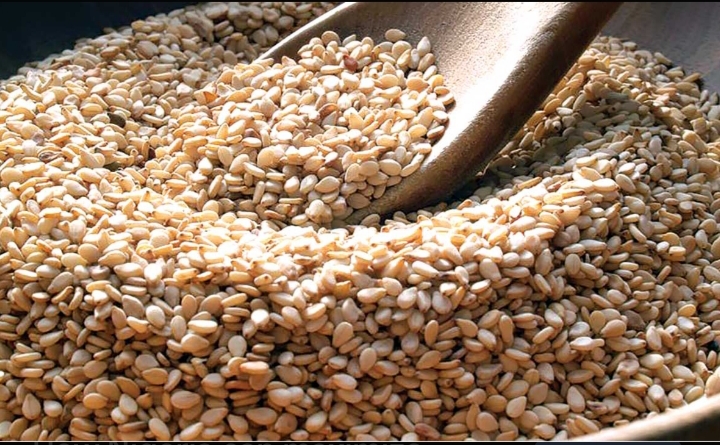
Sesame farming has become an important agricultural business in many parts of the world, particularly in Africa and Asia. Due to its rich oil content and nutritional benefits, sesame seeds are highly demanded in international markets. Countries such as China, Japan, India, Turkey, and several European nations import large quantities of sesame for food production, oil extraction, and industrial use.
With increasing global demand and relatively affordable production costs, sesame farming offers farmers and exporters a profitable opportunity in international trade.
Understanding Sesame
Sesame is one of the oldest cultivated oilseed crops. The seeds are tiny and usually come in white, brown, or black varieties. They are valued for their high content of healthy oils, proteins, minerals, and antioxidants.
Because the crop is highly resistant to drought, it grows well in tropical and semi-arid regions where many other crops may not survive easily.
Importance of Sesame in Export Trade
Strong Global Demand
Sesame seeds are widely used across different industries around the world. Their applications include:
- Production of cooking oil
- Bakery and confectionery products
- Snacks and food processing
- Cosmetics and pharmaceutical products
- Livestock feed manufacturing
As global consumers become more interested in healthy foods and natural oils, the international demand for sesame continues to increase.
Source of Foreign Exchange
Many countries consider sesame an important export crop because it generates foreign income. Farmers and exporters who produce high-quality sesame can access lucrative global markets and expand their business opportunities.
Affordable Production
Compared to many commercial crops, sesame farming requires relatively low capital. It can grow in less fertile soils and does not require excessive rainfall, making it suitable for small-scale farmers.
Suitable Conditions for Sesame Cultivation
Sesame grows best under the following conditions:
- Temperatures between 25°C and 35°C
- Well-drained sandy or loamy soils
- Moderate rainfall
- Adequate sunlight
- Dry weather during harvesting
Too much moisture can damage the crop, especially during the harvesting stage.
Major Steps in Sesame Farming
Preparing the Land
The farmland should be cleared and properly tilled to allow easy root growth. Good drainage is essential because sesame does not grow well in waterlogged soil.
Planting
Farmers should select quality seeds with high germination ability. Planting is usually carried out at the start of the rainy season for better crop establishment.
Seeds may be planted by broadcasting or through row planting methods.
Weed and Pest Management
Weeds compete with sesame plants for nutrients and can reduce productivity if not controlled early. Regular weeding helps improve yield.
Farmers must also monitor pests and diseases and apply proper control measures when necessary.
Harvesting
Sesame plants are harvested when the leaves dry and the seed capsules begin to change color. Careful harvesting is important because mature pods can easily burst open and spill the seeds.
After harvesting, the plants are dried before threshing and seed collection.
Processing and Export Standards
To succeed in export markets, sesame seeds must meet international quality requirements. Good-quality export sesame should be:
- Clean and free from impurities
- Properly dried
- Uniform in color and size
- Low in moisture content
- Hygienically stored
Exporters may also require certifications related to food safety and quality standards depending on the destination country.
Challenges in Sesame Exportation
Although sesame farming is profitable, several difficulties still affect the industry.
Unstable Market Prices
International sesame prices often fluctuate due to changes in demand, supply, and weather conditions.
Inadequate Storage
Poor storage facilities can reduce seed quality and increase post-harvest losses.
Limited Financial Support
Many farmers lack access to loans, modern equipment, and improved farming technologies needed to increase production.
Strict Export Requirements
Failure to meet international quality and safety standards can lead to rejected shipments and financial losses.
Business Opportunities in Sesame Farming
Despite these challenges, sesame farming continues to provide significant economic opportunities. Governments and agricultural agencies in many countries are encouraging sesame production through training programs, improved seed varieties, and export support initiatives.
With proper farming methods, quality control, and access to global markets, sesame farming can provide sustainable income for both small-scale and commercial farmers.
Conclusion
Sesame farming for export remains a profitable agricultural venture due to its strong international demand and wide industrial use. Its ability to thrive in dry conditions also makes it an attractive crop in many regions.
However, achieving success in the sesame export business requires good cultivation practices, proper processing, and strict adherence to international quality standards. As demand for healthy food products continues to grow worldwide, sesame farming is expected to remain an important contributor to agricultural development and export trade.