
Nematodes are tiny worm-like organisms that live in the soil. Some nematodes are beneficial, but harmful types attack vegetable crops and damage their roots. These pests are often difficult to see with the naked eye, yet they can cause serious losses in vegetable production by reducing plant growth, lowering yields, and weakening plant health.
Among the most destructive types are root-knot nematodes, which affect many vegetables such as tomatoes, peppers, okra, carrots, cucumbers, and eggplants.
Causes of Nematode Infestation
Nematodes spread through:
- Infected soil
- Contaminated farm tools
- Irrigation water
- Infected seedlings or transplants
- Continuous planting of the same crop in one area
Warm climates and sandy soils often encourage rapid nematode multiplication.
Symptoms of Nematode Damage
Vegetables affected by nematodes usually show poor growth and reduced productivity. Common symptoms include:
- Yellowing of leaves
- Wilting during hot weather
- Stunted growth
- Reduced yield
- Weak root systems
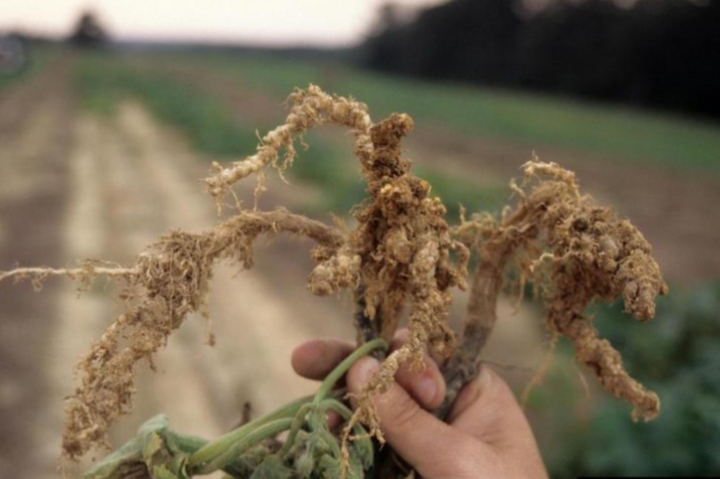
- Swollen knots or galls on roots
- Premature death of plants
Root-knot nematodes especially cause visible swellings on plant roots, preventing proper absorption of water and nutrients.
Vegetables Commonly Affected
Many vegetable crops are vulnerable to nematode attack, including:
- Tomatoes
- Pepper
- Okra
- Cucumber
- Watermelon
- Carrot
- Lettuce
- Eggplant
- Beans
Heavy infestations can destroy entire farms if not controlled early.
Prevention and Control of Nematodes
Crop Rotation
Rotating vegetables with non-host crops such as maize or cereals helps reduce nematode populations in the soil. Continuous planting of the same vegetable should be avoided.
Use Resistant Varieties
Some vegetable varieties are naturally resistant to nematodes. Farmers should select resistant seeds whenever available.
Maintain Field Sanitation
Clean farming practices help prevent the spread of nematodes. Farmers should:
- Remove infected plants
- Clean farm tools regularly
- Avoid moving contaminated soil between fields
Apply Organic Matter
Adding compost, poultry manure, or organic materials improves soil health and reduces nematode activity. Organic matter also encourages beneficial microorganisms that suppress pests naturally.
Solarization
Soil solarization involves covering moist soil with transparent plastic sheets during hot weather for several weeks. The heat trapped under the plastic kills many nematodes and harmful soil organisms.
Use Healthy Seedlings
Farmers should plant disease-free seedlings from reliable sources to avoid introducing nematodes into clean fields.
Proper Irrigation
Good water management reduces plant stress and helps crops tolerate minor nematode damage better.
Biological Control
Some natural organisms such as beneficial fungi and bacteria help control nematodes in the soil. Organic farming methods often encourage these helpful organisms.
Economic Importance
Nematodes reduce both the quality and quantity of vegetable production. Farmers may experience:
- Lower market value of crops
- Reduced harvest
- Increased production costs
- Poor plant growth
In severe cases, farmers may abandon heavily infested fields.
Conclusion
Nematodes are dangerous soil pests that cause serious damage to vegetable crops. They attack plant roots, weaken growth, and reduce yields. Early detection and proper management practices such as crop rotation, field sanitation, use of resistant varieties, and application of organic matter can help control nematode problems effectively.
By maintaining healthy soil and practicing good farm management, farmers can reduce nematode infestations and improve vegetable production.