
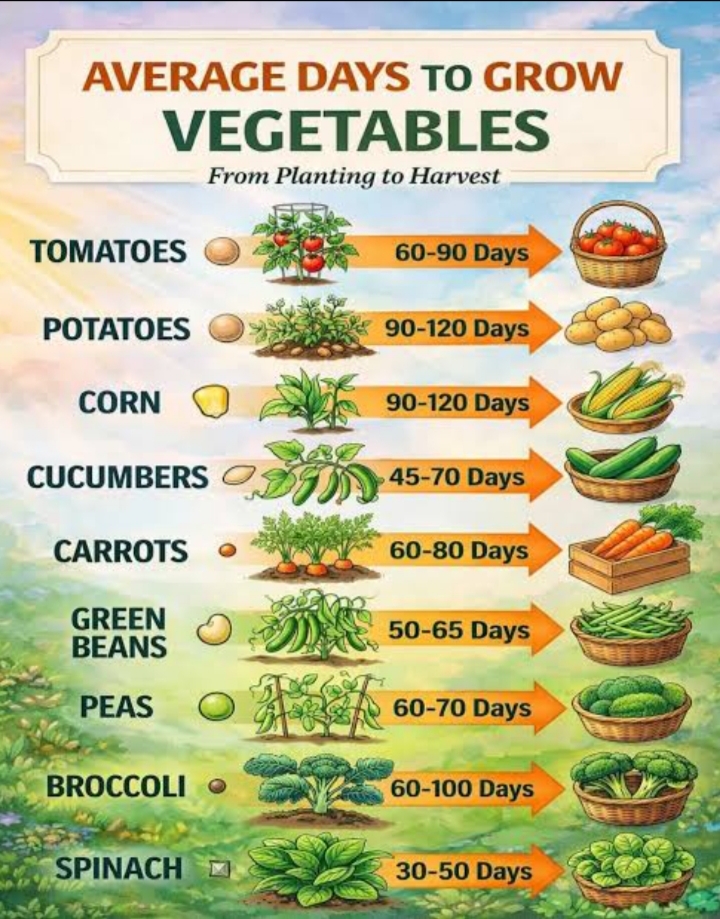
Successful farming depends greatly on proper timing. Planting crops during the right season can improve harvest quality, increase yields, and reduce farming risks. Since different crops perform better under different weather conditions, understanding seasonal planting schedules is essential for productive agriculture.
A planting calendar helps farmers identify the best periods for planting, crop management, and harvesting based on rainfall patterns, temperature, and soil conditions.
Understanding the Rainy Season
The rainy season is a period marked by regular rainfall, increased soil moisture, and cooler weather conditions. In many regions, this season supports the cultivation of various food and cash crops because water is naturally available.
Most rain-fed farming systems rely heavily on this season for successful crop growth.
Benefits of Rainy Season Farming
1. Reduced Irrigation Costs
Natural rainfall minimizes the need for artificial watering systems.
2. Improved Soil Moisture
Moist soil encourages healthy seed germination and proper root development.
3. Ideal for Many Major Crops
Staple crops such as maize, rice, yam, cassava, and several vegetables grow well during this period.
4. Favorable Growing Conditions
Lower temperatures and consistent rainfall often support healthy plant growth.
Challenges of Rainy Season Farming
- Heavy rainfall may cause flooding
- Excess water can damage plant roots
- Weed growth increases rapidly
- Fungal diseases and pests become more common
- Farm access may become difficult during intense rains
Understanding the Dry Season
The dry season is characterized by limited rainfall, hotter temperatures, and lower soil moisture levels. Farming during this period usually depends on irrigation or water conservation techniques.
Although dry-season farming can require more effort, it also creates opportunities for profitable crop production.
Benefits of Dry Season Farming
1. Lower Risk of Fungal Diseases
Dry weather conditions reduce the spread of many moisture-related diseases.
2. Better Weed Management
Weeds generally grow more slowly when water is limited.
3. Higher Market Prices
Fresh produce often becomes more valuable during the dry season due to reduced supply.
4. Easier Harvest and Transportation
Dry weather improves harvesting conditions and road accessibility.
Challenges of Dry Season Farming
- Irrigation systems may increase production costs
- Water shortages can affect crop performance
- High temperatures may stress plants
- Soil loses moisture quickly
- Efficient water management becomes essential
Rainy Season Planting Calendar
Planting schedules vary by location, but many farmers organize their activities around rainfall patterns.
Early Rainy Season Crops
These crops are usually planted after the first consistent rains:
- Maize
- Rice
- Tomatoes
- Pepper
- Okra
- Cucumbers
Recommended Practices
- Prepare farmland before heavy rains begin
- Use high-quality seeds
- Ensure proper drainage systems
Mid-Rainy Season Crops
These crops thrive under steady rainfall conditions:
- Cassava
- Yam
- Sweet potatoes
- Plantain
- Leafy vegetables
Recommended Practices
- Weed regularly
- Monitor pest infestations
- Apply fertilizers carefully
Late Rainy Season Crops
Farmers often choose fast-growing crops before the rainy season ends:
- Beans
- Spinach
- Lettuce
- Carrots
Recommended Practices
- Select quick-maturing crop varieties
- Monitor weather changes closely
- Plan harvest periods properly
Dry Season Planting Calendar
Dry-season farming usually focuses on crops that can perform well under irrigation.
Early Dry Season Crops
These crops are commonly planted while some soil moisture remains:
- Tomatoes
- Pepper
- Watermelon
- Onions
Recommended Practices
- Apply mulch to retain moisture
- Use efficient irrigation systems
- Protect crops from excessive heat
Mid-Dry Season Crops
Vegetable farming is common during this period:
- Cabbage
- Lettuce
- Carrots
- Cucumbers
Recommended Practices
- Water crops consistently
- Monitor plants for heat stress
- Use shading methods if necessary
Late Dry Season Crops
Farmers may begin preparing for the upcoming rainy season:
- Early maize varieties
- Green vegetables
- Herbs
Recommended Practices
- Prepare nurseries and seedbeds early
- Continue irrigation until rainfall begins
- Improve soil with organic materials
Factors That Influence Planting Calendars
Several important factors affect seasonal planting schedules.
1. Climate Conditions
Rainfall and temperature patterns differ across regions.
2. Soil Characteristics
Some soils retain moisture better than others.
3. Crop Type and Variety
Different crops and seed varieties mature at different rates.
4. Water Availability
Access to irrigation can support year-round farming.
5. Market Opportunities
Farmers may adjust planting periods based on demand and pricing.
Importance of a Planting Calendar
A proper planting calendar helps farmers:
- Improve crop productivity
- Reduce farming losses
- Plan labor efficiently
- Harvest at the right time
- Manage pests and diseases effectively
- Increase profitability
It also helps farmers prepare seeds, fertilizers, irrigation equipment, and other farming inputs in advance.
Tips for Successful Seasonal Farming
1. Follow Weather Updates
Monitoring weather forecasts helps farmers prepare for changing conditions.
2. Practice Crop Rotation
Rotating crops improves soil quality and reduces disease buildup.
3. Use Improved Seeds
Quality seeds often perform better under difficult weather conditions.
4. Conserve Water Efficiently
Good irrigation practices reduce water waste during dry periods.
5. Maintain Soil Fertility
Organic manure and fertilizers help support healthy crop growth.
Final Thoughts
Understanding the differences between rainy season and dry season farming is important for effective agricultural planning. Each season presents unique benefits and challenges, and farmers who follow structured planting calendars are more likely to achieve better yields and long-term sustainability.
By choosing suitable crops, preparing properly, and adapting to seasonal weather patterns, farmers can maintain steady productivity throughout the year.