
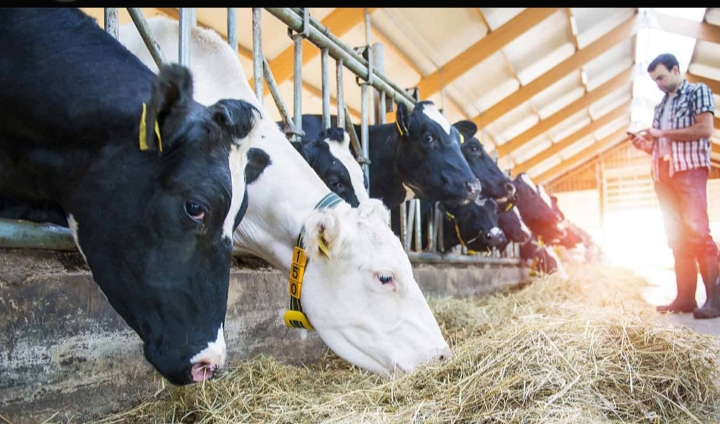
Effective nutrition is a key factor in the success of dairy farming. A well-balanced diet is essential not only for maximizing milk production but also for supporting herd health, reproductive performance, and overall well-being. Dairy cattle have specific nutritional needs that vary based on factors like age, weight, lactation stage, and production goals. Understanding the importance of balanced feeding is critical for boosting both animal welfare and farm profitability.
The Nutritional Needs of Dairy Cattle
Dairy cows require a mix of nutrients to maintain bodily functions and produce milk effectively. These nutrients include:
- Energy
- Protein
- Fiber
- Minerals
- Vitamins
- Water
Each of these components plays a vital role in supporting the growth, lactation, reproduction, and immune system of dairy cattle.
- Energy: The Fuel for Milk Production
Energy is the most crucial element in a dairy cow’s diet, providing the necessary fuel for daily activities, body maintenance, and milk production. Key sources of energy include:
Grains (corn, barley, wheat)
Forages (silage, hay, pasture)
By-products (such as molasses and beet pulp)
If a cow doesn’t consume enough energy, milk production can decrease, body condition may suffer, and metabolic disorders can arise. However, too much energy can lead to obesity and calving complications.
- Protein: Essential for Growth and Milk Production
Protein is vital for the synthesis of milk protein, muscle development, and tissue repair. Dairy cattle need two main types of protein:
Rumen Degradable Protein (RDP): Digested in the rumen, supporting microbial growth.
Rumen Undegradable Protein (RUP): Bypasses the rumen and is digested in the small intestine.
Common protein sources include soybean meal, alfalfa, and canola meal. Maintaining the right balance of these proteins is crucial for optimizing milk production and overall health.
- Fiber: Supporting Digestive Health
Fiber plays a crucial role in maintaining healthy rumen function. It stimulates chewing and saliva production, which helps regulate rumen pH and prevents digestive disorders like acidosis.
Good fiber sources include:
- Hay
- Silage
- Grasses from pasture
The length and quality of fiber are key to ensuring proper rumination and digestion.
- Minerals and Vitamins: Micronutrients for Overall Health
Though required in smaller quantities, minerals and vitamins are essential for many metabolic processes and immune functions.
Important Minerals:
- Calcium and phosphorus: Crucial for bone development and milk production.
- Magnesium: Prevents grass tetany, especially in early lactation.
- Sodium and potassium: Essential for maintaining fluid balance.
- Trace minerals (zinc, copper, selenium): Support immunity and reproductive health.
Key Vitamins:
- Vitamin A
- Vitamin D
- Vitamin E
Deficiencies in these nutrients can lead to health issues, decreased fertility, and lower productivity.
- Water: The Most Important Nutrient
Water is often overlooked, but it’s the most vital nutrient for dairy cattle. Since milk is approximately 85–90% water, cows producing large amounts of milk need constant access to clean, fresh water.
Proper hydration supports overall feed intake and helps sustain milk yield.
What Does Balanced Feeding Mean?
Balanced feeding refers to providing the right amounts of each nutrient to meet the cow’s specific needs without over- or under-feeding. A balanced diet considers:
- Stage of lactation (early, mid, late)
- Body condition score
- Milk production levels
- Pregnancy status
- Age and weight
By ensuring a nutritionally complete ration, farmers can optimize milk production, improve health, and enhance farm profitability.
Total Mixed Ration (TMR) System
Many dairy farms adopt the Total Mixed Ration (TMR) system, where all ingredients are mixed together and served as one complete feed. This approach:
- Prevents selective feeding
- Ensures consistent nutrient intake
- Enhances rumen stability
- Boosts milk production
TMR helps ensure that cows get the right nutrients in every bite, leading to improved health and productivity.
Nutrition During Different Stages of Lactation
- Early lactation
In the early lactation period, cows may experience a negative energy balance due to high milk production. Their diet should be energy-dense and highly digestible to support milk synthesis.
- Mid Lactation
During mid-lactation, milk yield stabilizes, and the focus shifts to maintaining optimal production levels and body condition.
- Late Lactation
Milk production begins to decline, and the diet should focus on replenishing body reserves in preparation for the next lactation.
- Dry Period
Proper nutrition during the dry period is essential for preparing cows for calving and minimizing the risk of metabolic disorders.
Common Nutritional Disorders
Poor nutrition can lead to a range of metabolic and health disorders, including:
- Ketosis
- Milk fever (calcium deficiency)
- Acidosis
- Bloat
- Fatty liver syndrome
- Balanced feeding helps prevent these costly health issues.
Benefits of Proper Dairy Nutrition
When dairy cows receive the right nutrition, it leads to:
- Increased milk production
- Improved milk composition
- Better reproductive outcomes
- Stronger immunity
- Reduced veterinary costs
- Longer-lasting cows
A focus on balanced nutrition directly translates to improved farm profitability and long-term success.
Feeding dairy cattle requires more than just providing food it’s about offering a carefully planned, nutritionally balanced diet tailored to the cows’ specific needs. By providing the right balance of energy, protein, fiber, minerals, and vitamins, farmers can maximize milk production, improve herd health, and optimize profitability.
By understanding the nutritional requirements of dairy cows at different stages of their lactation cycle and using effective feeding strategies like TMR, farmers can ensure sustainable and successful dairy operations. Proper nutrition is the backbone of high milk yields, healthy animals, and a thriving dairy farm.