
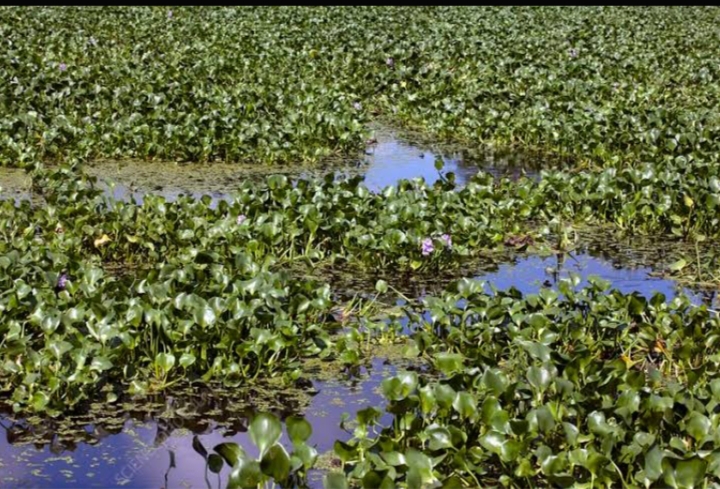
Managing wastewater is an increasing challenge around the world due to population growth, industrialization, and urban expansion. Traditional wastewater treatment methods often rely on chemical processes and mechanical systems, which can be costly, energy intensive, and sometimes harmful to the environment. Recently, aquatic plants have emerged as a natural, sustainable, and cost-effective alternative for cleaning and treating wastewater.
What Are Aquatic Plants?
Aquatic plants, also known as hydrophytes, are plants adapted to grow in water-rich environments. They may be fully submerged, partially submerged, or float on the water surface. Examples include water hyacinth, duckweed, cattails, and reed grasses. These plants have a remarkable ability to absorb nutrients, heavy metals, and organic pollutants from water, making them highly effective in wastewater treatment.
How Aquatic Plants Purify Wastewater
Aquatic plants clean water through several natural processes:
1.Nutrient Uptake
These plants absorb nitrogen, phosphorus, and other nutrients from wastewater, reducing the risk of eutrophication, which can cause harmful algal blooms and oxygen depletion in water bodies.
2.Heavy Metal Removal
Certain species can take up heavy metals such as lead, cadmium, and mercury through a process called phytoaccumulation, storing or detoxifying these contaminants.
3.Supporting Microorganisms
Roots provide surfaces for beneficial microbes to attach, helping break down organic pollutants and lower biochemical oxygen demand (BOD).
4.Filtration and Sedimentation
Emergent and floating plants slow water flow, allowing sediments to settle. Their dense roots act as natural filters, trapping debris and suspended particles.
Key Aquatic Plants Used in Treatment
1.Water Hyacinth (Eichhornia crassipes): Rapid-growing, highly effective in removing nutrients and heavy metals.
2.Duckweed (Lemna minor): Small, fast-growing, excellent at reducing nitrogen and phosphorus.
3.Cattails (Typha spp.): Filter sediments effectively and enhance microbial breakdown of pollutants.
4.Reed Grass (Phragmites australis): Dense root systems improve filtration and pollutant degradation.
Advantages of Aquatic Plant-Based Treatment
1.Cost-Efficient: Requires less infrastructure than conventional treatment plants.
2.Eco-Friendly: Reduces reliance on chemicals and lowers energy consumption.
3.Sustainable: Harvested plants can be used for compost, biofuel, or animal feed.
4.Ecological Benefits: Supports wildlife habitats and improves water quality naturally.
Challenges to Consider
1.Invasive Potential: Some species, like water hyacinth, can grow uncontrollably.
2.Seasonal Limitations: Efficiency varies with sunlight, temperature, and seasonal conditions.
3.Biomass Management: Regular harvesting is necessary to prevent decay and secondary pollution.
4.Limited Pollutant Removal: Industrial chemicals and pathogens may require additional treatment steps.
Future Opportunities
Constructed wetlands and integrated wastewater systems show that aquatic plants can be a central component of sustainable water management. Combining plant-based systems with mechanical or biological processes enhances efficiency and makes them viable for both rural and urban areas. Advances in plant biotechnology may further improve nutrient uptake and pollutant removal capabilities.
However,Aquatic plants offer a green and effective approach to wastewater treatment. By absorbing nutrients, filtering sediments, and supporting microbial activity, they provide an environmentally friendly alternative to conventional methods. When carefully managed and integrated into treatment systems, aquatic plants can help achieve cleaner water, healthier ecosystems, and cost effective wastewater solutions.