
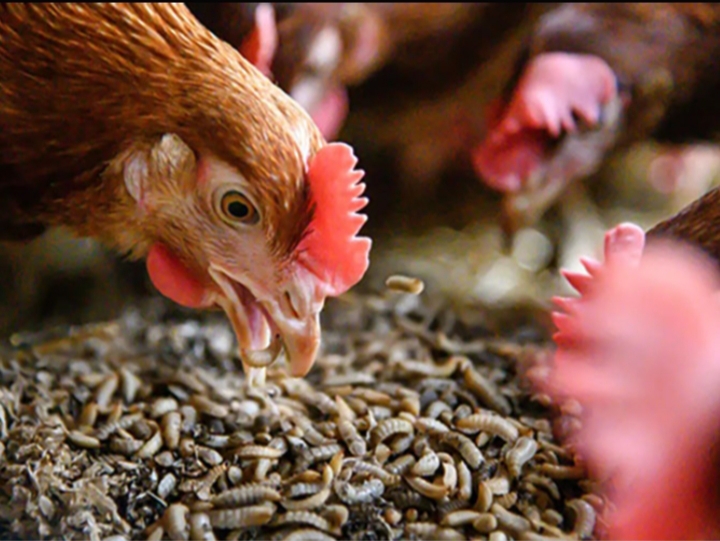
The use of Black soldier fly larvae as livestock feed is becoming increasingly popular as a cheaper and more sustainable alternative to conventional protein sources like fishmeal and soy-based feeds. For many farmers, especially in countries like Nigeria where feed costs are high, it offers a practical way to reduce expenses while maintaining animal nutrition.
Why Farmers Are Interested
Feed takes up a large share of livestock production costs. Black soldier fly larvae provide a locally producible protein source that can be grown using organic waste such as kitchen scraps, crop residues, and other biodegradable materials. This turns waste into a useful input, making the system both economical and environmentally friendly.
Nutritional Benefits
The larvae are highly nutritious and suitable for different types of livestock. They contain:
- A high level of protein for growth and development
- Useful fats that supply energy
- Essential minerals like calcium and phosphorus
Because of this, they are commonly used in feeding poultry, fish, and pigs.
Advantages for Farming Systems
One major benefit is reduced feed expenditure. Farmers who produce their own larvae can significantly cut down on the cost of commercial feeds. The process also promotes sustainability by reducing waste and dependence on imported ingredients.
Another added advantage is that the leftover material from larvae production can serve as organic fertilizer, supporting crop farming as well.
Production Process Overview
The process involves setting up a simple breeding system where organic waste is placed in containers that attract or house the larvae. The larvae feed on the waste, grow rapidly, and are harvested within a few weeks. They are then processed—often dried—before being mixed into animal feed.
It is relatively low-tech and can be done on a small or large scale depending on the farmer’s capacity.
Possible Challenges
Despite its benefits, there are some difficulties. Maintaining cleanliness, controlling odor, and ensuring steady production require attention. Farmers also need time to learn the best conditions for optimal growth and harvesting.
In some regions, regulations around insect-based feed are still developing, so awareness of local rules is important.
Growing Use in Africa
Interest in BSFL farming is increasing across Africa, including Nigeria, where agricultural innovators and small-scale farmers are exploring it as a sustainable feed option. Many start with small pilot systems before expanding once they understand the process better.
Conclusion
Black soldier fly larvae are not a complete replacement for all feed types, but they offer a strong solution to one of livestock farming’s biggest challenges cost. With proper management, they can help farmers reduce expenses, recycle waste, and improve sustainability in their operations.