
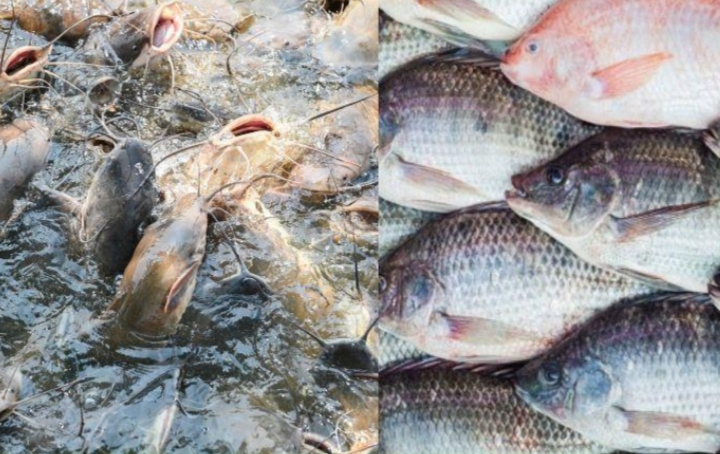
Fish farming has become a major income source for many entrepreneurs, particularly in regions with strong demand for affordable protein. Among the most widely cultivated species are catfish and tilapia. While both are profitable, they differ significantly in startup requirements, management style, and overall returns.
General Overview
Catfish farming is often favored for its high market value and the species’ ability to survive in tough conditions. These fish grow relatively quickly and are widely consumed, especially in local dishes.
Tilapia farming, in contrast, is known for simplicity and accessibility. Tilapia adapt easily to different environments and reproduce quickly, making them a common choice for beginners.
Initial Investment
Starting a catfish farm usually involves higher costs. Farmers often invest in concrete or lined ponds, purchase quality juveniles, and rely on protein-rich commercial feed.
Tilapia farming is generally less expensive to begin. It can be done in earthen ponds with lower-cost inputs, and the fish can partially depend on natural food in the water.
Summary: Tilapia requires less capital to get started.
Growth and Production Cycle
Catfish tend to mature faster and reach larger sizes within a shorter time frame—typically around four to six months.
Tilapia take slightly longer to grow and are usually smaller at harvest. Their rapid breeding can become a challenge if population control measures are not in place.
Summary: Catfish provide quicker and heavier yields.
Feeding Costs
Feeding is the biggest expense in fish farming.
Catfish require high-protein diets and consume more feed, increasing production costs.
Tilapia, however, need less protein and can feed on natural pond organisms, which helps reduce expenses.
Summary: Tilapia are cheaper to feed and maintain.
Market Value and Demand
Catfish often sell at higher prices due to strong local demand and their versatility in cooking.
Tilapia are also popular but typically fetch lower prices and may face competition from imported fish products.
Summary: Catfish usually generate more revenue per kilogram.
Risk and Survival
Catfish are tough and can withstand less-than-ideal water conditions, though they may exhibit cannibalism if not properly managed.
Tilapia have high survival rates but tend to overpopulate quickly, which can limit growth if left unchecked.
Summary: Both species are hardy, but each requires specific management strategies.
Profit Illustration (Per 1,000 Fish)
- Catfish: Higher investment but greater returns overall
- Tilapia: Lower costs with more modest profits
In most cases, catfish farming delivers higher net income, while tilapia offers a safer and more affordable entry point.
Final Thoughts
The better option depends on your resources and goals. Catfish farming suits those who can invest more and manage intensive systems for higher profits. Tilapia farming is ideal for those seeking a simpler, lower-cost approach with steady returns.
For many farmers, combining both species can provide a balanced strategy reducing risk while maximizing income opportunities.