
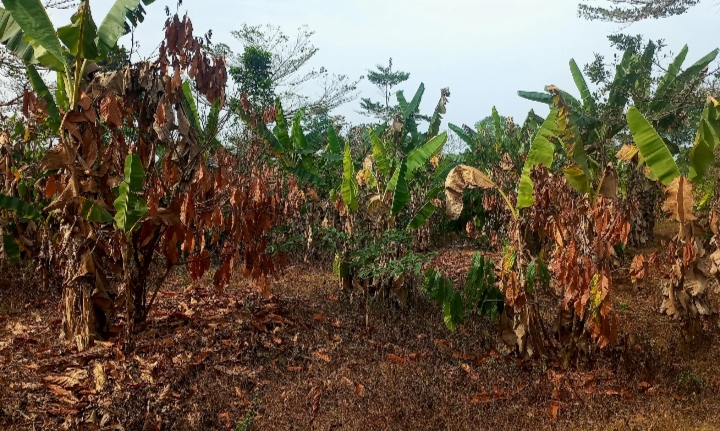
Cocoa is a key agricultural commodity in many tropical regions, providing income for millions of farmers and supporting national economies. Over time, however, many cocoa farms grow old and less productive due to factors such as declining soil fertility, pest attacks, diseases, and poor management. Instead of abandoning these farms, rehabilitation presents a more efficient way to restore their productivity and sustain farmers’ incomes.
Causes of Decline in Cocoa Farms
Cocoa trees naturally lose productivity after about 20–30 years. Several factors contribute to this decline, including:
- Aging trees that produce fewer pods
- Pest infestations, especially mirids
- Diseases such as black pod and swollen shoot virus
- Loss of soil nutrients
- Inadequate farm maintenance
If these challenges are not addressed, farms become less profitable and may eventually be neglected.
Meaning of Cocoa Rehabilitation
Cocoa rehabilitation refers to the process of improving and restoring the productivity of existing cocoa farms rather than creating new ones. It involves enhancing tree performance, replenishing soil nutrients, and adopting improved farming practices. This approach is often more economical and environmentally friendly than clearing new land for cocoa cultivation.
Main Rehabilitation Methods
1. Pruning and Managing Tree Canopy
Cutting away dead, infected, or excess branches allows better sunlight and airflow within the farm. This helps reduce disease spread and encourages healthy growth.
2. Replanting and Filling Empty Spaces
Replacing unproductive trees and planting new ones in vacant spots helps increase overall farm yield over time.