
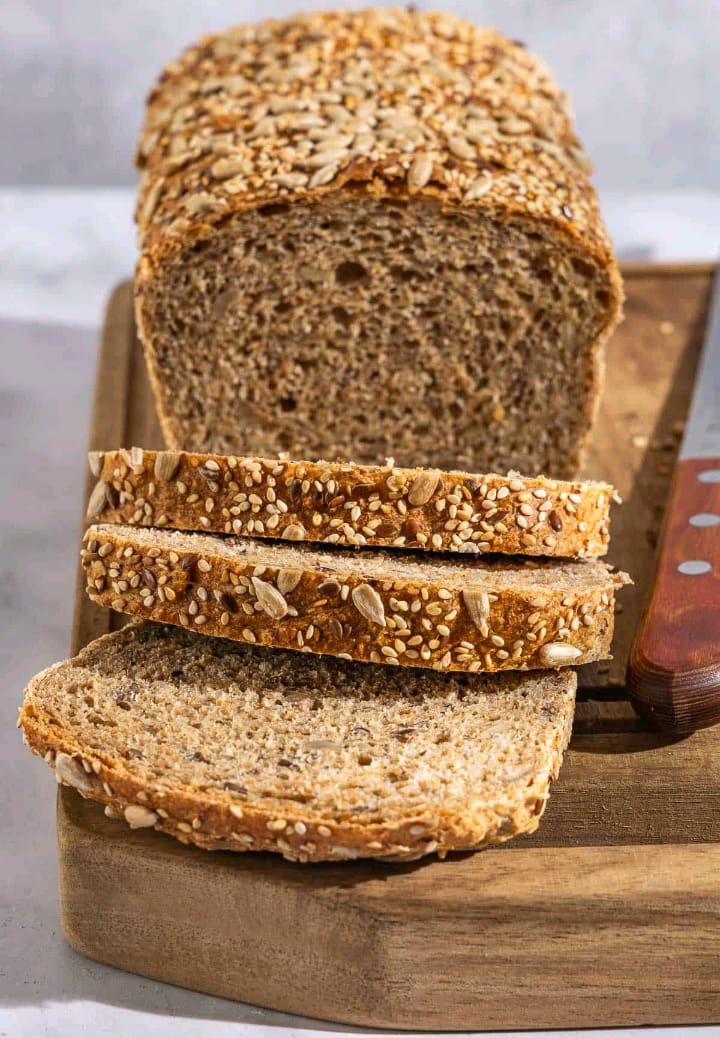
Whole grain bread is considered one of the most nutritious types of bread available today. Unlike refined bread products that are made from processed grains, whole grain bread is produced using grains that keep all their natural parts intact. These parts include the bran, germ, and endosperm, each of which contributes important nutrients that support good health. With increasing awareness of healthy eating habits, many people now prefer whole grain bread because of its rich nutritional content and positive effects on overall well-being.
What Are Whole Grains?
Whole grains consist of three main components of the grain kernel: the bran, germ, and endosperm. The bran forms the outer protective layer and contains a high amount of dietary fiber, antioxidants, and B vitamins. The germ is the inner section that is packed with essential nutrients such as vitamins, minerals, healthy fats, and antioxidants. The endosperm is the largest portion of the grain and mainly provides carbohydrates along with some protein.
When grains are refined to produce white flour, the bran and germ are often removed during processing. This removal reduces the nutritional quality of the grain. Whole grain bread, however, is made from grains that retain these parts, which helps preserve their natural nutritional value.
Important Nutrients Found in Whole Grain Bread
Whole grain bread contains several nutrients that are essential for maintaining good health. One of the most significant nutrients present is dietary fiber. Fiber helps maintain a healthy digestive system by supporting regular bowel movement and preventing constipation. It also contributes to controlling blood sugar levels and reducing cholesterol.
In addition, whole grain bread supplies various B vitamins, including thiamine, riboflavin, niacin, and folate. These vitamins play a key role in energy production, brain function, and the proper functioning of the nervous system. Whole grain bread also contains important minerals such as iron, magnesium, zinc, and selenium. These minerals support many body processes including immune function, bone strength, and the transportation of oxygen in the bloodstream.
Although bread is not primarily known as a protein-rich food, whole grain bread still contributes a moderate amount of protein that helps in tissue repair, body growth, and muscle maintenance.
Health Advantages of Whole Grain Bread
Including whole grain bread in the diet can offer several health benefits. One of the main advantages is improved digestion due to its high fiber content. Fiber helps food move efficiently through the digestive system and supports beneficial gut bacteria.
Whole grain bread can also contribute to better heart health. Diets that include whole grains have been associated with a lower risk of heart disease because they may help reduce cholesterol levels and regulate blood pressure.
Another benefit is its role in weight control. The fiber found in whole grain bread helps individuals feel fuller for longer periods, which may reduce excessive eating and support healthy weight management.
Furthermore, whole grain bread helps maintain stable blood sugar levels. The complex carbohydrates present in whole grains are digested more slowly compared to refined carbohydrates, preventing sudden increases in blood glucose and lowering the risk of developing type 2 diabetes.
Comparison Between Whole Grain Bread and White Bread
There are clear nutritional differences between whole grain bread and white bread. White bread is commonly made from refined flour that has lost much of its fiber, vitamins, and minerals during processing. As a result, it mainly provides simple carbohydrates with limited nutritional value. Whole grain bread, on the other hand, retains its natural nutrients, making it a healthier and more balanced dietary option.
Conclusion
Whole grain bread is a nutritious food that provides many essential nutrients needed for a healthy body. Its high levels of fiber, vitamins, minerals, and complex carbohydrates contribute to improved digestion, heart health, stable blood sugar levels, and overall wellness. Choosing whole grain bread instead of refined bread products can therefore play an important role in maintaining a balanced and healthy diet.