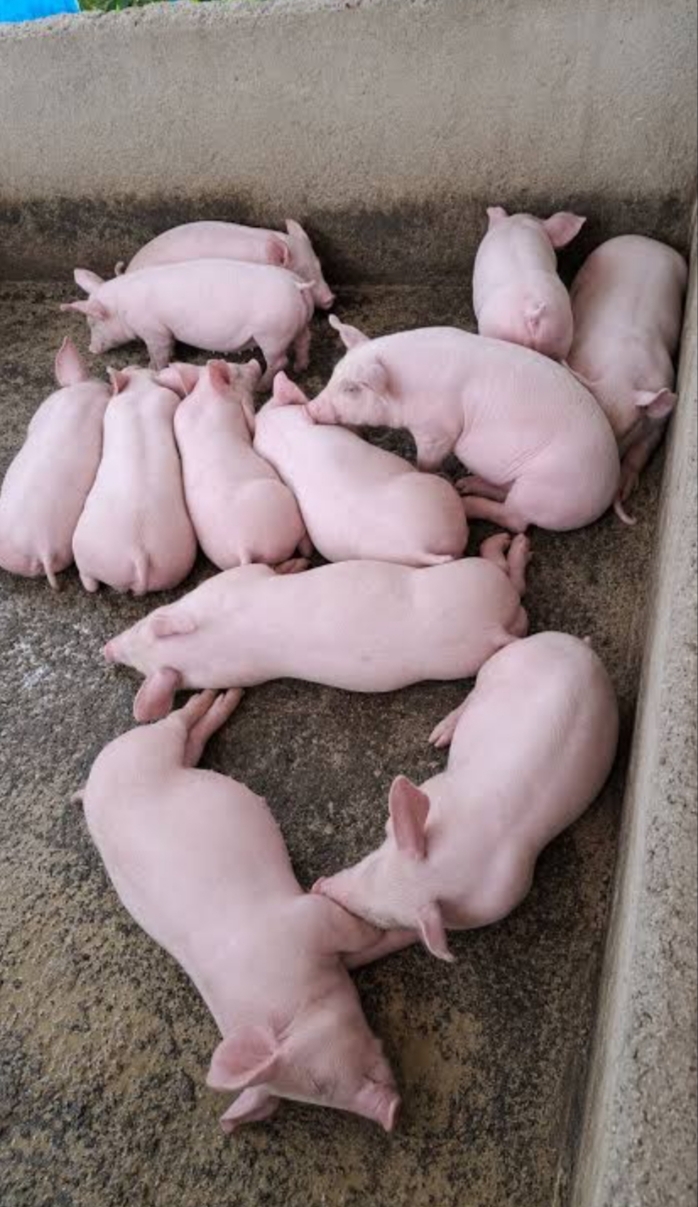
Pig farming can become a profitable agricultural venture when it is properly planned and managed. However, it is not a business where simply buying pigs and waiting for them to grow guarantees a profit. Many beginners lose money because they start with unrealistic expectations about feeding, growth, health, breeding, and marketing.
Understanding common misconceptions before investing can help new farmers avoid costly mistakes.
Myth 1: “Pigs Are Inexpensive to Feed”
Feed is often one of the largest expenses in pig production. Pigs need balanced nutrition to grow efficiently, maintain good health, and reach market weight.
Some beginners assume that kitchen leftovers or whatever food is available will be enough. Although certain appropriate by-products may be incorporated into a feeding programme, relying on nutritionally inadequate feed can slow growth and increase production costs.
Before buying pigs, work out how much feed they are likely to require and what it will cost. A pig that sells for a good price may still produce little profit if feeding expenses are too high.
Myth 2: “More Pigs Automatically Mean More Profit”
Expanding your herd can increase potential revenue, but it also increases your expenses.
More pigs require additional feed, housing, water, labour, healthcare, and waste management. If you expand beyond what your finances and management skills can support, losses can grow just as quickly as revenue.
For beginners, starting with a manageable number of animals can provide an opportunity to gain experience before increasing the scale of the farm.
Myth 3: “Pigs Grow So Quickly That You’ll Make Fast Money”
Pigs can gain weight efficiently under suitable conditions, but their growth is influenced by genetics, nutrition, health, housing, and overall management.
Poor feeding or unhealthy living conditions can slow growth and increase the amount of money spent on each animal.
Instead of planning around an ideal growth rate, use realistic estimates based on the breed, management system, and conditions on your farm.
Myth 4: “Any Pig Can Be Used for Breeding”
Choosing breeding animals requires more thought than simply selecting the cheapest pigs available.
Potential breeding stock should be healthy and carefully evaluated for desirable characteristics such as growth, reproductive performance, physical condition, and genetic background where reliable information is available.
Poor breeding choices can lead to weak reproductive performance, smaller or less productive litters, and other problems that affect farm profitability.
Myth 5: “Pigs Don’t Get Sick Easily”
Pigs can suffer from infectious diseases, parasites, nutritional deficiencies, and stress-related problems. Some illnesses can spread rapidly and cause significant financial losses.
Small farms should not assume that biosecurity is only necessary for large commercial operations.
Good practices include maintaining clean facilities, limiting unnecessary visitors, separating sick animals, controlling contact with other pigs, and seeking veterinary advice when necessary.
Myth 6: “There Will Always Be a Buyer”
Having pigs ready for sale does not mean you will automatically receive a profitable price.
Prices can be influenced by supply and demand, location, season, animal size, buyer requirements, and other market conditions.
Before purchasing pigs, identify potential buyers and learn what they want. Understanding the market in advance can help you make better decisions about production and timing.
Myth 7: “Record Keeping Is Only Necessary for Big Farms”
Even a small pig farm needs accurate records.
Keep track of expenses such as pig purchases, feed, medication, labour, transportation, and equipment. You should also record growth, health problems, deaths, breeding results, and sales.
Without records, it is difficult to determine whether the farm is genuinely profitable.
A basic calculation is:
Profit = Total Revenue − Total Costs
The numbers may reveal that a farm making regular sales is not necessarily making a meaningful profit.
Myth 8: “The Cheapest Housing Will Save Money”
Reducing construction costs can be useful, but extremely cheap housing may create bigger expenses later.
Poor ventilation, inadequate drainage, overcrowding, unsafe floors, limited access to water, and difficult-to-clean pens can contribute to health and management problems.
Instead of focusing solely on the lowest construction price, invest in housing that is durable, hygienic, safe, and suitable for the number of pigs you plan to keep.
Myth 9: “I Can Look for Buyers After the Pigs Are Ready”
Waiting until the pigs are ready for sale before thinking about marketing can put farmers in a difficult position.
A better approach is to identify potential buyers before starting production. Find out what sizes they prefer, how they determine prices, when demand is strongest, and what quantities they normally purchase.
Planning the market alongside production can reduce the risk of having to accept a poor offer simply because the animals are ready to leave the farm.
Myth 10: “Using More Medication Keeps Pigs Healthy”
Giving animals unnecessary medication does not replace good husbandry.
Healthy pigs need appropriate nutrition, clean water, proper housing, good hygiene, effective biosecurity, and suitable veterinary care.
If an animal becomes sick, seek advice from a qualified veterinary professional and use medicines according to proper instructions. Avoid treating animals unnecessarily or assuming that medication can compensate for poor management.
Myth 11: “Unexpected Expenses Won’t Be a Problem”
Farming rarely goes exactly according to plan.
Feed prices may increase, equipment may break down, animals may become sick, unexpected deaths may occur, or market prices may fall.
Beginners should therefore include a financial reserve in their business plan where possible. Having money available for emergencies can prevent a temporary problem from becoming a major financial crisis.
Myth 12: “Pig Farming Is Only About Raising Pigs”
Producing healthy pigs is important, but pig farming is also a business.
A farmer can have healthy animals and still lose money through expensive feed, poor purchasing decisions, inadequate records, weak marketing, or poor financial planning.
Successful farmers pay attention to both animal care and business performance.
How Beginners Can Avoid Losing Money
Before starting a pig enterprise, create a realistic budget. Consider the cost of:
- Purchasing piglets or breeding animals.
- Feed and supplements.
- Housing and equipment.
- Water and electricity.
- Veterinary care.
- Labour.
- Transportation.
- Marketing and sales.
- Unexpected expenses.
- Potential animal losses.
Start with a herd size you can comfortably manage. Keep accurate records from the beginning and regularly compare your expenses with your sales revenue.
Most importantly, avoid expanding simply because the first few animals appear profitable. Expansion should be based on reliable numbers and adequate resources.
Conclusion
Pig farming can be a rewarding business, but unrealistic expectations can quickly turn it into an expensive venture. Believing that pigs are cheap to feed, grow automatically, rarely get sick, or will always have buyers can lead beginners into serious financial mistakes.
The safer approach is to treat pig farming as a business from day one. Understand your production costs, maintain good animal health, research your market, keep detailed records, and make decisions based on actual figures rather than assumptions.