
Introduction
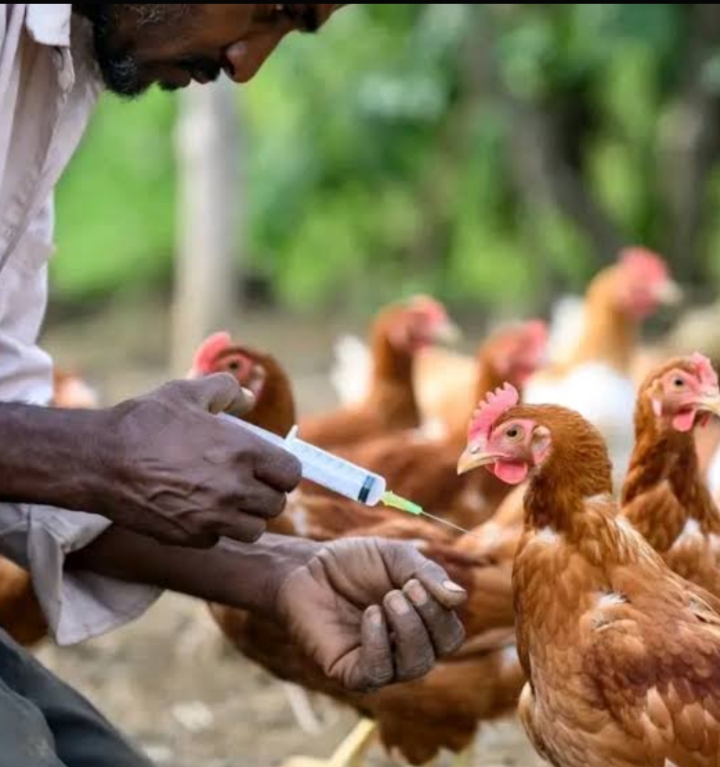
Newcastle disease (ND) is a fast-spreading viral infection that affects both domestic and wild birds, especially chickens. It can lead to heavy economic losses through high death rates, poor egg production, and restrictions on poultry trade. Vaccination is the most reliable control measure, but its effectiveness depends on proper timing, vaccine selection, and administration.
Types of Newcastle Disease Vaccines
1. Live (attenuated) vaccines
These vaccines are widely used for routine protection. They act quickly but usually require follow-up doses to maintain immunity. Common strains include Lasota and Hitchner B1.
2. Inactivated (killed) vaccines
These are oil-based vaccines given by injection. They provide longer-lasting immunity and are typically used in layers and breeder birds after initial doses of live vaccines.
Key Factors Affecting Vaccination Programs
An appropriate vaccination schedule depends on:
- The category of birds (broilers, layers, breeders)
- The level of disease risk in the area
- Maternal antibodies present in young chicks
- Farm management and biosecurity standards
- Availability and proper handling of vaccines
Suggested Vaccination Schedules
1. Broiler Chickens (Short Production Period: 5–8 weeks)
Because broilers grow quickly, early protection is essential:
- Day 1: Live vaccine (Hitchner B1) via eye drop or drinking water
- Day 10–14: Booster dose (Lasota) through drinking water
- (In high-risk areas)
- Day 21–28: Additional booster (Lasota)
2. Layer Chickens (Long-Term Production)
Layers require continuous immunity throughout their laying period:
- Day 1: Hitchner B1 vaccine
- Week 2–3: Lasota booster
- Week 6–8: Second live vaccine (Lasota or Komarov)
- Week 10–12: Inactivated vaccine via injection
- During laying (every 2–3 months): Booster with Lasota vaccine
3. Breeder Birds
Breeders need strong immunity to protect both themselves and their chicks:
- Day 1: Hitchner B1
- Week 2–3: Lasota
- Week 6–8: Komarov strain
- Week 10–12: First inactivated vaccine
- Week 16–18 (pre-lay): Second inactivated vaccine
- During production: Booster doses every 2–3 months
Methods of Administering Vaccines
- Eye drop or nasal method: Ensures accurate dosing; ideal for small flocks
- Drinking water: Suitable for large flocks but requires clean, chlorine-free water
- Spray method: Often used in hatcheries for mass application
- Injection: Applied for inactivated vaccines
Tips for Successful Vaccination
- Keep vaccines refrigerated at 2–8°C
- Use vaccines immediately after mixing
- Protect vaccines from sunlight and disinfectants
- Vaccinate only healthy, unstressed birds
- Combine vaccination with strict biosecurity measures
Common Challenges
- Maternal antibodies may reduce vaccine effectiveness in young chicks
- Improper storage or handling can damage vaccine quality
- Uneven application can result in poor flock immunity
- New, more virulent strains may require updated vaccination approaches
Conclusion
An effective vaccination plan is essential for preventing Newcastle disease in poultry flocks. While standard guidelines provide a good foundation, vaccination schedules should be adapted to local conditions and supported by veterinary guidance. When combined with proper farm management and biosecurity, vaccination offers strong protection against disease outbreaks.