
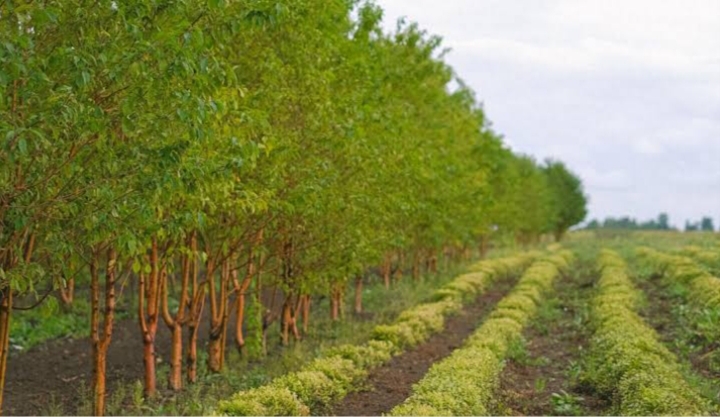
Agroforestry is a land-use system where trees are grown alongside crops, and sometimes livestock, on the same farm. Instead of separating farmland from forests, it blends them into one integrated and productive ecosystem. For many farmers in countries like Nigeria, it offers a practical way to earn more while maintaining soil health and environmental balance.
How It Functions
In this system, trees are intentionally planted within or around crop fields. These trees serve multiple purposes they may produce fruits, nuts, timber, or fuelwood. At the same time, crops such as maize, yam, or vegetables are cultivated between them, making efficient use of available land.
The approach creates a multi-layered farm where different plants coexist and support one another.
Reasons Farmers Embrace It
A key advantage is the ability to generate multiple income streams. Farmers are not dependent on a single harvest because they can earn from:
- Short-term crops
- Medium-term tree products like fruits
- Long-term resources such as timber
This mix helps create more financial stability over time.
Environmental Advantages
Agroforestry improves the condition of the soil and surrounding environment. Trees help to:
- Prevent soil erosion
- Retain moisture in the ground
- Enrich soil with organic matter
- Support wildlife and beneficial insects
These effects are especially valuable in areas where farmland is under pressure or soil quality is declining.
Boosting Farm Output
When properly planned, agroforestry can enhance productivity. Trees provide partial shade that protects crops from extreme heat, while their deep roots help bring nutrients closer to the surface. Some species also improve soil fertility naturally.
Steady and Diversified Income
Unlike traditional farming systems that rely on seasonal harvests, agroforestry spreads income across different timeframes:
- Fast-growing crops bring early returns
- Fruit-bearing trees provide mid-term income
- Timber trees offer long-term financial gains
This staggered structure helps farmers maintain cash flow throughout the year.
Key Challenges
Despite its benefits, agroforestry requires careful planning. Trees must be selected and spaced properly to avoid competing with crops for sunlight and nutrients. It also demands patience since tree-based returns take time to develop.
Knowledge and training are often needed to manage the system effectively.
Growing Interest in Nigeria
In Nigeria and other parts of Africa, agroforestry is gaining attention as a sustainable solution to deforestation, land scarcity, and food insecurity. More farmers are being encouraged to integrate trees into their farms rather than clearing them completely.
Agroforestry is a long-term farming strategy that blends productivity with sustainability. By combining trees, crops, and income sources on the same land, farmers can build more resilient and profitable agricultural systems.