
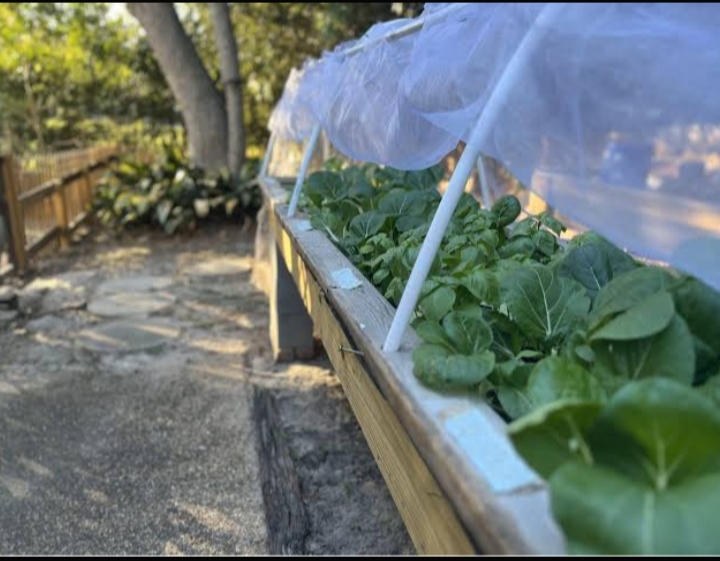
Hydroponics can work in hot environments, but success depends heavily on plant selection and how well you manage heat. High temperatures and warm nutrient water can stress plants, so choosing heat-tolerant crops is essential.
Leafy Greens That Can Cope with Heat
Some leafy vegetables can survive warm conditions, especially with shade and good system management:
- Amaranth (often called African spinach)
- Water spinach
- New Zealand spinach
- Swiss chard
Standard lettuce varieties and true spinach usually struggle unless the system is actively cooled.
Herbs That Handle Warm Conditions
Many herbs actually prefer heat and do well in hydroponic systems:
- Basil (including Thai basil)
- Mint
- Coriander (though it may mature quickly in heat)
- Lemongrass
These herbs are generally more resilient in tropical environments.
Fruiting Vegetables That Thrive
Fruiting crops are often the most reliable in hot hydroponic setups:
- Tomatoes (heat-tolerant varieties work best)
- Peppers and chilies
- Cucumbers
- Okra
They tolerate warmer root zones better than many leafy crops.
Tropical Crops That Do Especially Well
Plants native to warm climates tend to perform best overall:
- Bitter leaf
- African eggplant (garden eggs)
- Malabar spinach
- Yard-long beans
These crops are naturally adapted to heat and humidity.
Crops That Struggle in Heat
Some plants are sensitive to high temperatures and usually require cooling systems:
- Lettuce varieties
- Spinach
- Kale in extreme heat
- Strawberries
The main issue is not just air temperature but warm nutrient solutions, which reduce oxygen availability to roots.
Why Heat Creates Problems
In hydroponics, excessive heat can lead to:
- Lower oxygen levels in water
- Faster algae growth
- Nutrient imbalance
- Increased plant stress and early flowering
Root systems are especially affected when water temperatures rise too much.
How Growers Manage Hot Conditions
To improve results, growers often:
- Use shade nets or ventilated greenhouses
- Insulate or cool nutrient reservoirs
- Circulate water during cooler hours
- Reduce direct sunlight exposure
Even simple adjustments can make a big difference.
Bottom Line
Hydroponics in hot climates works best when you choose crops suited to warmth rather than trying to force cool-weather plants to adapt.
The most reliable performers are:
- Tropical vegetables
- Fruiting crops like tomatoes and peppers
- Heat-tolerant greens such as amaranth and water spinach
Success comes from working with the climate, not against it.