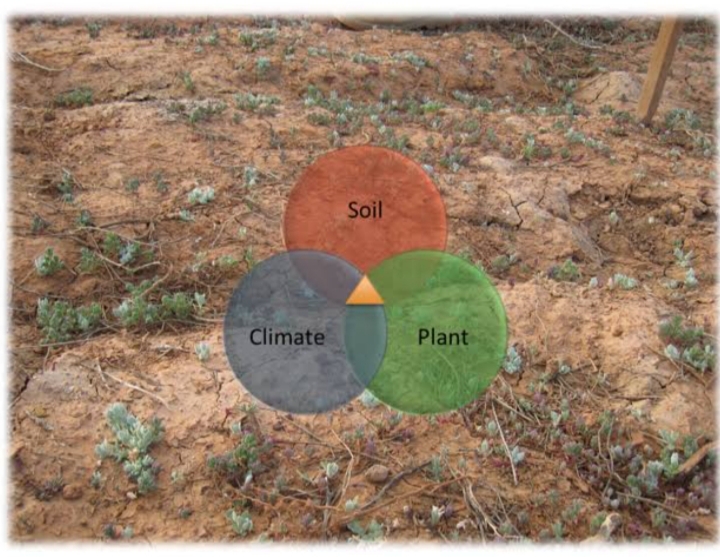
Salt-affected soils are a serious constraint in many farming areas, especially where irrigation is common or rainfall is low. When salts accumulate in the root zone, they make it harder for plants to absorb water and can even damage soil structure. In many cases, however, these soils can be restored with the right combination of techniques.
What the Problem Looks Like
There are two main types of salt-related soil issues:
- Saline soils: High levels of dissolved salts that reduce plant water uptake
- Sodic soils: Excess sodium that breaks down soil structure and makes soil compact and hard
Sodic conditions are often more damaging because they physically degrade the soil.
1. Flushing Salts Out of the Soil
One of the main solutions is leaching using good-quality water to push salts below the root zone.
This only works well when:
- There is sufficient irrigation water
- The soil has proper drainage
Without drainage, salts can simply accumulate elsewhere or return to the surface.
2. Fixing Drainage Problems
Effective drainage is essential for long-term recovery.
Methods include:
- Surface drainage channels
- Subsurface drainage systems
- Loosening compacted soil layers
Without proper water movement, salt removal becomes very difficult.
3. Adding Soil Amendments for Sodic Soils
In soils high in sodium, chemical amendments are often needed to restore balance.
Common options include:
- Gypsum (a calcium source)
- Other calcium-based materials
These help replace sodium with calcium, improving soil structure and allowing water to move through the soil more easily.
4. Increasing Organic Matter
Organic materials help improve soil health over time.
Benefits include:
- Better soil structure and aggregation
- Improved water infiltration
- Reduced surface crusting
- Enhanced microbial activity
Examples include compost, manure, and plant residues.
5. Growing Salt-Tolerant Crops
Some crops can survive better in salty conditions and are useful during recovery periods.
Examples include:
- Barley
- Cotton
- Sugar beet
- Certain date palm varieties
These crops help maintain productivity while the soil improves.
6. Improving Irrigation Practices
Poor irrigation often contributes to salinity buildup.
Better practices involve:
- Avoiding excess irrigation in poorly drained soils
- Using drip systems where possible
- Applying occasional deep irrigation to flush salts
- Monitoring water quality
7. Using Mulch to Reduce Evaporation
Mulching helps limit the upward movement of salts by reducing surface evaporation.
Advantages include:
- Lower salt accumulation at the surface
- Better moisture retention
- Reduced soil crusting
Organic mulch is especially effective in small-scale farming.
8. Long-Term Soil Care
Once improved, salt-affected soils need ongoing management to prevent relapse.
This includes:
- Regular soil testing
- Maintaining drainage systems
- Using good-quality irrigation water
- Practicing crop rotation
In Summary
Rehabilitating salt-affected soils requires more than just watering or washing them. It involves a combination of:
- Drainage improvement
- Salt leaching
- Chemical correction where needed
- Organic matter addition
- Smart water and crop management
Ultimately, the goal is to remove excess salts from the root zone and prevent them from building up again over time.