
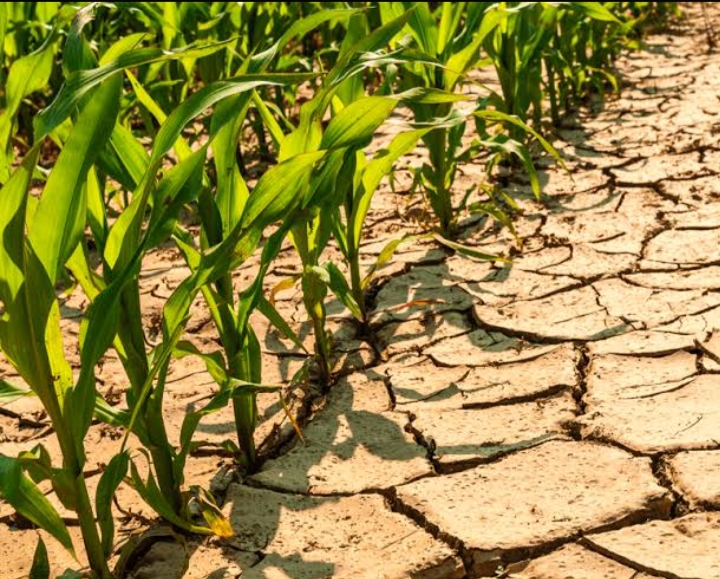
With climate change increasing the frequency of dry spells and water shortages, drought-resistant crop varieties are becoming essential in modern agriculture. These crops are specially developed to grow and produce yields even when water is limited, helping farmers deal with irregular rainfall, rising temperatures, and long periods of drought.
In many regions particularly in parts of Africa and other arid or semi-arid areas water scarcity has severely affected farming. Traditional crops often fail under prolonged dry conditions, resulting in reduced harvests, food shortages, and financial strain for rural households. Drought-tolerant crops help reduce these risks by improving plant survival under water stress.
These improved crop varieties are created through selective breeding and advanced agricultural science. Researchers identify plants that naturally perform better in dry conditions and enhance those traits, such as deeper root systems, improved water retention, and faster maturation. These characteristics are then used to develop stronger, more resilient crop strains.
Several key food crops now have drought-tolerant versions, including:
- Maize
- Rice
- Wheat
- Sorghum
- Millet
- Beans
- Cassava
In many African countries, drought-resistant maize has become particularly important because it is a staple food for millions of people. These improved varieties can withstand low rainfall while still producing better yields than traditional seeds.
A major advantage of these crops is improved food security. They help farmers maintain more reliable harvests even during unfavorable weather, reducing hunger and economic losses.
They also support better water conservation since they require less moisture to grow effectively. This makes them especially valuable in regions where water resources are already under pressure.
Some drought-resistant crops are additionally bred to resist pests, diseases, and heat stress, making them more suitable for increasingly unpredictable climate conditions.
However, these crops are not a complete fix for agricultural challenges. Farmers still need access to irrigation, good soil management, fertilizers, and agricultural training to achieve the best results. Without proper support, the full benefits of improved seeds may not be realized.
Cost and accessibility also remain challenges. Small-scale farmers in some areas may struggle to obtain high-quality seeds or the knowledge needed to use them effectively.
Despite these limitations, drought-resistant crops are widely seen as a crucial part of the future of farming. As climate change continues to affect weather patterns, these resilient varieties will play an important role in protecting food production.
Ongoing research and investment from governments and agricultural organizations are helping to develop even more adaptive and productive crops, aiming to strengthen global food systems in the face of environmental change.