
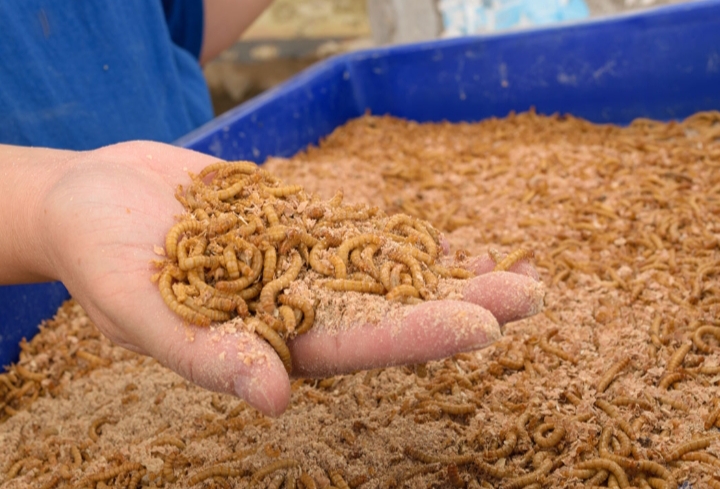
As the global population continues to grow and pressure on traditional livestock systems increases, the search for alternative protein sources has become more urgent. One of the most promising solutions is insect farming. Often overlooked in Western diets, insects are now gaining attention as a highly efficient, sustainable, and nutrient-rich source of protein for both humans and animal feed.
Why Insects?
Insects convert feed into protein far more efficiently than conventional livestock. Species such as crickets, black soldier fly larvae, and mealworms require significantly less land, water, and feed while producing high-quality protein.
Key advantages include:
- High protein content comparable to beef and fish
- Efficient feed conversion rates
- Low environmental footprint
- Fast reproduction cycles
- Ability to thrive on organic waste
These characteristics make insect farming an attractive option for addressing food security challenges.
Common Insect Species Used in Farming
Several insect species are already being farmed commercially around the world:
- Black Soldier Fly (Hermetia illucens): Widely used for animal feed production due to its ability to convert organic waste into protein-rich larvae.
- Crickets (Acheta domesticus): Popular for human consumption and protein powder production.
- Mealworms (Tenebrio molitor): Used in both human food products and animal feed.
Each species has unique advantages depending on the intended use and farming environment.
Applications of Insect Protein
Insect farming supports multiple industries:
- Animal feed: Poultry, fish, and pig feed increasingly incorporate insect protein as a sustainable alternative to soy and fishmeal.
- Human nutrition: Insect flour, protein bars, and snacks are gaining popularity in health-conscious markets.
- Agriculture: Insect waste (frass) serves as an organic fertilizer, improving soil health.
This versatility makes insect farming a circular and resource-efficient system.
Environmental Benefits
One of the strongest arguments for insect farming is its environmental sustainability. Compared to traditional livestock, insects produce:
- Far fewer greenhouse gas emissions
- Minimal land degradation
- Lower water consumption
- Reduced reliance on industrial feed crops
Additionally, many insect species can be reared on food waste, helping reduce organic waste streams and supporting circular economy models.
Economic Opportunities
Insect farming is also emerging as a viable business opportunity, especially in developing regions. It requires relatively low startup capital and can be operated at small or large scales.
Potential economic benefits include:
- Low production costs
- Quick production cycles (weeks instead of months)
- High demand in aquaculture and poultry industries
- Opportunities in export markets for protein powders and feed ingredients
As awareness grows, investment in insect-based businesses is increasing globally.
Challenges to Adoption
Despite its advantages, insect farming faces several challenges:
- Cultural resistance in societies where insect consumption is uncommon
- Regulatory gaps in food safety standards for insect products
- Limited consumer awareness about nutritional benefits
- Scaling difficulties for large commercial production systems
Addressing these challenges requires education, policy support, and technological innovation.
The Future of Protein Production
As food systems evolve, insect farming is expected to play a growing role in global nutrition. Research institutions and startups are developing improved breeding techniques, automated farming systems, and new food products to make insect protein more accessible and acceptable.
In the coming years, insects may not replace traditional livestock entirely, but they are likely to become an important complement especially in animal feed and sustainable food systems.
Conclusion
Insect farming represents a practical and environmentally friendly approach to meeting rising protein demand. By transforming organic waste into valuable nutrition, it offers a model that is both efficient and sustainable.
As global food security challenges intensify, insects may shift from being an overlooked resource to a mainstream component of the future protein economy.