
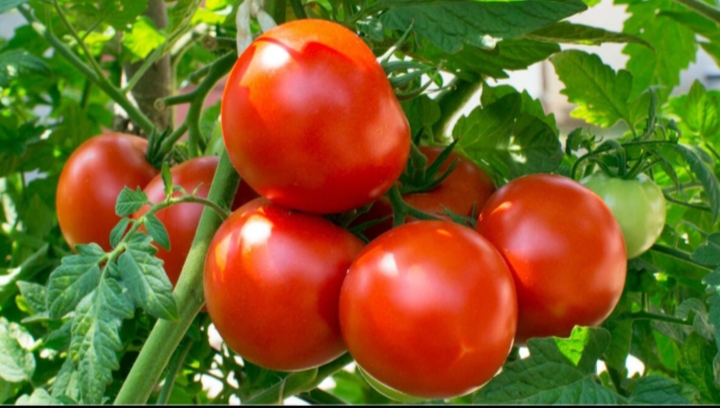
Healthy tomato production starts in the nursery. Many problems farmers face later like poor growth or low yields often begin with weak seedlings. Proper nursery practices give plants a strong foundation and improve overall performance in the field.
1. Use High-Quality Seeds
Always select certified, healthy seeds from trusted suppliers. Good-quality seeds ensure uniform germination and produce stronger seedlings.
2. Select a Suitable Location
Choose a site with good drainage, sufficient sunlight, and protection from harsh weather. Avoid areas where tomatoes or similar crops have been grown before to minimize disease risks.
3. Prepare Fertile Soil
Use light, well-drained soil enriched with compost or properly decomposed manure. Treating or sterilizing the soil can help remove harmful pests and pathogens.
4. Opt for Raised Beds or Trays
Planting in raised beds or containers improves drainage and root growth while making it easier to manage weeds and water.
5. Sow Seeds Correctly
Plant seeds in rows with adequate spacing to prevent overcrowding. Cover lightly with soil and water gently to support proper germination.
6. Water Moderately
Maintain consistent moisture without overwatering. Too much water can lead to diseases like Damping-off, which can destroy young plants.
7. Provide Adequate Shade
Protect seedlings from intense sunlight using shade materials such as nets or natural coverings. This helps prevent heat stress.
8. Monitor for Pests and Diseases
Check seedlings regularly and remove any affected plants quickly to stop the spread of infection.
9. Harden Seedlings Before Transplanting
Gradually expose seedlings to outdoor conditions and reduce watering about a week before transplanting. This helps them adjust and survive better in the field.
10. Transplant at the Proper Stage
Move seedlings when they are about 3–4 weeks old and have developed 4–6 true leaves and sturdy stems.
Conclusion
Strong, healthy seedlings are key to a productive tomato farm. By managing the nursery carefully, farmers can significantly improve plant health and increase yields.