
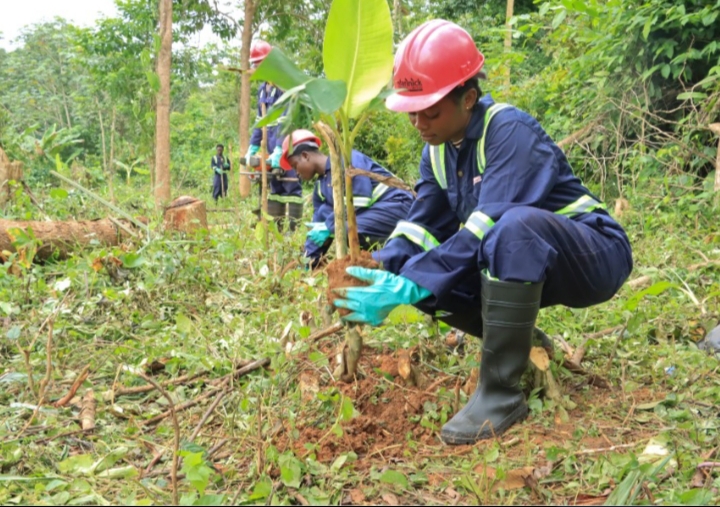
Cocoa farming is a major livelihood in many regions, especially in West Africa, but a large number of farms are aging and producing less than they used to. Instead of clearing these farms and starting over, rehabilitation provides a more practical way to restore their productivity, improve crop quality, and extend the life of existing trees.
What Does Cocoa Rehabilitation Mean?
Cocoa rehabilitation involves improving the condition of old or declining farms so they can become productive again. Rather than complete replanting, farmers apply specific methods to strengthen tree health, enrich the soil, and increase overall yield.
Why Cocoa Farms Lose Productivity
Over time, several issues contribute to declining output:
- Old trees: Cocoa trees tend to yield less after about 20–30 years.
- Pests and diseases: Infections such as Black Pod Disease and Cocoa Swollen Shoot Virus can severely damage crops.
- Nutrient depletion: Continuous farming without proper soil management reduces fertility.
- Poor farm practices: Lack of pruning and maintenance weakens the trees over time.
Methods for Rehabilitation
1. Pruning
Trimming away dead or overcrowded branches improves light exposure and airflow, which supports healthier growth.
2. Replacing Weak Trees
Unproductive trees are removed and substituted with improved, higher-yielding varieties.
3. Improving Soil Health
Using fertilizers or organic matter helps restore nutrients and boosts plant development.
4. Managing Pests and Diseases
Regular checks and timely treatment help prevent serious infestations and crop loss.
5. Controlling Shade
Providing the right amount of shade protects cocoa trees from harsh weather while supporting growth.
6. Regeneration Techniques
Cutting back old trees to encourage new shoots can help revive them without needing full replacement.
Advantages of Rehabilitation
- Higher yields without establishing entirely new farms
- Better quality cocoa beans
- Lower costs compared to replanting from scratch
- More sustainable use of land resources
Possible Challenges
- Limited funding for necessary inputs
- Inadequate access to expert guidance
- Time required before improvements become visible
Conclusion
Restoring old cocoa farms is an effective and sustainable way to improve productivity and farmer income. With the right practices and support, aging farms can once again become productive and profitable.