
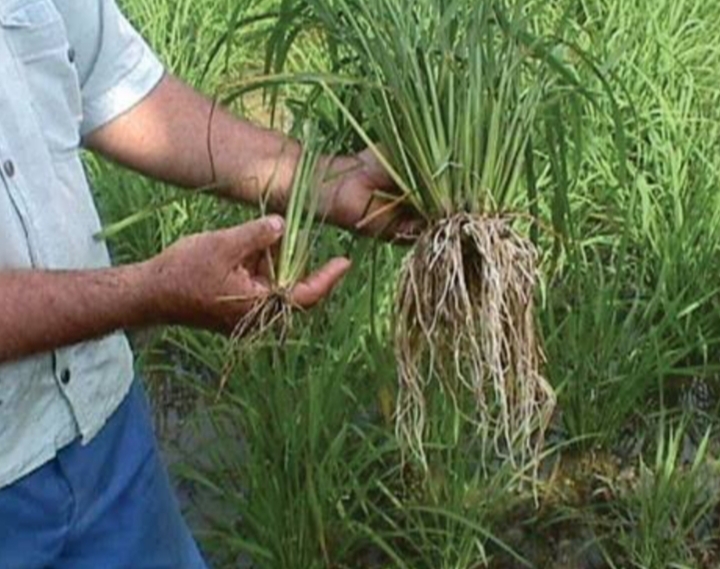
The System of Rice Intensification (SRI) is often described as a transformative approach to rice cultivation, particularly in regions dealing with water shortages, low productivity, and high farming costs. Instead of relying on new seed varieties or heavy chemical inputs, SRI focuses on changing cultivation techniques.
But how effective is it in practice?
How SRI Differs from Conventional Methods
SRI introduces a set of distinct practices:
- Transplanting very young seedlings
- Giving plants more space to grow
- Avoiding continuous flooding by keeping soil just moist
- Favoring organic fertilizers over synthetic ones
- Regularly aerating the soil through weeding
These methods are designed to promote stronger root development and healthier soil conditions, which can improve overall crop performance.
Yield Gains: Promising but Not Guaranteed
Many farmers using SRI report higher yields, often ranging between 20% and 50% compared to traditional systems. In some cases, production has even doubled.
However, these outcomes are not consistent everywhere. Results depend heavily on local conditions, farmer experience, and how carefully the techniques are applied. SRI can be highly effective but it requires proper execution.
Reduced Water Use
One of SRI’s most reliable benefits is water efficiency. Unlike conventional rice farming, which depends on flooded fields, SRI uses controlled irrigation.
This can cut water usage by roughly 25% to 50%, making it especially useful in areas facing water scarcity.
Lower Farming Costs
SRI can also reduce expenses:
- Fewer seeds are needed
- Chemical inputs are minimized
- Organic materials are used more frequently
For small-scale farmers, these savings can improve profit margins, even if yield increases are moderate.
Labor Demands
A key challenge with SRI is the increased labor requirement. Tasks like careful transplanting and manual weeding take more time and effort.
This can be a limitation in regions where labor is scarce or costly, though it may be less of an issue where labor is readily available.
Environmental and Soil Benefits
Over time, SRI practices can enhance soil quality by improving structure and boosting microbial activity. Healthier soil supports stronger crops and reduces environmental impact.
This gives SRI an advantage in terms of long-term sustainability.
Ongoing Debate
Despite positive reports, SRI is not without controversy. Some researchers question the consistency of its results and suggest that improvements may come from better farming practices overall rather than the method itself.
As a result, opinions remain divided. Most agree that SRI can be effective, but only under the right conditions and with proper management.
Conclusion
SRI is not a universal solution, but it offers clear potential.
Strengths:
- Significant water savings
- Lower input costs
- Improved soil health
- Potential for higher yields
Limitations:
- Labor-intensive
- Results vary by location
- Requires training and careful application
Final Insight
At its core, SRI is about maximizing output while using fewer resources. In an era of climate challenges and limited inputs, that approach is increasingly valuable.
For farmers willing to adopt and adapt the system, SRI can provide steady, meaningful improvements over time.