
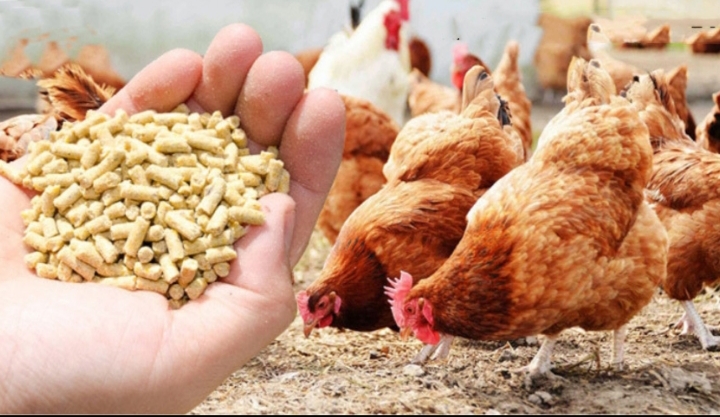
In poultry farming, feed expenses make up the largest share of total production costs often as high as 70%. For many farmers, particularly those operating on a small or medium scale, finding ways to reduce these costs without affecting bird performance is crucial. Low-cost feed formulation focuses on combining inexpensive, locally available ingredients while still meeting the nutritional needs of the birds.
Knowing the Nutritional Requirements
Effective feed formulation starts with understanding what poultry need to grow and remain productive. Key components include:
- Energy to support daily activity and growth
- Protein for body development and egg formation
- Vitamins and minerals for overall health and immunity
- Water for digestion and metabolic functions
These requirements differ depending on the type of birds (broilers or layers) and their stage of development.
Budget-Friendly Feed Ingredients
To keep costs low, farmers often rely on ingredients that are easily accessible in their region. Common options include:
- Maize for energy
- Processed cassava products as a cheaper carbohydrate source
- Wheat bran or rice bran for fiber and additional nutrients
- Soybean meal or groundnut cake for protein
- Fish meal for essential amino acids
- Palm kernel cake as an economical supplement
Using agricultural by-products helps lower expenses while making use of materials that might otherwise go to waste.
Example of a Simple Feed Mix (Broiler Starter)
A typical low-cost starter feed for broilers may include:
- Maize: about 50–55%
- Protein sources (soybean meal or groundnut cake): 20–25%
- Wheat bran: 10–15%
- Fish meal: 5–7%
- Bone meal or limestone: 2–3%
- Vitamin and mineral premix: 0.5–1%
- Salt: small quantity (around 0.2–0.3%)
This formula serves as a general guide and should be adjusted based on local ingredient quality and availability.
Ways to Reduce Feed Costs
Farmers can lower expenses further by adopting smart management practices:
- Buying ingredients during harvest seasons when prices are lower
- Using agro-industrial by-products like brewery waste
- Purchasing inputs in bulk
- Mixing feed on the farm instead of relying on commercial brands
- Storing feed properly to avoid spoilage and loss
Good management can significantly improve cost efficiency.
Maintaining Feed Quality
While reducing costs is important, maintaining feed quality is essential. Poorly formulated feed can result in:
- Reduced growth rates
- Lower egg production
- Increased risk of disease
- Higher mortality
Even affordable feed must provide the right nutrient balance to ensure healthy and productive birds.
Common Challenges
Low-cost feed formulation can present some difficulties:
- Inconsistent nutrient levels in local ingredients
- Risk of contamination from molds or toxins
- Limited technical knowledge or access to testing facilities
Seeking advice from agricultural experts can help farmers overcome these issues.
Innovations in Poultry Feeding
New approaches are helping make feed even more affordable and efficient:
- Incorporating insect-based protein sources
- Using fermented feed to improve digestion and nutrient uptake
- Applying digital tools to optimize feed formulation and cost management
These methods are improving both sustainability and productivity.
Final Thoughts
Affordable poultry feed formulation is a key strategy for improving profitability in poultry farming. By combining local resources with proper nutritional planning and efficient management, farmers can reduce costs while maintaining healthy flocks.
The aim is not just to spend less, but to build a reliable and sustainable feeding system that supports long-term success.