
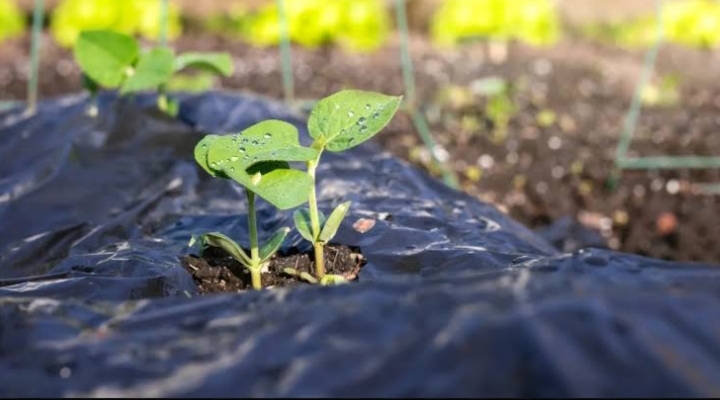
Plastic mulch is widely used in modern farming, especially in vegetable and fruit production. It involves placing thin plastic sheets over soil to improve growing conditions. While it is known for increasing crop yields and improving efficiency, it also raises serious environmental concerns due to the waste it generates.
This makes plastic mulch a practice with both clear benefits and significant drawbacks.
Why Farmers Rely on Plastic Mulch
Farmers use plastic mulch mainly because it improves crop growth and reduces farming challenges. By covering the soil, it helps conserve moisture, control weeds, and regulate soil temperature.
One major advantage is reduced water loss. The plastic layer slows evaporation, meaning crops need less irrigation an important benefit in dry regions.
It also warms the soil more quickly, which supports earlier planting and faster crop development in cooler climates. This can extend the growing season and improve productivity.
Another key benefit is weed suppression. Since sunlight cannot easily reach the soil, weed growth is reduced, lowering the need for herbicides and manual labor.
For many high-value crops like tomatoes, peppers, strawberries, and melons, plastic mulch often leads to better yields, improved quality, and higher income for farmers.
Increased Productivity and Profitability
From an economic point of view, plastic mulch can significantly improve farm returns. Many farmers experience higher yields per hectare, more consistent crop growth, and reduced production costs in some areas.
It also helps produce cleaner crops since fruits and vegetables are less exposed to soil, which can improve their market value.
Overall, it enhances efficiency and can make farming more profitable, especially in commercial agriculture.
The Environmental Downside: Plastic Waste
Despite its benefits, plastic mulch creates a major environmental problem once it is removed after harvest.
Most mulch films are very thin and difficult to recycle because they are often contaminated with soil, fertilizers, and chemicals. As a result, they are frequently discarded improperly, burned, or left in the fields.
Over time, leftover plastic fragments can break down into microplastics, which remain in the soil for long periods and are extremely difficult to remove.
This pollution can harm soil quality, affect water systems, and potentially enter the food chain through agricultural products.
Disposal and Recycling Difficulties
Managing used plastic mulch is a major challenge in many farming regions.
Collecting it is labor-intensive and expensive, especially after large-scale farming operations. Because of contamination, recycling is often not economically viable.
In some areas, farmers burn used plastic mulch, which contributes to air pollution and releases harmful gases.
Even where recycling systems exist, they are often limited and unable to handle the large volume of waste generated.
Balancing Benefits and Environmental Costs
Plastic mulch creates a clear trade-off: higher agricultural productivity versus long-term environmental damage.
While it helps improve yields, conserve water, and reduce herbicide use, it also contributes to plastic pollution and soil degradation.
This contradiction has made it a major topic in discussions about sustainable farming practices.
Searching for Better Alternatives
To reduce environmental harm, researchers and agribusinesses are developing more sustainable options.
Biodegradable mulch films made from natural materials such as starch-based compounds are gaining attention because they break down in the soil after use, reducing waste.
Some farmers also use organic mulching materials like straw, leaves, or compost. These are environmentally friendly but may not offer the same level of durability or weed control.
Reusable plastic mulch systems are another option, though they require more investment and careful handling.
The Future of Mulching Practices
Experts believe the future of plastic mulch will depend on balancing productivity with environmental protection.
Improved recycling systems, better waste collection methods, and wider use of biodegradable materials could reduce the environmental impact.
Government policies, farmer education, and technological innovation will all play important roles in encouraging more sustainable practices.
Conclusion
Plastic mulch is an effective farming tool that increases crop yields, improves efficiency, and supports higher farm incomes. However, it also creates a growing environmental challenge due to plastic waste accumulation and soil contamination.
The real issue is not its effectiveness, but how to manage its environmental impact responsibly.
Moving forward, sustainable agriculture will require solutions that maintain productivity while reducing plastic pollution and protecting long-term soil health.