
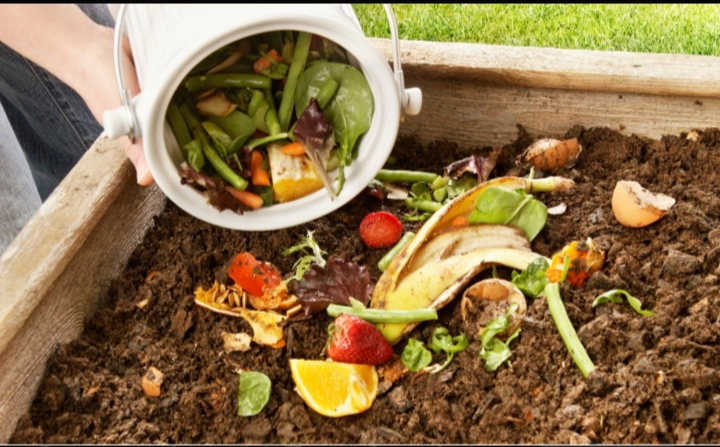
Composting kitchen waste is a practical and eco-friendly way to reduce household trash while producing natural fertilizer for plants. Instead of discarding food leftovers, they can be allowed to break down naturally and transform into compost, a nutrient-rich material that improves soil quality and supports plant growth.
This method is increasingly used in homes and communities because it reduces waste, lowers environmental pollution, and supports gardening and farming activities.
What Is Kitchen Waste Composting?
Kitchen waste composting is the natural process of decomposing organic food materials such as vegetable peels, fruit scraps, and other biodegradable leftovers. Microorganisms break down these materials over time, producing compost that looks and feels like dark, fertile soil.
Materials That Can Be Composted
Common kitchen items suitable for composting include:
- Fruit and vegetable scraps
- Eggshells
- Coffee grounds and paper filters
- Tea bags (plastic-free)
- Leftover grains in small amounts
- Bread and cereal leftovers
- Herb stems
These materials decompose easily and help enrich the compost with nutrients.
Items to Avoid in Compost
Some kitchen waste should not be added because it can cause odors, attract pests, or slow decomposition. These include:
- Meat and fish products
- Dairy foods
- Greasy or oily foods
- Highly processed items
- Plastic or synthetic materials
Avoiding these helps maintain a clean and effective compost system.
How Composting Works
Composting happens through natural breakdown by microorganisms like bacteria and fungi. For the process to work well, four key elements are needed:
- Green materials: fresh kitchen waste rich in nitrogen
- Brown materials: dry items such as leaves, cardboard, or paper that provide carbon
- Air: helps speed up decomposition
- Moisture: keeps the process active without making it too wet
A proper balance of these elements ensures efficient compost production.
Easy Methods of Composting Kitchen Waste
Backyard Composting
This involves placing kitchen waste in a compost bin or pit outdoors, where it slowly decomposes over time when mixed with dry materials.
Indoor or Container Composting
For people with limited space, composting can be done in buckets or containers kept in kitchens, balconies, or small outdoor areas.
Worm Composting (Vermicomposting)
This method uses worms to break down food scraps quickly, producing highly nutrient-rich compost known as worm castings.
Benefits of Composting Kitchen Waste
Reduces Waste
Composting significantly lowers the amount of organic waste sent to landfills.
Improves Soil Health
The resulting compost enriches soil with nutrients, improves structure, and enhances moisture retention.
Cost-Effective
It reduces the need to buy chemical fertilizers or soil enhancers.
Environmentally Friendly
Composting helps reduce landfill emissions and supports sustainable waste management practices.
Common Mistakes to Avoid
- Adding too many wet scraps without dry materials
- Poor airflow in the compost system
- Overwatering the mixture
- Including non-compostable waste
- Not mixing or turning the compost regularly
These errors can slow down the process or cause unpleasant smells.
Conclusion
Composting kitchen waste is a simple and effective way to convert everyday food scraps into valuable fertilizer. By reusing organic waste, households can reduce pollution, improve soil fertility, and support a more sustainable environment. With the right balance and regular care, composting becomes an easy habit with long-term benefits.