
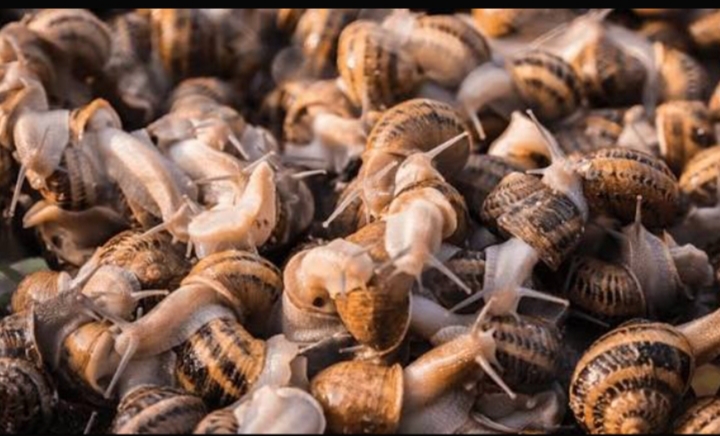
Snail farming, commonly called heliciculture, is becoming one of the most profitable agricultural businesses in 2026. What was once viewed as a small rural activity has now developed into a growing industry attracting farmers, investors, and young entrepreneurs. The increasing demand for healthy food, eco-friendly farming methods, and export opportunities has played a major role in the industry’s expansion.
Across Africa, Europe, and parts of Asia, more people are investing in snail farming because it requires relatively low capital, offers strong profit potential, and supports sustainable agriculture.
Growing Demand for Snail Products
One major reason for the rapid growth of snail farming is the rising global demand for snail meat and other snail-based products. The market for edible snails continues to expand as more consumers seek healthier protein options.
Snails are valued because they are:
- High in protein
- Low in fat
- Rich in minerals such as iron and calcium
- Considered healthier than many traditional meats
As awareness of healthy eating increases, more consumers are turning to alternative protein sources like snails.
A More Sustainable Form of Farming
Sustainability has become a key issue in modern agriculture, and snail farming is considered environmentally friendly compared to many other livestock businesses.
Snail farming requires:
- Less land
- Smaller amounts of water
- Lower feeding expenses
- Minimal environmental pollution
In addition, snails produce fewer greenhouse gas emissions than larger livestock animals, making them attractive to environmentally conscious farmers and consumers.
Low Capital Requirement and Easy Maintenance
Another reason snail farming is becoming popular is its affordability. Unlike poultry or cattle farming, snail farming can be started with limited funds and small spaces.
Advantages include:
- Affordable startup costs
- Simple management
- Low mortality rates
- Quiet and odor-free environments
Farmers can begin with small backyard pens and gradually expand as production increases.
Expanding Export Opportunities
International demand for snails continues to grow, especially in European countries where snails are considered a delicacy. Nations such as France, Spain, and Italy import large quantities of edible snails every year.
Countries like Nigeria are benefiting from this demand by supplying snails to foreign markets, including the United Kingdom and the United States. Improved storage and transportation systems are also making exports easier and more profitable for farmers.
Snail Slime Is Increasing Cosmetic Demand
The cosmetic industry has also contributed to the growth of snail farming. Snail slime, also known as snail mucin, is now widely used in skincare products because of its skin-repair and anti-aging properties.
Snail-based ingredients are commonly found in:
- Face creams
- Serums
- Moisturizers
- Skin treatment products
This has created additional income opportunities for snail farmers beyond meat production.
Government and Industry Encouragement
Agricultural organizations and industry experts are encouraging investment in snail farming because of its economic potential. Many believe the business can help create employment, improve food supply, and support rural development.
Some governments and agricultural groups are also promoting training programs and policies designed to help farmers expand production and access international markets.
Technological Improvements in Farming
Modern technology is helping farmers improve snail production and management. In 2026, many farmers now use:
- Controlled breeding systems
- Greenhouse farming methods
- Moisture control tools
- Better feeding techniques
These improvements help increase productivity, reduce losses, and support large-scale farming operations.
Why Young Entrepreneurs Are Joining the Industry
Young people are increasingly interested in snail farming because it offers flexibility and good earning potential without requiring massive investments.
The business:
- Can be managed alongside other jobs
- Requires less physical labor
- Has growing market demand
- Offers long-term profit opportunities
Social media and online training platforms have also made it easier for beginners to learn about the business and start small-scale farms.
Challenges Facing Snail Farming
Despite its rapid growth, the industry still faces several challenges, including:
- Limited access to export licenses
- Poor storage systems
- Weather-related difficulties
- Lack of technical knowledge in some areas
However, experts believe these issues can be reduced through better training, improved infrastructure, and increased investment.
Conclusion
Snail farming is experiencing major growth in 2026 due to increasing global demand, interest in sustainable agriculture, expanding export markets, and rising cosmetic industry use of snail products. Its low startup cost and strong profit potential make it attractive to both small-scale and commercial farmers.
As technology improves and awareness continues to grow, snail farming is expected to remain one of the most promising agricultural businesses in the future. For entrepreneurs searching for a sustainable and profitable venture, heliciculture presents valuable opportunities for long-term success.