
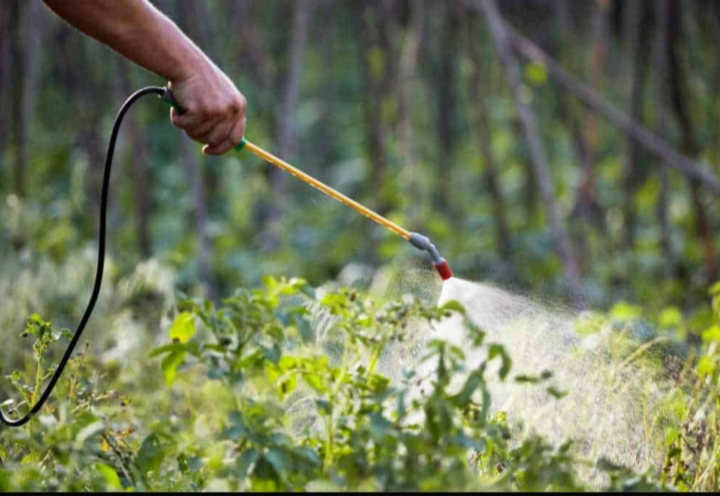
Termites are one of the most harmful agricultural pests, capable of causing serious damage to crops, farm structures, and young plants. Their activity often increases during dry periods when they search for food and moisture.
Managing termites successfully requires a combination of prevention, monitoring, and treatment strategies rather than relying on a single control method.
How Termites Affect Farms
Termites can damage farms in several ways, including:
- Feeding on plant roots and stems
- Destroying seedlings
- Weakening trees and crops
- Damaging wooden fences, barns, and poles
- Reducing crop productivity
- Attacking irrigation materials
Crops commonly affected include:
- Maize
- Cassava
- Rice
- Groundnuts
- Sugarcane
- Vegetables
- Fruit and tree crops
If not controlled early, termite infestations can lead to major financial losses for farmers.
Common Signs of Termite Activity
Farmers should inspect their fields regularly for signs such as:
- Mud tunnels on plants or wood
- Drying or wilting crops
- Hollow roots or stems
- Presence of termite mounds
- Damaged wooden structures
- Sudden death of seedlings
Identifying infestations early helps prevent widespread damage.
Conditions That Encourage Termites
Certain farm conditions make termite infestations more likely, including:
- Dry soil
- Excess plant residue
- Dead trees and wood
- Poor sanitation practices
- Untreated termite mounds
- Continuous planting of the same crops
Farms with large amounts of decaying organic matter tend to attract termites more easily.
Effective Ways to Control Termites
1. Remove and Destroy Termite Mounds
Eliminating termite hills is one of the most effective control measures.
This can involve:
- Digging up the mound
- Destroying the queen chamber
- Flooding the nest
- Applying suitable pesticides
If the queen remains alive, the colony can quickly recover.
2. Maintain Farm Cleanliness
Good farm hygiene helps reduce termite breeding areas.
Farmers should:
- Remove dead wood and stumps
- Clear leftover crop materials
- Dispose of decaying waste properly
- Keep storage areas clean and dry
A well-maintained farm is less attractive to termites.
3. Use Natural Control Methods
Organic solutions can help manage termites while protecting soil quality.
Examples include:
- Neem-based treatments
- Wood ash
- Lime application
- Cow dung mixtures
- Citrus or orange oil solutions
These methods are environmentally friendly and safer for beneficial organisms.
4. Apply Chemical Treatments When Necessary
Severe infestations may require chemical control.
Common termiticides used in agriculture include:
- Chlorpyrifos
- Fipronil
- Imidacloprid
These chemicals are typically applied:
- Around crop roots
- Inside termite holes
- Along farm borders
Farmers should always follow recommended safety instructions when using pesticides.
5. Practice Crop Rotation
Planting the same crop repeatedly can increase termite problems.
Crop rotation helps:
- Interrupt termite activity
- Improve soil fertility
- Reduce overall pest pressure
Rotating with legumes is often beneficial in many farming systems.
6. Improve Soil Moisture Levels
Termites are more active in dry conditions.
Farmers can reduce termite attacks by maintaining soil moisture through:
- Irrigation
- Mulching
- Cover crops
- Organic manure application
Healthy, moist soil creates less favorable conditions for termites.
7. Choose Resistant Crop Varieties
Some crop varieties can better withstand termite attacks.
Farmers should seek advice from agricultural extension officers or local experts on resistant varieties suitable for their area.
Biological Methods of Control
Biological control is becoming increasingly important in sustainable farming.
Natural termite enemies include:
- Ants
- Birds
- Frogs
- Beneficial fungi and nematodes
Some farmers use fungi like Metarhizium anisopliae to naturally infect and kill termite colonies.
Preventing Future Infestations
Long-term termite prevention depends on consistent farm management.
Prevention measures include:
- Frequent field inspection
- Early destruction of termite mounds
- Proper moisture management
- Crop rotation
- Removing unused wood
- Using treated timber for farm structures
Preventive measures are usually more effective and less expensive than repeated treatments.
The Best Strategy for Farmers
The most successful termite management approach combines:
- Proper sanitation
- Biological control
- Soil moisture management
- Careful use of chemicals when needed
This integrated method protects crops while maintaining soil health and environmental balance.
Conclusion
Termites can cause serious damage to agricultural production if ignored. However, with proper monitoring, sanitation, and integrated pest control practices, farmers can effectively manage infestations and reduce losses.
Consistent farm maintenance and early action remain the best ways to prevent severe termite problems and protect long-term productivity.