
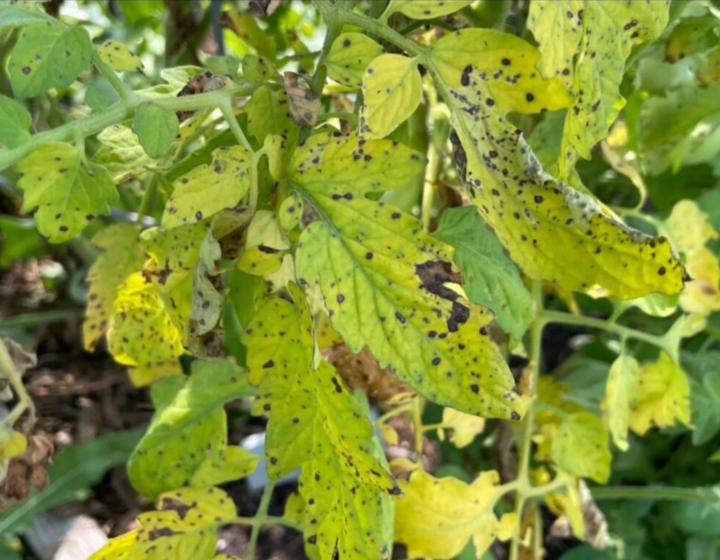
Humid conditions provide the perfect environment for fungal diseases to develop and spread quickly in farms, gardens, and crop fields. High moisture levels, warm temperatures, and poor ventilation encourage fungal spores to grow rapidly and infect plants.
If not properly managed, these diseases can reduce crop quality, decrease yields, and lead to serious financial losses for farmers.
Why Humid Conditions Promote Fungal Growth
Fungi grow best in environments with:
- Excess moisture
- High humidity
- Frequent rainfall
- Warm temperatures
- Poor airflow
When leaves and soil remain wet for long periods, fungal spores can easily germinate and spread from one plant to another.
During rainy or humid seasons, crops become more vulnerable because moisture remains trapped around plants.
Common Fungal Diseases in Humid Weather
1. Powdery Mildew
Powdery mildew appears as a white, dusty coating on leaves and stems.
Crops commonly affected:
- Tomatoes
- Cucumbers
- Peppers
- Grapes
- Mangoes
Symptoms include:
- White powder-like patches
- Yellowing leaves
- Weak plant growth
- Early leaf drop
2. Downy Mildew
Downy mildew develops mostly in cool and damp conditions.
Common signs:
- Yellow leaf spots
- Mold growth beneath leaves
- Curled leaves
- Rapid decline of plants
It often affects:
- Vegetables
- Onions
- Maize
- Cucurbit crops
3. Leaf Spot Diseases
Leaf spot fungi create brown or black spots on plant leaves.
Effects include:
- Reduced photosynthesis
- Poor plant development
- Premature leaf fall
These diseases spread rapidly during wet and humid periods.
4. Rust Diseases
Rust fungi produce reddish, orange, or brown patches on leaves.
Frequently affected crops:
- Wheat
- Beans
- Coffee
- Maize
Heavy infections can greatly reduce harvest yields.
5. Anthracnose
Anthracnose thrives in warm, rainy weather.
Symptoms:
- Dark sunken spots
- Fruit decay
- Stem damage
- Leaf blight
Commonly affected crops include:
- Mangoes
- Peppers
- Tomatoes
- Avocados
6. Root Rot
Excess moisture can also cause fungal root rot.
Signs include:
- Wilting plants
- Yellow leaves
- Blackened or soft roots
- Slow growth
Poor drainage increases the likelihood of root infections.
How Fungal Diseases Spread
Fungal spores can spread through:
- Wind
- Rain splash
- Irrigation water
- Contaminated soil
- Infected seeds
- Unclean farming tools
High humidity allows spores to survive and spread more easily.
Methods for Preventing and Controlling Fungal Diseases
1. Improve Ventilation Around Plants
Proper airflow helps reduce excess moisture around crops.
Farmers can improve air circulation by:
- Spacing plants properly
- Pruning overcrowded branches
- Removing weeds
- Reducing excessive shade
Dry leaves are less likely to become infected.
2. Prevent Excess Watering
Overwatering creates ideal conditions for fungal growth.
Helpful practices include:
- Watering in the morning
- Avoiding water on leaves
- Using drip irrigation systems
This allows plants to dry more quickly during the day.
3. Remove Diseased Plant Parts
Infected leaves, stems, and fruits should be removed immediately to stop the spread of disease.
Affected materials should be:
- Burned
- Buried
- Properly discarded
4. Use Fungicides Responsibly
Fungicides may be necessary during severe outbreaks.
Common products include:
- Copper-based fungicides
- Mancozeb
- Sulfur sprays
- Chlorothalonil
Farmers should always follow recommended usage instructions and safety measures.
5. Practice Crop Rotation
Growing the same crops repeatedly can increase fungal buildup in the soil.
Crop rotation helps:
- Interrupt fungal life cycles
- Improve soil condition
- Reduce disease pressure naturally
6. Plant Resistant Crop Varieties
Certain crop varieties are more resistant to fungal infections.
Using resistant seeds can help reduce disease damage during humid seasons.
7. Maintain Good Farm Hygiene
Clean farming practices help limit fungal spread.
Important sanitation measures include:
- Cleaning tools regularly
- Removing crop waste
- Controlling weeds
- Using healthy planting materials
Organic Ways to Manage Fungal Diseases
Farmers practicing organic agriculture can use natural treatments such as:
- Neem oil
- Baking soda solutions
- Garlic extract
- Compost tea
- Biological fungicides
These options help manage fungi while protecting beneficial organisms and soil health.
Importance of Early Detection
Early identification is essential for effective disease control.
Farmers should inspect crops frequently for:
- Mold growth
- Leaf spots
- Wilting
- Discoloration
- Rotting roots or fruits
Treating infections early helps prevent large-scale outbreaks.
Conclusion
Humid weather creates favorable conditions for fungal diseases that can seriously affect agricultural production. However, with proper management practices such as sanitation, ventilation, early monitoring, resistant crop varieties, and appropriate treatments, farmers can successfully reduce the impact of fungal infections.
Combining preventive measures with timely control methods remains the best strategy for protecting crops during humid conditions.