
Introduction
Swamp rice farming refers to the cultivation of rice in naturally waterlogged areas such as wetlands, floodplains, and swamps. In Bayelsa State, this type of farming is especially important because most of the land is low-lying and regularly flooded, making it more suitable for rice than many other crops.
Why swamp rice farming is common in Bayelsa
Bayelsa has a tropical riverine environment with heavy rainfall and extensive wetlands. These conditions create natural water supply for rice cultivation. Instead of seeing the swampy terrain as a limitation, farmers use it as an advantage for growing rice.
Types of swamp rice farming in Bayelsa
1. Freshwater swamp rice farming
This is practiced in inland wetlands where water is not salty. Farmers cultivate rice in naturally flooded fields and manage water levels using simple barriers and drainage channels.
2. Mangrove swamp rice farming
This is found in coastal areas where saltwater intrusion is common. Farmers reclaim parts of mangrove swamps and build embankments to reduce salt impact and control flooding.
Basic farming process
- Clearing swamp vegetation and preparing the land
- Constructing bunds to control water flow
- Raising seedlings in nurseries
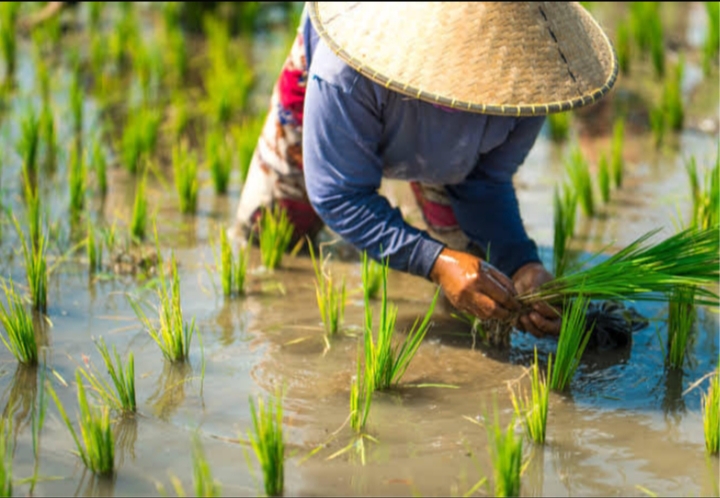
- Transplanting seedlings into flooded fields
- Applying fertilizer and removing weeds
- Harvesting after a few months depending on variety
Common rice varieties
Farmers often use improved Nigerian rice varieties such as FARO types, which are adapted to wetland conditions and mature relatively quickly.
Benefits of swamp rice farming
Swamp rice farming in Bayelsa supports food production, creates jobs, and reduces dependence on imported rice. It also provides livelihoods in rural communities where other types of farming are difficult due to flooding.
Challenges faced by farmers
Despite its potential, farmers experience problems such as:
- Excessive flooding that destroys crops
- Pest and bird attacks on rice fields
- Poor transportation due to riverine terrain
- Lack of rice processing and storage facilities
- Soil salinity in coastal areas
Conclusion
Swamp rice farming remains a key agricultural opportunity in Bayelsa State. With better infrastructure, improved seedlings, and support services, it can significantly boost food production and strengthen rural livelihoods in the region.